
Uncovering the root causes behind the latest ambush on Niger’s critical transport route
The Agadez-Arlit highway, a vital lifeline in northern Niger, has once again become the scene of a violent assault. On October 20, 2026, armed assailants targeted passenger buses near Agadez, leaving at least 11 dead—10 civilians and one security forces member—and several others wounded. The sheer brutality of the attack has left the nation questioning the forces at play behind this escalating violence.
The highway’s strategic importance and rising insecurity
Niger’s Agadez-Arlit road is more than just a transport corridor; it’s a vital economic artery linking Agadez, a historic Saharan trade hub, to Arlit, a mining town critical to the region’s commerce. For locals, this route is essential for accessing services, visiting family, and sustaining livelihoods. Yet, its strategic significance makes it a frequent target for criminal and militant groups operating in the vast, sparsely patrolled Sahara.
When a transport vehicle becomes the focal point of such violence, the ripple effects are immediate and far-reaching. Families endure anxiety and grief, operators hesitate to run scheduled routes, and commuters face agonizing choices about when—or whether—to travel. The economic impact is equally severe, as disrupted trade and inflated transport costs strain an already fragile regional economy.
Why passenger buses remain vulnerable
Unlike military convoys or heavily guarded supply trucks, civilian buses are soft targets. The lack of robust security measures for these vehicles makes them easy prey for armed groups seeking to instill fear, disrupt travel, or extort funds. The involvement of military personnel in this attack—if confirmed—raises troubling questions about the adequacy of protection for civilians using this route.
The operational challenges plaguing Niger’s security response
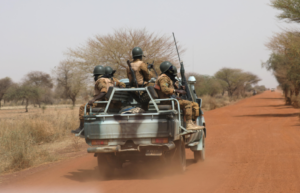
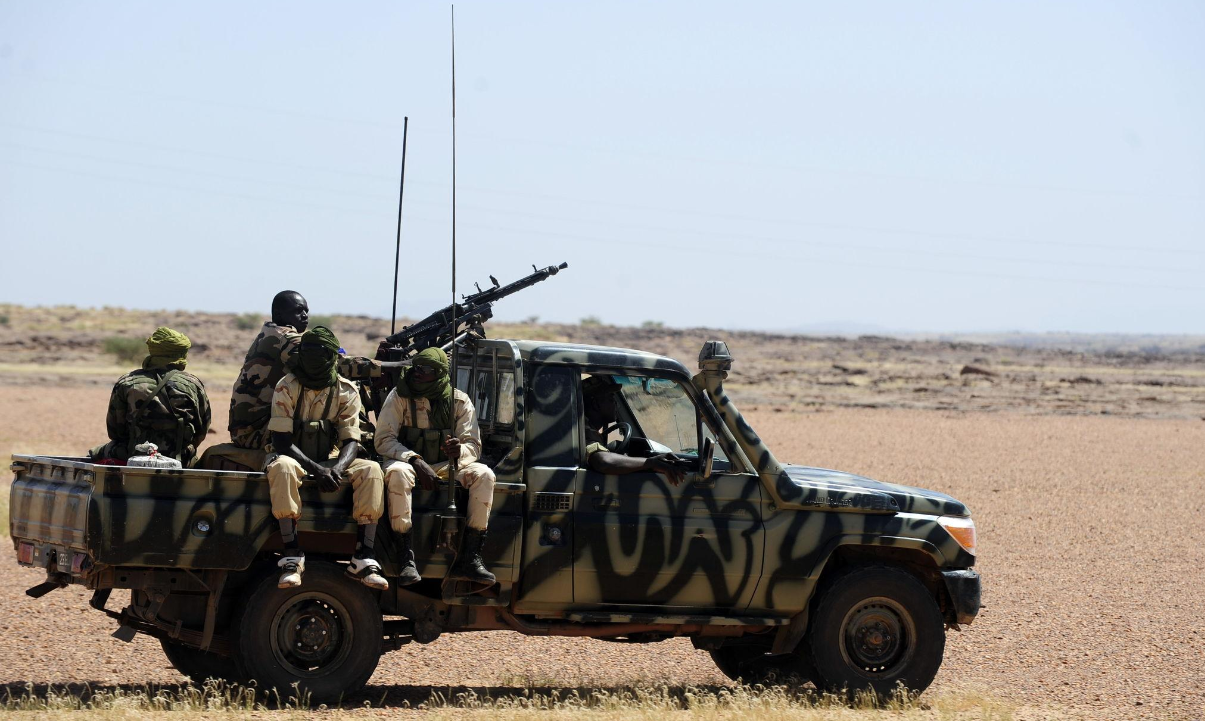
The Sahara’s vastness, with its endless stretches and sparse population centers, presents a monumental challenge for security forces. Monitoring secondary roads and remote stretches of the Agadez-Arlit corridor is inherently difficult, leaving gaps that armed groups exploit. The incident underscores the urgent need for enhanced surveillance, rapid-response capabilities, and coordinated efforts between local authorities, transport operators, and security agencies.
Moreover, the ambiguity surrounding this attack—no confirmed identities of attackers, motivations, or official claims—highlights the importance of transparent communication. Authorities must swiftly verify facts, share credible updates, and reassure the public to prevent misinformation from deepening the crisis.
Humanitarian toll and the call for accountability
Behind the statistics are real lives shattered by this violence. Survivors grapple with physical and psychological trauma, while grieving families demand answers. The lack of timely, verified information only compounds their suffering, turning uncertainty into another form of punishment.
As investigations unfold, the priorities are clear: identify the victims, confirm the death toll, determine responsibility, and establish a transparent process for justice. The families of those lost deserve nothing less than the truth. Meanwhile, the broader question looms large—how can Niger protect its civilians when the very roads meant to connect them become battlegrounds?
Navigating the road ahead: balancing security and mobility
For a region where alternative transport options are scarce, the collapse of safety on major routes like Agadez-Arlit has devastating consequences. The government must act decisively to restore confidence among travelers and traders alike. Potential measures could include:
- Enhanced escort protocols: Mandating armed escorts for passenger buses on high-risk routes, with clear coordination between transport operators and security forces.
- Community-based early warning systems: Leveraging local networks to report suspicious activity before attacks occur.
- Public awareness campaigns: Educating travelers on safety measures and available emergency resources.
- Streamlined crisis response: Ensuring rapid evacuation and medical care for victims, alongside psychological support for affected families.
The path forward demands a multi-pronged approach—one that addresses both immediate security gaps and the deeper vulnerabilities fueling instability. Without it, the Agadez-Arlit highway will remain a symbol of terror rather than a road to opportunity.
Will Niger’s transport corridors ever be safe again?
The latest attack is a grim reminder of the human cost when security fails. For the people of northern Niger, the question isn’t just about rebuilding trust—it’s about reclaiming their right to move freely without fear. Until then, every journey along the Agadez-Arlit road carries the weight of uncertainty, a stark testament to the challenges of navigating survival in an increasingly perilous landscape.