
The $17.6 million transfer from the Democratic Republic of Congo (DRC) to a Texas-based defense contractor has triggered a wave of scrutiny in Washington, exposing a tangled web of financial flows, cultural funding controversies, and political allegiances. At the heart of the debate is Richard Grenell, a prominent Trump ally and former ambassador, whose name has surfaced in connection with alleged irregularities surrounding the transaction. While the full picture remains obscured, the opaque nature of the payment—its origin, purpose, and intended recipients—has raised serious questions about transparency and accountability.
How a Congo-funded transfer became a flashpoint in Washington
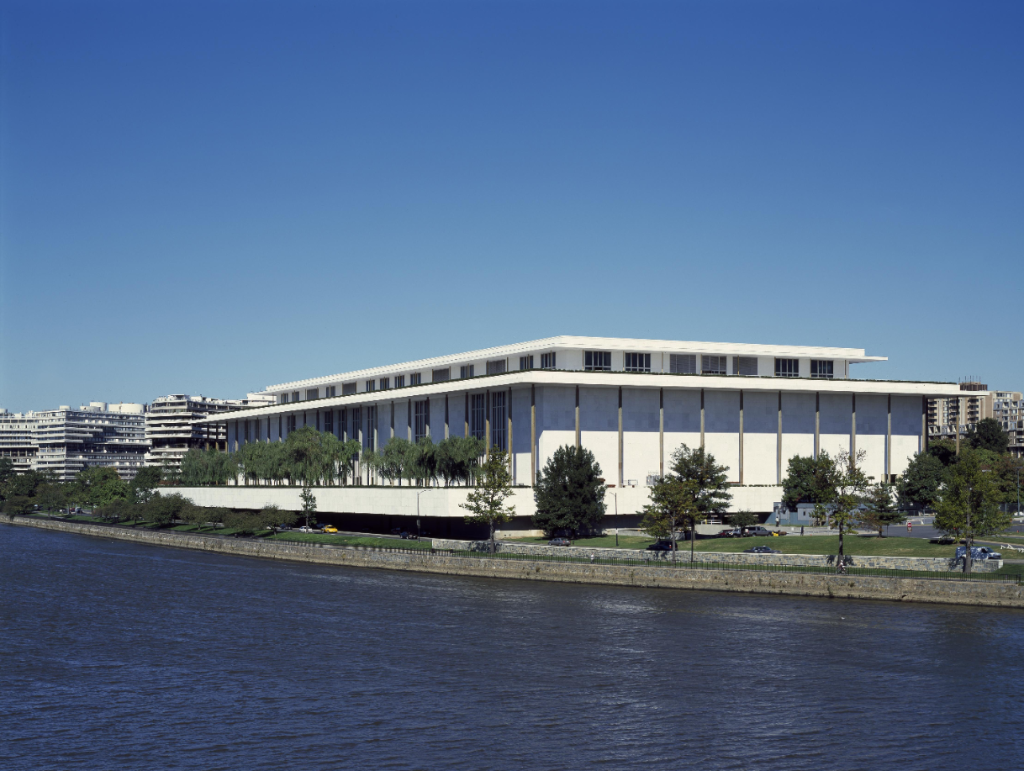
In May 2025, 17.6 million dollars moved from a Congolese government account to Texas Armament & Technology (TX-AT), a defense firm with no prior public ties to the African nation. The transaction, initially framed as a routine financial transfer, quickly evolved into a political controversy when reports suggested that part of the funds—approximately $5.6 million—was earmarked for Washington’s Kennedy Center, a cultural institution Grenell oversaw at the time. The alleged deviation of these cultural funds, combined with the lack of documentation confirming the donation, has cast doubt on the legitimacy of the entire transaction.
Public scrutiny intensified after figures close to Donald Trump flagged the discrepancies. Among them was Alina Habba, the former personal attorney of the former president, who argued that the misaligned transfer violated the intended allocation of the funds. The absence of receipts or official records from the Kennedy Center further fueled skepticism, leaving critics to question whether the cultural institution ever received the money—or if it was redirected elsewhere for less transparent purposes.
Grenell denies wrongdoing amid mounting allegations
As the controversy deepened, Richard Grenell, a key figure in Trump’s inner circle, faced mounting pressure to explain his role in the affair. Reports cited an unverified message attributed to him, which allegedly suggested that donors who contributed to the Kennedy Center would gain privileged access to Trump and exclusive VIP events. Grenell has vehemently denied these claims, insisting that he never solicited or authorized the diversion of funds. Despite his denials, the allegations have cast a shadow over his reputation, particularly given his history of close ties to the former president’s administration.
While no definitive evidence of wrongdoing has been presented, the White House’s decision to scrutinize the transfer underscores its sensitivity. The involvement of a high-profile political figure like Grenell, coupled with the use of Congolese public funds, has transformed a routine financial transaction into a matter of national interest. Investigators are now examining whether the payment was justified, who authorized it, and whether it aligned with the stated purpose of supporting cultural initiatives.
DRC’s role in the saga: a missing link in the financial trail
For the DRC, the transaction raises critical questions about the management of its public resources. If the funds originated from a government account, as reports suggest, why were they directed to a U.S. defense contractor? What contractual basis justified the transfer, and what benefits did the Congolese state receive in return? These unanswered questions highlight broader concerns about the transparency of international financial transfers involving African nations, particularly when such transactions intersect with the political interests of foreign governments.
The case takes on added complexity due to the business interests of Turhan Mildon, an entrepreneur with significant investments in the DRC. Mildon, whose ventures span infrastructure and other sectors, has drawn attention as a potential intermediary in the transaction. While his financial activities in the country do not directly implicate him in wrongdoing, they provide crucial context for understanding the economic relationships at play. The absence of clear contractual documents and official authorizations from Congolese authorities further complicates efforts to trace the funds’ intended destination.
At its core, this story is about more than just a single payment. It reflects deeper issues of governance, accountability, and the intersection of public funds with private financial interests. For the DRC, where scrutiny of resource management is intense, the lack of transparency in this transfer sets a troubling precedent. Without verifiable documentation, it becomes nearly impossible to distinguish between legitimate commercial transactions and covert financial maneuvers.
Transparency as the litmus test for Kinshasa
The fallout from the 17.6 million dollar transfer serves as a stark reminder of the importance of robust financial oversight in the DRC. Public funds, particularly those routed overseas, must be accompanied by clear documentation, authorized approvals, and measurable returns on investment. When these safeguards are absent, the door is left wide open for misconduct, whether intentional or accidental.
Should investigations uncover irregularities, the responsibility will lie with the relevant authorities to determine the extent of any wrongdoing and its legal consequences. For now, however, the case remains shrouded in uncertainty. The lack of conclusive evidence means no individual or entity can be definitively linked to a breach of trust. Yet the questions persist: Who approved the transfer? Why was TX-AT chosen as the recipient? And most importantly, where did the missing 5.6 million dollars designated for the Kennedy Center ultimately go?
The answers may never fully surface, but the controversy itself has already underscored the need for greater scrutiny over cross-border financial flows. In an era where global transactions are increasingly scrutinized, opacity only serves to erode trust between nations—and between citizens and their governments.
What’s next for the investigation?
As the White House and other agencies continue their review, the 17.6 million dollar transfer remains a work in progress. The focus now shifts to the documentation: banking records, contractual agreements, and administrative approvals that could reveal the true nature of the transaction. If the funds were indeed misappropriated, the fallout could extend beyond the DRC and Texas, reaching deep into the corridors of power in Washington. Conversely, if the transfer was above board, the case could highlight systemic weaknesses in financial oversight that demand urgent reform.
What is clear is that the story of these funds is far from over. Behind the headlines and political posturing lies a fundamental question: How do we ensure that public money, wherever it is spent, is used for its intended purpose? The DRC’s 17.6 million dollar transfer may be a single data point in a larger financial landscape, but it serves as a cautionary tale about the dangers of unchecked transactions—and the high cost of financial secrecy.