
The military regimes in Mali, Burkina Faso, and Niger gambled their legitimacy on severing ties with former Western allies, promising a new era of self-reliance. Yet, as the Africa Corps—Russia’s rebranded Wagner contingent—takes root, a harsh reality emerges: the cost of this alliance far exceeds the price of freedom. What are the hidden financial, human, and strategic debts accumulating in the Sahel?
The Myth of Sovereignty: A Promise Built on Sand
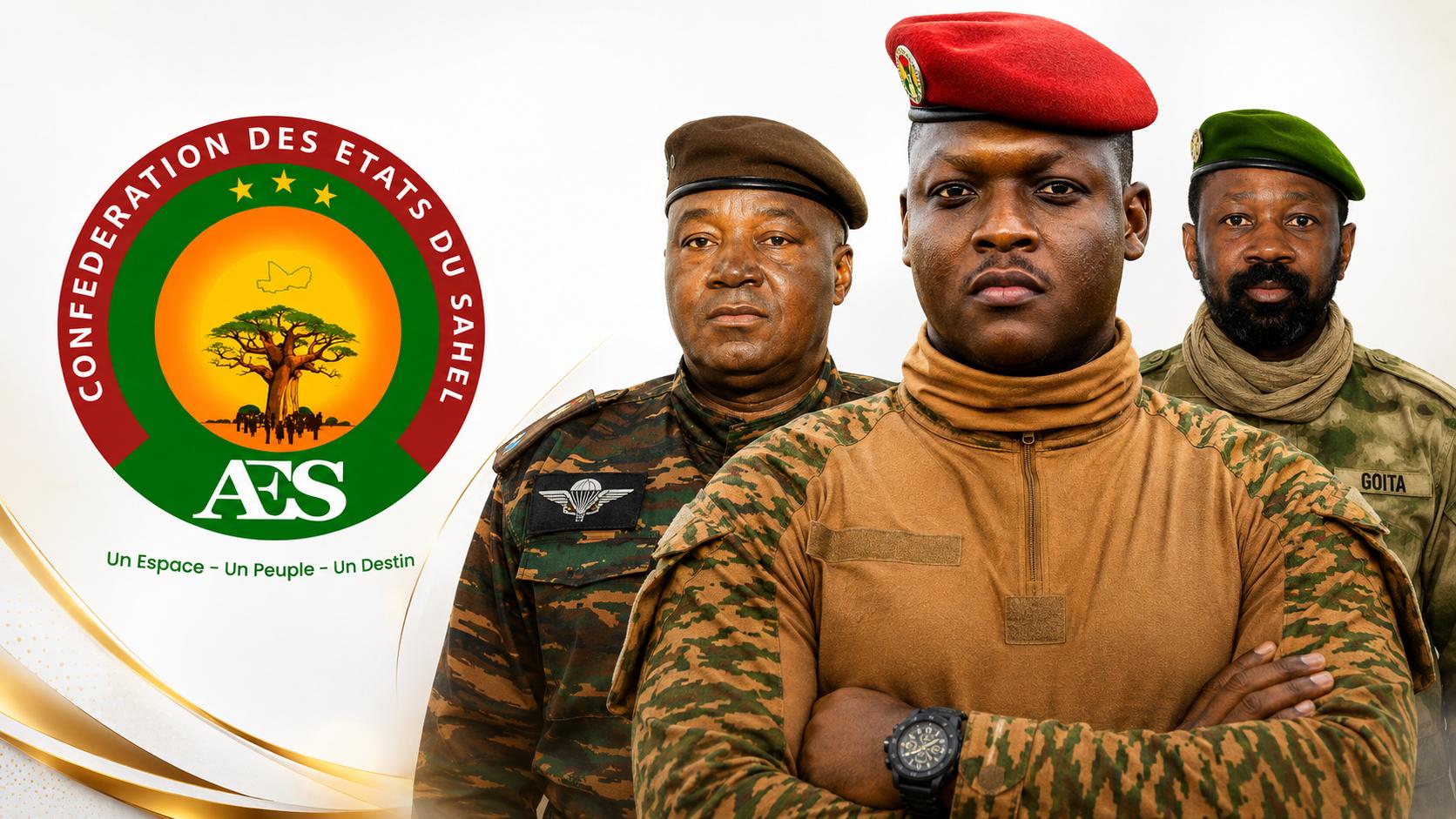
Between 2021 and 2023, the juntas led by Colonel Assimi Goïta in Mali, Captain Ibrahim Traoré in Burkina Faso, and General Abdourahamane Tiani in Niger framed their coups as acts of liberation. The narrative was clear: ending French and Western military presence would dismantle neocolonial shackles and restore true autonomy. By September 2023, the Alliance of Sahel States (AES) formalized this vision through a collective defense charter, cementing internal support for the juntas.
Yet the ground reality tells a different story. The once-bold promise of sovereignty now crumbles under the weight of a new dependency—one that trades one hegemon for another. The Africa Corps, Moscow’s official paramilitary arm, has quietly replaced Western trainers, but at what cost?
Mali’s Burden: A Financial Black Hole
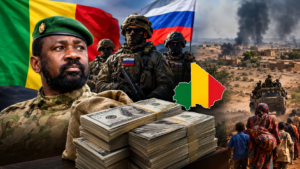
No country in the Sahel has paid a steeper price for this alliance than Mali. Since 2021, Bamako has funneled over one billion dollars into Wagner’s coffers—now absorbed by the Africa Corps—at a monthly rate nearing $10 million. This staggering sum does not include the human toll: the Africa Corps operates not as advisors, but as frontline combatants, a stark contrast to their limited roles in Burkina Faso or Niger.
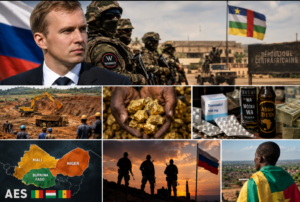
Investigations reveal no major mining concessions granted to Russian forces, meaning Mali’s treasury bears the full financial brunt without tangible economic returns. The arrangement underscores a paradox: sovereignty, it seems, comes with a staggering invoice.
The Security Illusion: Battles Lost, Gains Undone
Despite deploying an estimated 1,000 to 1,500 fighters, the Africa Corps has struggled to turn the tide against insurgent groups. Reports from regional observers indicate that after a humiliating retreat from Kidal in April 2026, rebel forces reclaimed strategic towns like Tessalit, Anéfis, and Aguelhok. In southern areas near Gao and Ber, state control is eroding, with rural zones slipping beyond government reach.
As security analysts at the International Montaigne Institute have noted, the only viable path forward may be a comprehensive political negotiation—one that acknowledges the limits of military solutions in the Sahel.
The Paradox of Power: A Sovereignty Half-Fulfilled
Moscow’s influence has reshaped the Sahel’s security landscape, but not in the way the juntas envisioned. Researchers from International Politics and Society argue that this model risks transforming Sahelian states into de facto protectorates, where political autonomy masks operational subservience.
The International Crisis Group draws a sharp distinction between symbolic sovereignty—freedom to reject Western demands—and real operational independence. While juntas have diversified their arms suppliers to include Turkey, Iran, and China, the outsourcing of combat missions to foreign forces leaves them vulnerable to new forms of external control. The Africa Corps may not dictate policy, but its presence ensures Mali, Burkina Faso, and Niger remain beholden to Moscow’s agenda.
Lessons from the Past: Echoes of Cold War Dependencies
This dynamic mirrors Cold War interventions in Africa, where Soviet and Cuban support propped up regimes in Angola and Ethiopia. When that lifeline evaporated, the structural weaknesses of those states became glaringly evident. Today, the Sahel’s reliance on Russian paramilitary forces risks the same fate: a hollow sovereignty that collapses when external backing wanes.
The central question for the region’s future is no longer how to break free from the West, but whether the Sahel’s regimes can build a truly autonomous defense apparatus—or if they are merely replacing one overlord with another.
The price of this gamble may yet prove too high.