
The context behind a journalist’s unexplained detention in Niger
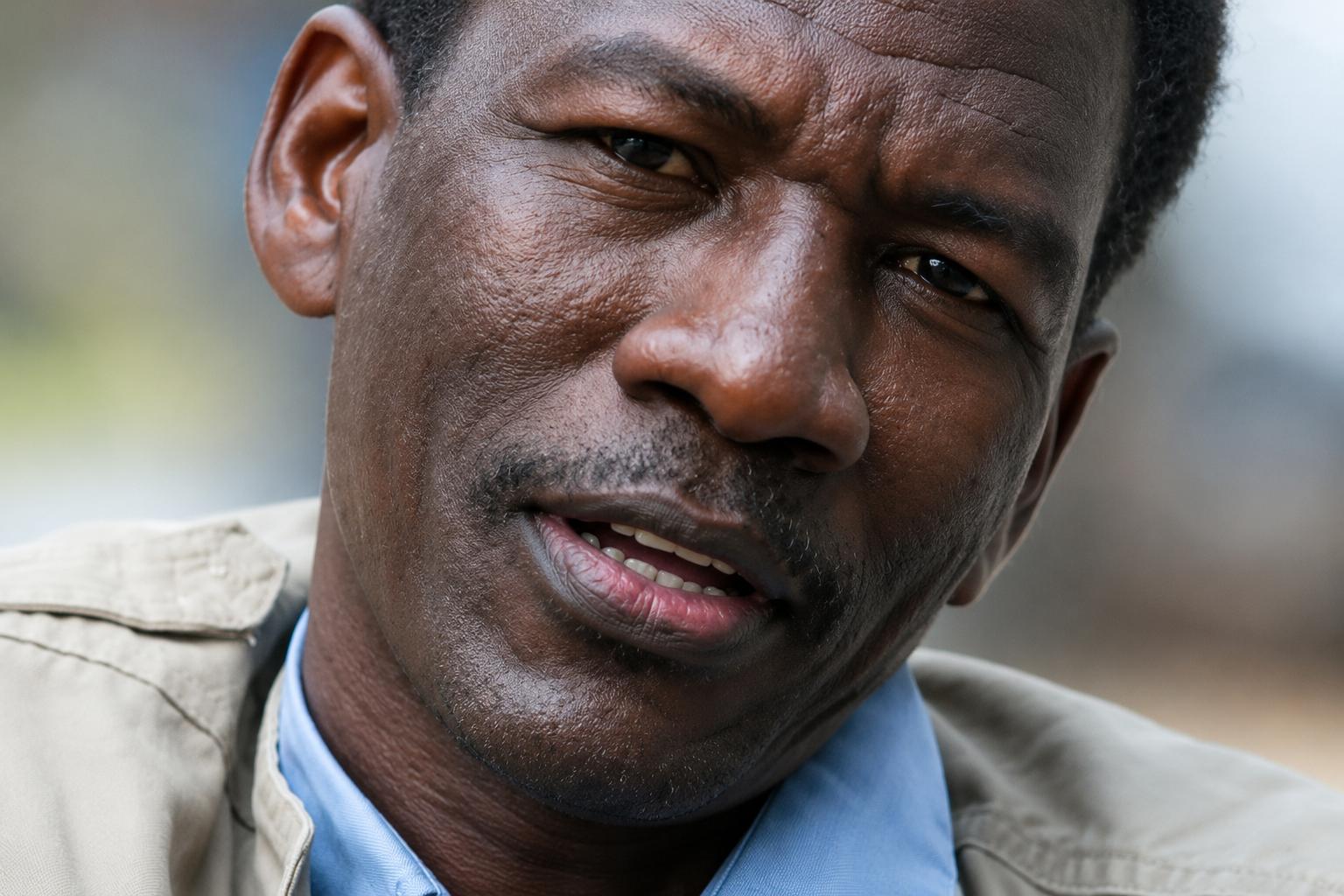
In Niger, the silence surrounding the detention of Moussa Kaka—an acclaimed journalist, media personality, and human rights advocate—has reached a critical point. For weeks following his sudden disappearance in Niamey on August 31, 2026, speculation mounted about his whereabouts. Families, colleagues, and press freedom organizations feared the worst: abduction, forced disappearance, or worse. Only after mounting pressure from journalist unions did authorities acknowledge Kaka was alive, confirming his state custody. But the relief was short-lived. The real question remains unanswered: what exactly is he being held for?
State secrecy and the erosion of legal safeguards
The authorities’ initial silence set a troubling precedent. For days, no public statement, no confirmation of arrest, no disclosure of charges—just an ominous vacuum where transparency should have been. When the government finally broke its silence, it did so only to confirm custody, not to clarify the legal basis of his detention. This pattern of opacity undermines public trust and signals a dangerous erosion of constitutional rights under the guise of national security.
For Moussa Kaka, the lack of formal charges means he remains in legal limbo—a detainee without recourse. His legal team and human rights observers continue to demand one thing above all: clarity. Without knowing what he is accused of, neither his defense nor the public can fully assess the legitimacy of his detention. This is not just a procedural oversight—it is a systemic failure of justice.
What the state knew—and when it knew it
The timeline reveals a troubling disconnect between official actions and public accountability. Kaka was last seen leaving his office in central Niamey in broad daylight. Eyewitnesses reported no unusual activity, yet within hours, he vanished from public view. Security cameras that might have captured his movement were not promptly shared. Family members filed missing person reports, to no avail. It was only after sustained media uproar and international inquiries that authorities acknowledged his detention. Yet even then, no charges were disclosed, no location confirmed, no timeline provided. This delay in transparency is not accidental—it is a calculated strategy of secrecy that erodes democratic norms.
The legal vacuum: a test for Niger’s transition
This case is more than an individual injustice—it is a barometer for the rule of law in Niger during its delicate transition period. Since the change in government, journalists covering sensitive issues have faced heightened scrutiny. Investigative reporting, once a cornerstone of democratic discourse, is increasingly treated with suspicion. The state justifies this as a security imperative, but the lack of clear legal justification for Kaka’s arrest raises a critical question: is national security being weaponized to silence critical voices?
The silence from authorities is not neutral. It perpetuates a climate of fear. When a journalist can disappear without explanation and remain in custody without charge, the message to the press is clear: compliance is safer than truth. This is the antithesis of press freedom—and it threatens the very foundation of Niger’s democratic aspirations.
What’s next: demands for accountability
Human rights organizations, press freedom groups, and civil society are no longer waiting for answers—they are demanding them. The call is simple but powerful: disclose the charges. The longer the state withholds information, the deeper the crisis of legitimacy grows. The demands include:
- Immediate disclosure of charges: The public has a right to know what crime, if any, Moussa Kaka is alleged to have committed. Without this, his detention is arbitrary.
- Access to detention conditions: Independent monitors must be allowed to verify Kaka’s welfare, location, and treatment in custody.
- Legal representation and family access: He must be permitted to meet with lawyers and family members without obstruction to prepare an effective defense.
- Judicial oversight: Any detention must be reviewed by a judge within the constitutional timeframe to prevent indefinite holding without trial.
These are not extraordinary requests. They are basic standards of a functioning democracy. Yet in Niger today, they are treated as negotiable concessions. That must change. The case of Moussa Kaka is not just about one journalist—it is about the soul of the nation’s press freedom.
The ripple effect: why this case matters beyond the headlines
Every journalist covering conflict, corruption, or governance in Niger now faces a chilling question: Am I next? The culture of fear is spreading. Self-censorship is rising. Sources are drying up. When a respected figure like Moussa Kaka can be detained without explanation, the signal to others is unambiguous: speak carefully, or vanish into silence.
This is not how a nation committed to democracy operates. It is how regimes under stress justify repression. But Niger’s future is not yet written. The pressure from civil society, the media, and international observers is growing. The authorities can still restore confidence by acting transparently—by releasing charges, allowing access, and restoring due process. Until then, the stain on Niger’s reputation as a defender of press freedom will only deepen.
A moment of reckoning for Niger
The detention of Moussa Kaka is more than a legal issue—it is a moral one. It forces the nation to confront a fundamental question: in a time of transition, does Niger stand for justice or for secrecy? For transparency or for fear? The answers will define not only the future of one journalist, but the integrity of the country’s democratic institutions.
The world is watching. And the silence from Niamey is beginning to speak volumes.