
Benin achieves 73% compliance with UEMOA regional reforms in 2026 review
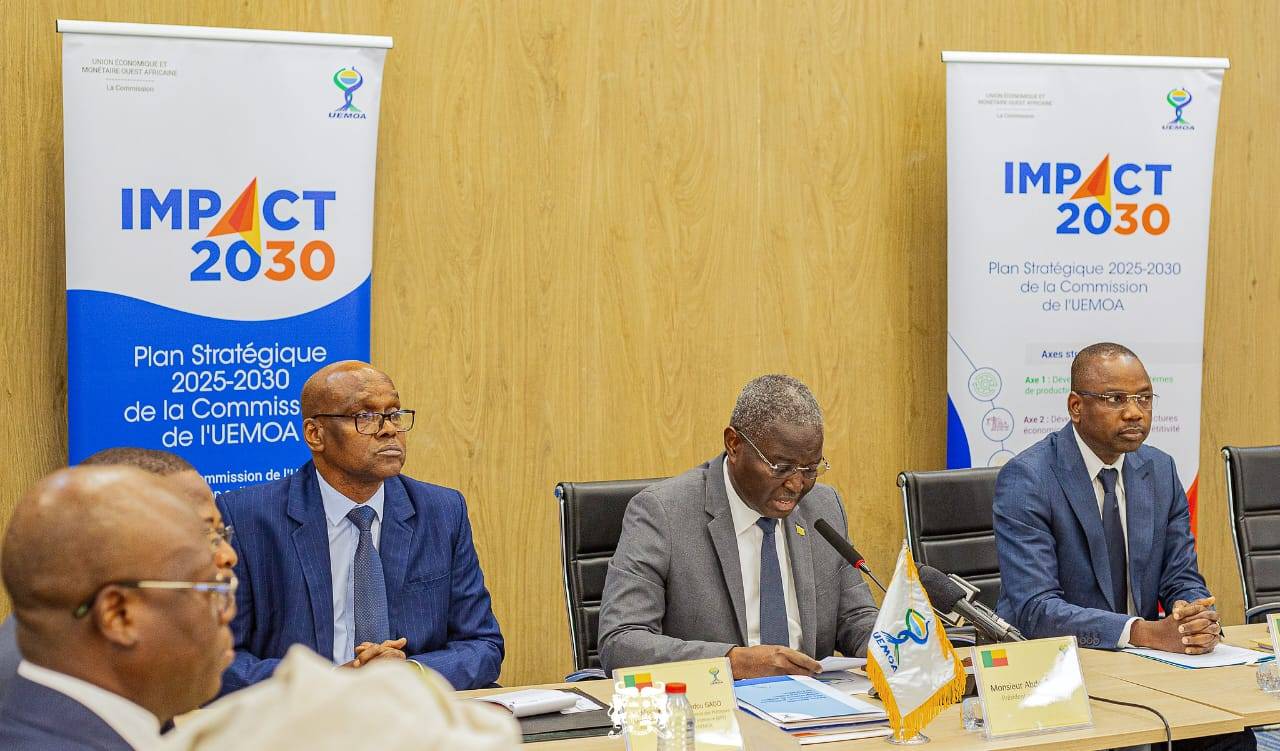
Cotonou has demonstrated a strong commitment to West African economic integration by achieving a 73% implementation rate of UEMOA’s regulatory reforms during the 2026 Annual Policy Review. The Ministry of Economy and Finance hosted this year’s evaluation, which scrutinized 145 community texts, surpassing the 70% satisfactory threshold set by the West African Economic and Monetary Union.
Institutional gathering highlights regional compliance efforts
The Annual Policy Review serves as a critical mechanism for measuring how effectively member states are aligning their national legislations with UEMOA’s community law. This year’s edition brought together representatives from Cotonou’s ministries and sectoral structures alongside the UEMOA Commission’s delegation in Benin’s economic capital.
The comprehensive assessment aimed to evaluate every transposed and applied text while pinpointing administrative or technical obstacles that could hinder the union’s progress. This rigorous approach ensures that decisions made at the highest levels are effectively implemented at the national level.
Three fundamental pillars guide the evaluation process
The 2026 review utilized a comprehensive analysis grid comprising 145 UEMOA community texts. The evaluation framework focused on three essential pillars that underpin the region’s economic development:
- Economic governance and convergence: This includes harmonizing budgetary frameworks, implementing multilateral surveillance, and ensuring transparency in public management.
- Common market development: Emphasizing the free movement of people, goods, services, and capital, along with establishment rights across member states.
- Sectoral policy alignment: Aligning national initiatives in transportation, energy, agriculture, environment, and digital sectors with UEMOA’s directives.
73% milestone reflects sustained reform efforts
The conclusion of the evaluation revealed that Benin has achieved a 73% overall implementation rate. In UEMOA’s assessment framework, the 70% threshold represents the minimum requirement for recognition of significant reform efforts. This accomplishment underscores the country’s consistent progress in recent years while identifying specific areas for targeted improvement.
Leadership perspectives drive future integration roadmap
Following the results presentation, both parties engaged in strategic discussions about the integration process’s future direction. The UEMOA Commission President emphasized that this review represents a transformative strategic lever rather than mere audit exercises. He highlighted the importance of Benin’s strong commitments to achieve significant advances in the next review cycle, particularly in sectors requiring additional efforts.
The Beninese Minister of Economy and Finance, overseeing Cooperation matters, praised the meticulous work of the country’s administrative teams. He noted that this achievement stems from a permanent and rigorous mechanism for monitoring community texts, coupled with collective mobilization across relevant ministries. The minister emphasized that this institutional meeting serves to precisely identify administrative bottlenecks, facilitate best practice sharing with the UEMOA delegation, and establish concrete solutions to accelerate pending directive transposition.
Remaining challenges and forward-looking strategies
While the overall assessment proves satisfactory, the remaining 27% gap presents the primary focus for the coming months. Complex sectoral policy transposition demands enhanced inter-ministerial coordination. By reaffirming the government’s commitment to ongoing reforms, the minister outlined the roadmap for the upcoming period, with the goal of presenting notable progress in identified improvement areas during the next annual review.
Promising momentum for West African economic integration
By crossing the 73% threshold in this 2026 evaluation, Benin has demonstrated how rigorous governance and continuous institutional monitoring can transform regional commitments into tangible legal and economic realities. As the UEMOA faces major global and regional economic challenges, Cotonou’s demonstrated fiscal discipline and regulatory alignment not only bolster the country’s international financial credibility but also contribute to building a more fluid and competitive sub-regional market.