
Bénin and Togo unite to break energy dependency with historic power project
Persistent reliance on volatile foreign energy suppliers has pushed Bénin and Togo toward an unprecedented political and economic collaboration. Facing recurrent blackouts and supply disruptions, both nations are now prioritizing the creation of a shared, sustainable energy framework to fuel their growing industrial zones.
In late April, a devastating fire at Ghana’s Akosombo substation wiped out 1,000 megawatts from the regional grid, immediately halting power exports to Togo and Bénin. The incident underscored a harsh truth: during supply shocks, supplying nations inevitably prioritize domestic demand over regional commitments. This pattern repeated in 2024 when disruptions in the West African Gas Pipeline forced Togo to allocate 31 billion West African CFA francs in emergency funding to offset shortages of Nigerian gas. These recurring vulnerabilities reveal the limitations of the Bénin Electricity Community (CEB), established in 1968 but long confined to transmission without any independent generation capacity.
Adjarala Dam: the cornerstone of energy sovereignty
What was once a technical challenge has now become a political imperative. The solution lies in the development of the Adjarala Dam on the Mono River. With a projected investment of 266 billion West African CFA francs and a 147-megawatt capacity, this project promises three decades of stable electricity while enabling irrigation for 14,700 hectares of farmland in Togo. The initiative is vital for sustaining the industrial momentum in both countries — particularly in Bénin’s Glo-Djigbé Special Economic Zone, a $1.2 billion hub for cotton and cashew processing, and Togo’s Adétikopé industrial platform. Both zones can no longer depend on the unreliable energy goodwill of neighboring states. A unified energy market is now essential to strengthen their negotiating power with global investors.
Tapping into local savings to power regional growth
As international lenders withdraw from fossil fuel financing, Bénin and Togo are turning inward. They are mobilizing long-term domestic savings by engaging national pension funds and insurance companies — entities holding significant reserves currently invested in short-term government securities. The issuance of joint energy bonds, backed by both governments, could convert social savings into a powerful engine for regional infrastructure development, according to financial analysts.
A new chapter in regional cooperation
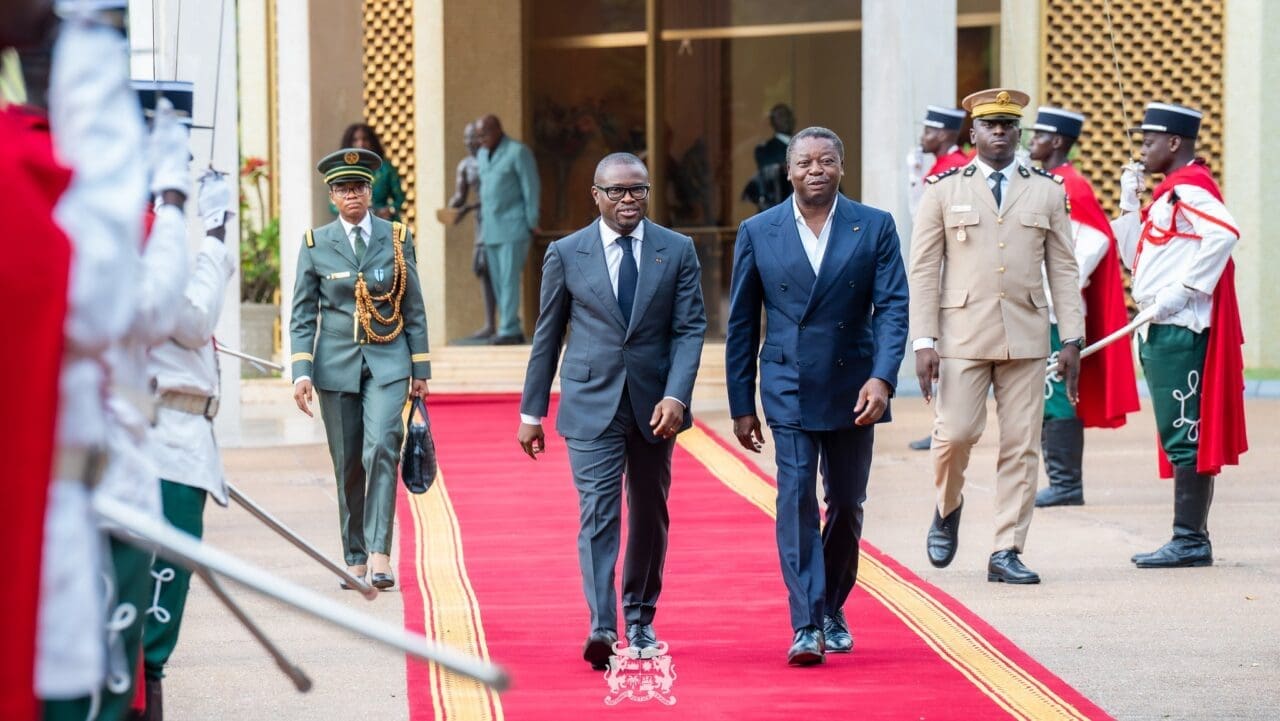
This strategic shift was symbolized by the official visit of Bénin’s President Romuald Wadagni to Lomé on June 3, 2026. The joint communiqué laid the groundwork for deepened economic integration and interlinked infrastructure systems. The leaders’ shared vision includes a plan for Bénin to inject 100 megawatts into the grid every two years, while Togo aims for universal electricity access by 2030. This political alignment presents a rare opportunity to finally realize a long-overdue vision of mutual energy independence.