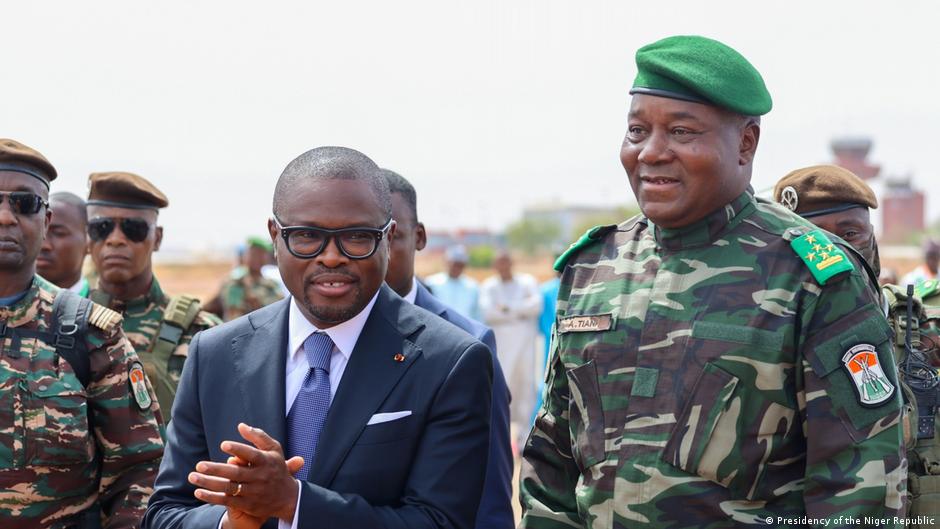

A joint expert committee has breathed fresh life into talks over the reopening of the Benin-Niger border, offering a glimmer of hope after three years of standoff. The panel’s findings, centered on security, transit protocols, and economic cooperation, have laid the groundwork for a potential thaw in relations—but not without hurdles.
Three red lines set by Niamey
The Nigerien government has made its position unmistakably clear: reopening the frontier isn’t negotiable unless three core conditions are met. First, Niamey insists on a formal mutual defense pact with Cotonou, explicitly barring either side from using its territory to destabilize the other. For analyst Régis Hounkpè, director of InterGlobe Conseils, this commitment is fundamental—though he emphasizes that practical implementation will be key in restoring trust shattered by years of tension.
The second demand involves real-time intelligence sharing through a joint cell focused on counterterrorism and cross-border crime. Hounkpè calls this a pragmatic step, noting that transparency in security cooperation could curb illicit activities that thrive in unmonitored zones.
Finally, Niger seeks full disclosure on foreign military deployments near the Beninese border. While acknowledging Benin’s sovereign right to partnerships, Hounkpè warns against misreading such alliances as threats. « The Bénin is free to collaborate with France, China, Russia, or any other nation—as long as these ties aren’t weaponized against Niger, » he asserts. « Pragmatism dictates avoiding self-inflicted economic harm. »
Economic stakes hang in the balance
The closed border has crippled trade flows, with 70% of Niger’s imports—including fuel, construction materials, and food staples—traditionally routed through Beninese ports. Alternative routes via Nigeria or Togo are costlier, pushing logistics expenses up by 30-50% and delaying critical supplies. The Niger-Benin pipeline, designed to export 90,000 barrels daily, sits idle, depriving Niamey of vital oil revenues.
Benin isn’t spared either. The port of Cotonou, once a regional hub, faces severe congestion as diverted cargo clogs its terminals. Revenue losses in transit fees, trucking, and wholesale trade have plunged some sectors into a 60% slump. Meanwhile, neighboring Togo and Nigeria are capitalizing on the vacuum, threatening Benin’s long-standing role as West Africa’s trade gateway.
Human cost of isolation
The fallout extends to communities along the border. At crossing points like Malanville and Gaya, market vendors report customer traffic halved, with small businesses shuttered and families struggling to afford staples. Detours via Nigeria have inflated prices, and perilous river crossings—now the only option for many—have led to accidents and severed social ties. Vulnerable groups face heightened risks of exploitation through smuggling networks and extortion.
Analysts argue that economic survival now outweighs political posturing. Since President Romuald Wadagni’s election in Benin, both nations have signaled a willingness to depoliticize the dispute. His June 2026 visit to Niamey kickstarted the joint committee, reflecting a shared recognition that geopolitical alignment must yield to pragmatic necessity.
« Leaders today are governed by geography, not ideology, » Hounkpè remarks. « Their economies—and security—are intertwined. The priority isn’t grandstanding; it’s restoring stability through trade, logistics, and counterterrorism cooperation. »
A phased path forward?
If negotiations progress, a gradual reopening could prioritize essential goods under heightened monitoring. Hounkpè predicts such a move might even inspire broader regional reconciliation, drawing parallels to the thaw between Mali and Côte d’Ivoire earlier this year. For now, the focus remains on turning dialogue into action—before the cost of division becomes irreversible.



