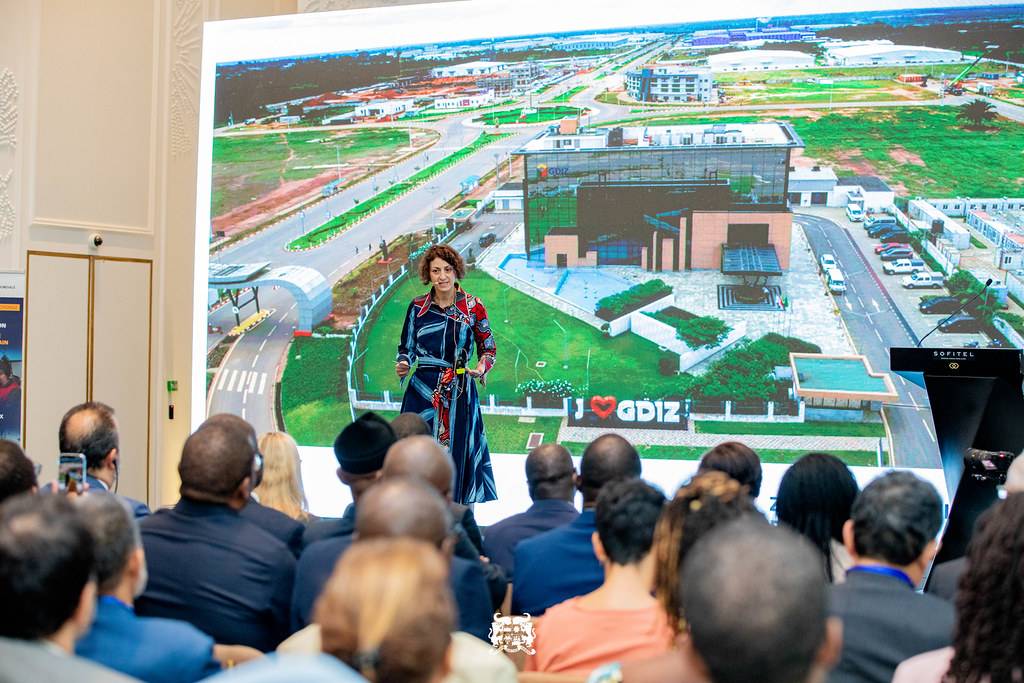

On a bright Friday in mid-July 2026, the Sofitel Cotonou Marina Hotel & Spa became the backdrop for a historic moment: the official inauguration of the Benin-World Bank Country Partnership Framework (CPF) 2026-2036. This landmark agreement between the Beninese government and the World Bank Group is not just another financial protocol—it represents a decade-long strategic alliance designed to reshape the nation’s socio-economic landscape.
A decade of transformation: aligning vision with action
Against the backdrop of the ambitious Alafia Bénin 2060 national vision, this partnership arrives at a pivotal moment for Benin. Government officials, international diplomats, private sector leaders, and development partners gathered to celebrate what promises to be a game-changer for economic growth and social progress. The CPF 2026-2036 is more than a funding mechanism—it is a comprehensive roadmap that aligns financial support with long-term national priorities.
The presence of Anna Bjerde, World Bank Group Managing Director of Operations, underscored the confidence international donors place in Benin’s ongoing structural reforms. This endorsement comes as the country seeks to consolidate macroeconomic stability while ensuring that the benefits of growth reach every community.
Three pillars to drive inclusive growth
The CPF 2026-2036 is built on three interconnected pillars, each designed to address critical bottlenecks in Benin’s development journey:
1. Empowering the workforce of tomorrow
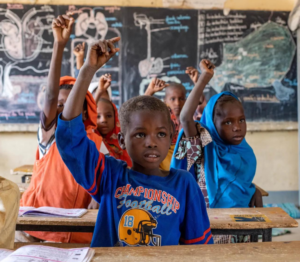
Human capital remains the cornerstone of sustainable development. The framework prioritizes investments in health, nutrition, and vocational training to ensure that Benin’s workforce is equipped for the jobs of today and tomorrow. By aligning educational programs with market demands, the government aims to reduce youth unemployment and prepare citizens for high-value industries.
2. Building the infrastructure backbone
From energy and digital connectivity to transport networks, the CPF allocates substantial resources to modernize Benin’s infrastructure. Key projects include upgrading rural roads to improve market access, expanding renewable energy sources to power industries, and enhancing digital infrastructure to connect remote areas with economic hubs like Cotonou Port.
3. Unlocking private sector dynamism
Private enterprise is positioned as the engine of job creation and economic diversification. The framework introduces targeted reforms to simplify business registration, improve access to credit for SMEs, and foster entrepreneurship among women and young people. Special emphasis is placed on agro-industrial zones, such as the Glo-Djigbé Industrial Zone, to create stable, high-paying jobs and curb rural-urban migration.
Youth employment: the defining challenge of the decade
With over 60% of its population under 25, Benin faces a demographic dividend that could either fuel growth or fuel instability. The CPF 2026-2036 places youth employment at the heart of its strategy, integrating vocational training, apprenticeship programs, and support for high-growth sectors like cashew processing and cotton textiles. The goal is clear: transform potential into prosperity by giving young Beninese the tools to succeed in the formal economy.
Regional balance and long-term resilience
Recognizing that national progress cannot be achieved without territorial cohesion, the partnership dedicates a significant portion of its budget to northern and peripheral regions. These areas, often overlooked in past development plans, will benefit from new water systems, electrification projects, and rural road networks. By addressing disparities, the CPF aims to reduce migration pressures and strengthen national unity in the face of regional security challenges.
A partnership built to last
The World Bank’s commitment goes beyond financial injections. The CPF 2026-2036 includes flexible financing mechanisms designed to adapt to evolving needs, ensuring that funds are used efficiently and effectively. Anna Bjerde highlighted the framework’s potential to deliver tangible results for entrepreneurs, farmers, and families across Benin, reinforcing the country’s reputation as a reform-driven economy in West Africa.
Can Benin become a model for inclusive development?
The next ten years will determine whether Cotonou’s bold vision translates into real progress across the country. Success hinges on disciplined execution, transparent governance, and the ability of local institutions to absorb and manage investments. If realized, this partnership could position Benin as a beacon of sustainable, inclusive growth in the Sahel—proving that even in challenging environments, strategic planning and international collaboration can unlock transformative change.