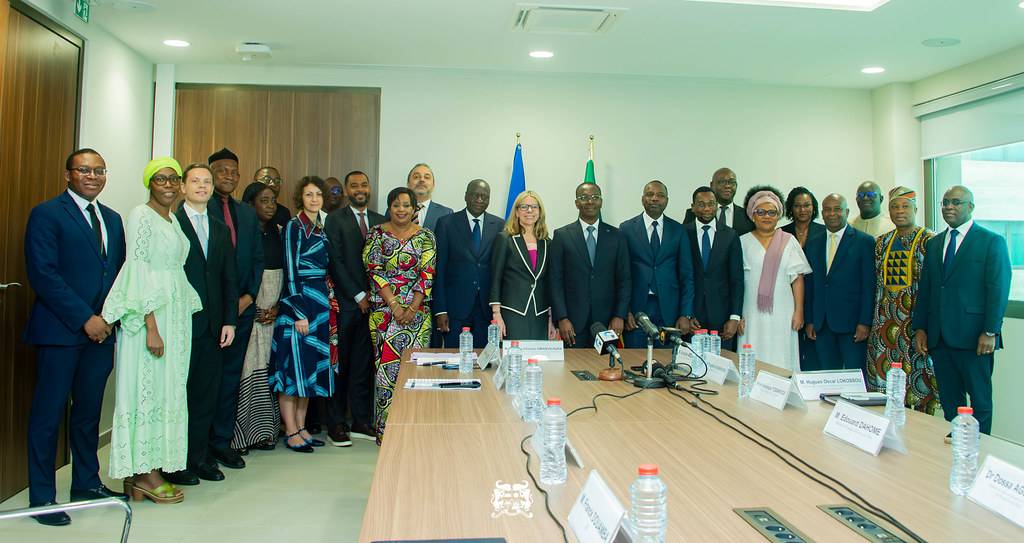

Cotonou is accelerating its structural transformation with a landmark financial agreement. On July 17, 2026, the Beninese government finalized two major funding deals totaling $320 million with the World Bank. These investments target energy autonomy, agricultural modernization, and human capital development—key pillars for sustainable economic growth and improved livelihoods across the nation.
Dogo-Bis Dam: Powering energy and agricultural transformation in Ouémé
The first initiative, backed by $150 million, is the Dogo-Bis multi-purpose hydroelectric dam project. More than just a power source, this infrastructure is designed to be the backbone of a fully integrated production ecosystem.
From an energy perspective, the dam will significantly boost Benin’s electricity generation capacity, reducing reliance on regional imports—a longstanding challenge for local industries. Édouard Dahome, Minister of Energy, Water and Mines, emphasized the project’s role in stabilizing power supply in the Ouémé Valley, fostering both industrial competitiveness and socioeconomic resilience.
Beyond electricity, the dam will secure water access year-round, unlocking vast agricultural potential. Historically constrained by seasonal water shortages and limited processing infrastructure, the Ouémé Valley is poised for an agro-industrial boom. With reliable irrigation and improved storage, farmers can maximize yields and attract private investment in local food processing—turning raw materials into higher-value products and reducing import dependency.
ALAFIA I: Building a healthier future through nutrition and human capital
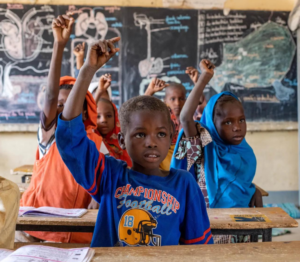
The second $170 million agreement funds ALAFIA I: Nourishing Benin for Tomorrow, a bold program focused on early childhood development, maternal health, and nutrition security. By prioritizing preventative care and integrated health services, the government is investing in the most cost-effective development strategy available.
Research shows that investments in early childhood yield the highest long-term returns in public policy. Healthier children grow into more productive adults, with measurable gains in school attendance, workforce readiness, and reduced healthcare costs. ALAFIA I is not just a social program—it’s a strategic economic investment in Benin’s future workforce and demographic dividend.
A coordinated strategy for inclusive and sustainable growth
What makes this financing package stand out is its deliberate integration. Hugues Oscar Lokossou, Deputy Minister for External Resource Mobilization and Debt Management, highlighted the synergy between the two projects: “These funds will strengthen food security, improve territorial connectivity, and drive economic growth through coordinated action.”
The Dogo-Bis dam will increase agricultural output and energy supply, while ALAFIA I ensures that a healthier, better-educated population can fully participate in and benefit from this economic transformation. The result? A virtuous cycle: more food produced locally reduces import bills, while a robust workforce supports industrial expansion. Improved rural-urban connectivity ensures that growth is inclusive, reaching every region of Benin.
Setting a regional benchmark for resilient development
With this $320 million commitment, the World Bank has reaffirmed its confidence in Benin’s economic governance and macroeconomic stability. In a West African region often challenged by instability, Cotonou is positioning itself as a magnet for international investment and a model of sustainable growth.
The dual focus on hard infrastructure and human development reflects a modern development philosophy: lasting economic power requires both steel and social investment. By transitioning from a transit and subsistence economy to a diversified, semi-industrialized model, Benin is building resilience against external shocks. A strong emphasis on sustainability and inclusion—especially for women and children in rural areas—demonstrates a commitment to leaving no one behind.
The July 17, 2026 signing is more than a financial milestone. It represents a strategic foundation for Benin’s future. By investing simultaneously in the energy potential of the Ouémé Valley and the health and nutrition of its youngest citizens, the government has embraced the core principle of sustainable development: economic growth cannot be sustained without a thriving, capable population. Now, the focus shifts to flawless implementation—a challenge keenly watched by citizens and development partners alike.