
On a Wednesday in mid-July 2026, Toviklin in the Couffo region became the stage for a historic announcement. Gathered under the shade of a large canopy, leaders, teachers and citizens from six local municipalities listened as the Bénin government unveiled its most ambitious social investment package to date. With a headline figure of 31 billion CFA francs, the executive delivered on a promise that resonates deeply with everyday citizens: tangible improvements to the essential services that shape daily life.
Emergencies first: when seconds count
The first tranche of funding—1 billion CFA francs—directly addresses life-saving care. It marks the end of an era where emergency medical attention hinged on upfront payments. Now, the state guarantees immediate treatment regardless of financial circumstances. As officials emphasized, “In a life-threatening emergency, care comes first—billing comes later. No patient should trade a breath of oxygen for a receipt.”
Concerns about uneven implementation or local favoritism were met with a firm commitment: nationwide monitoring systems are being deployed to ensure the policy applies uniformly across every community, from Cotonou to Parakou.
A school system worthy of its name
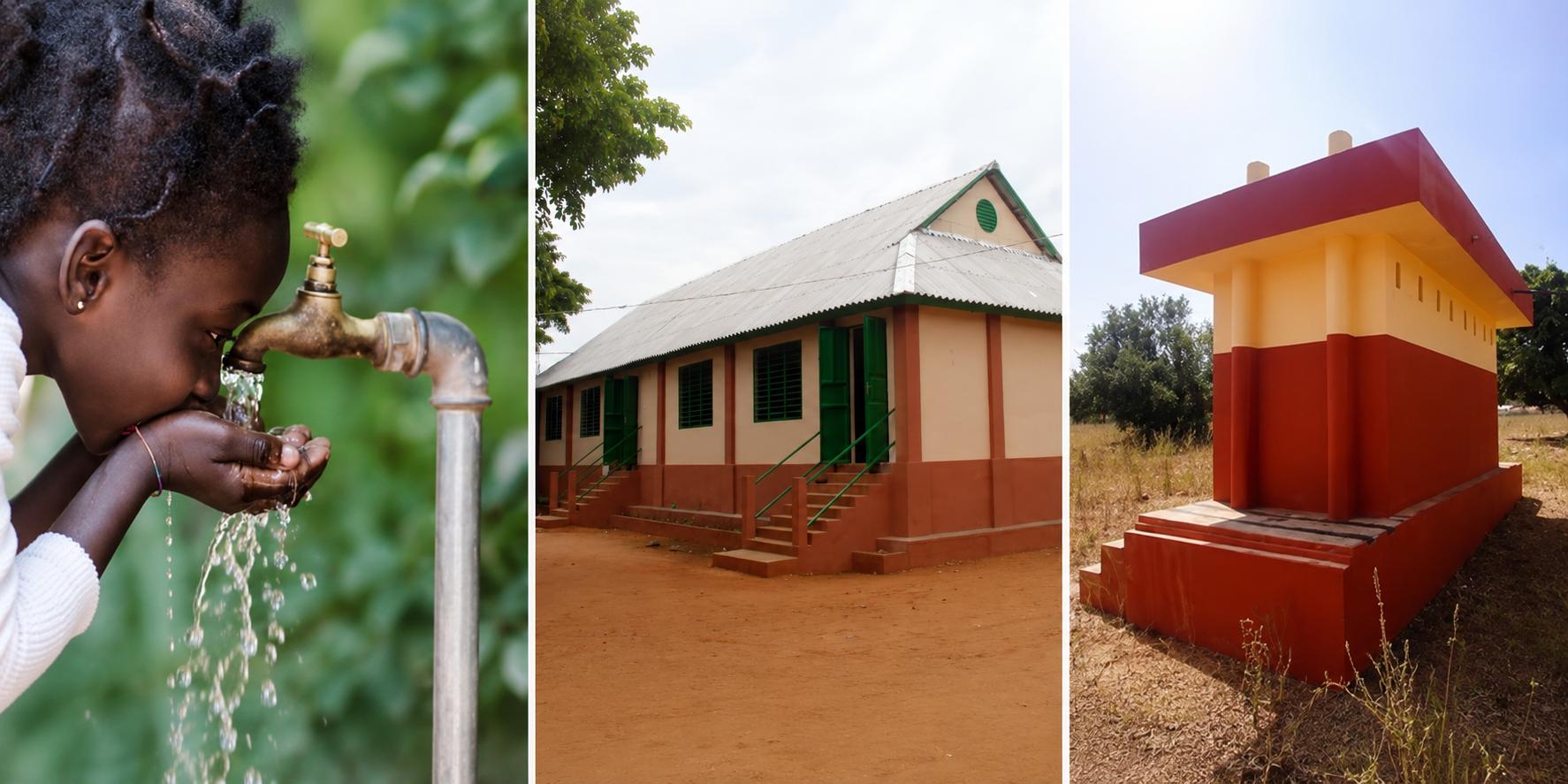
The second allocation—20 billion CFA francs—tackles what officials call a “silent scandal”: the chronic lack of basic amenities in thousands of classrooms. This funding will cover piped water, reliable electricity, and gender-segregated latrines in schools nationwide. Improving sanitation is not just a matter of comfort—it’s a critical factor in keeping adolescent girls in school and reducing dropout rates.
Health centers powered for 24/7 care
The third component—10 billion CFA francs—is earmarked for rural and peri-urban health clinics. These facilities, often plagued by unreliable power and water, are set for a complete upgrade. Solar-powered systems will ensure uninterrupted electricity for nighttime deliveries, emergency C-sections, and critical care. Running water will reinforce hygiene protocols and reduce infection risks. As one health worker put it, “A clinic without power or water isn’t a clinic—it’s a waiting room.”
The power of consistency
These initiatives aren’t isolated gestures. They form a cohesive vision: building resilience from the ground up. By prioritizing emergency care, education infrastructure, and functional health services, the Wadagni administration is addressing the core needs that underpin social stability. In Toviklin, where the plan was first presented, citizens responded with cautious optimism. The real test begins now—with the first drill rigs, solar panels, and water pumps rolling out across the country.