
The Washington-backed peace agreement between Kinshasa and Kigali faces mounting obstacles. In North and South Kivu, clashes for control of key territories have intensified. Despite sanctions, U.S. mediation efforts appear increasingly ineffective, exposing the limits of inconsistent diplomacy.
Deadline missed, violence persists
The July 15 deadline came and went. Signed on June 27, 2025, under U.S. auspices, the Washington agreement mandated the withdrawal of Rwandan troops from eastern Democratic Republic of Congo (DRC), where Kigali backs the Congolese politico-military group Alliance du fleuve Congo/M23 (AFC/M23). This armed faction still controls large swaths of North and South Kivu.
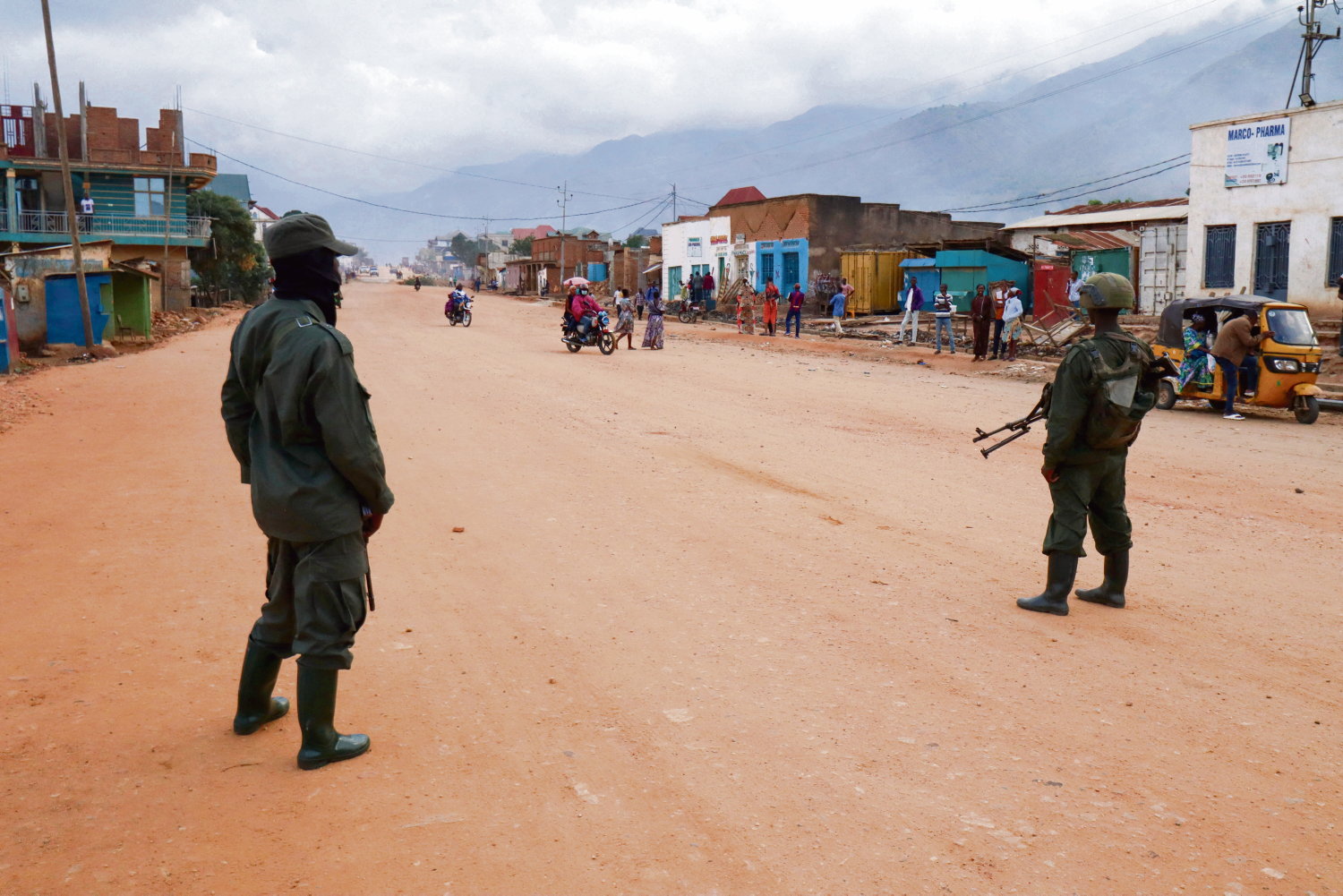
The peace treaty also included other critical provisions. Yet, despite statements from U.S. Secretary of State Marco Rubio, who anticipated implementation by mid-July, the process remains stalled. In fact, fighting has escalated across eastern DRC, with civilians bearing the brunt of the renewed hostilities.
Diplomatic paralysis
Sanctions imposed on regional actors have failed to curb the violence. Meanwhile, diplomatic channels appear gridlocked, with both sides accusing the other of violating the agreement’s terms. The breakdown in trust has left trust-building measures in tatters, leaving communities caught in the crossfire.
Humanitarian crisis deepens
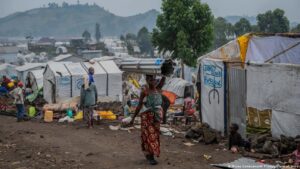
Displaced populations surge as violence spreads. Aid agencies warn of a looming catastrophe, with limited access to food, medical supplies, and shelter. The international community’s response has been sluggish, raising concerns over long-term stability in the region.