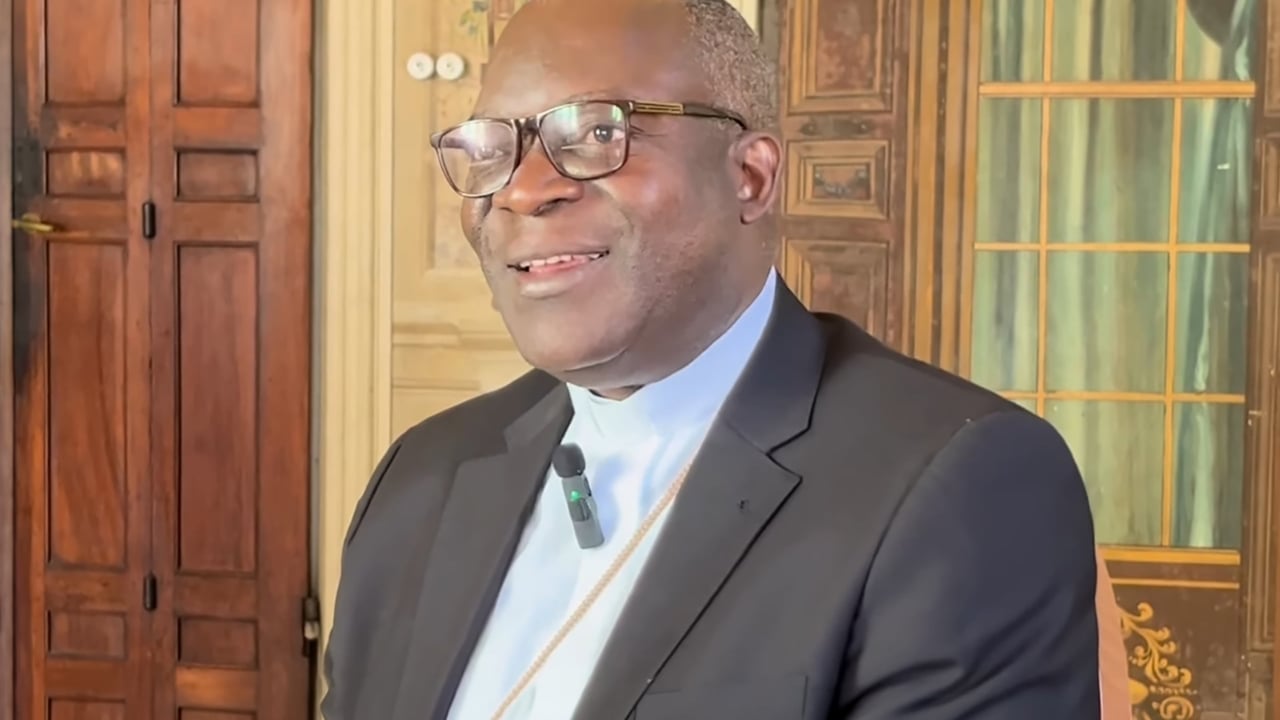

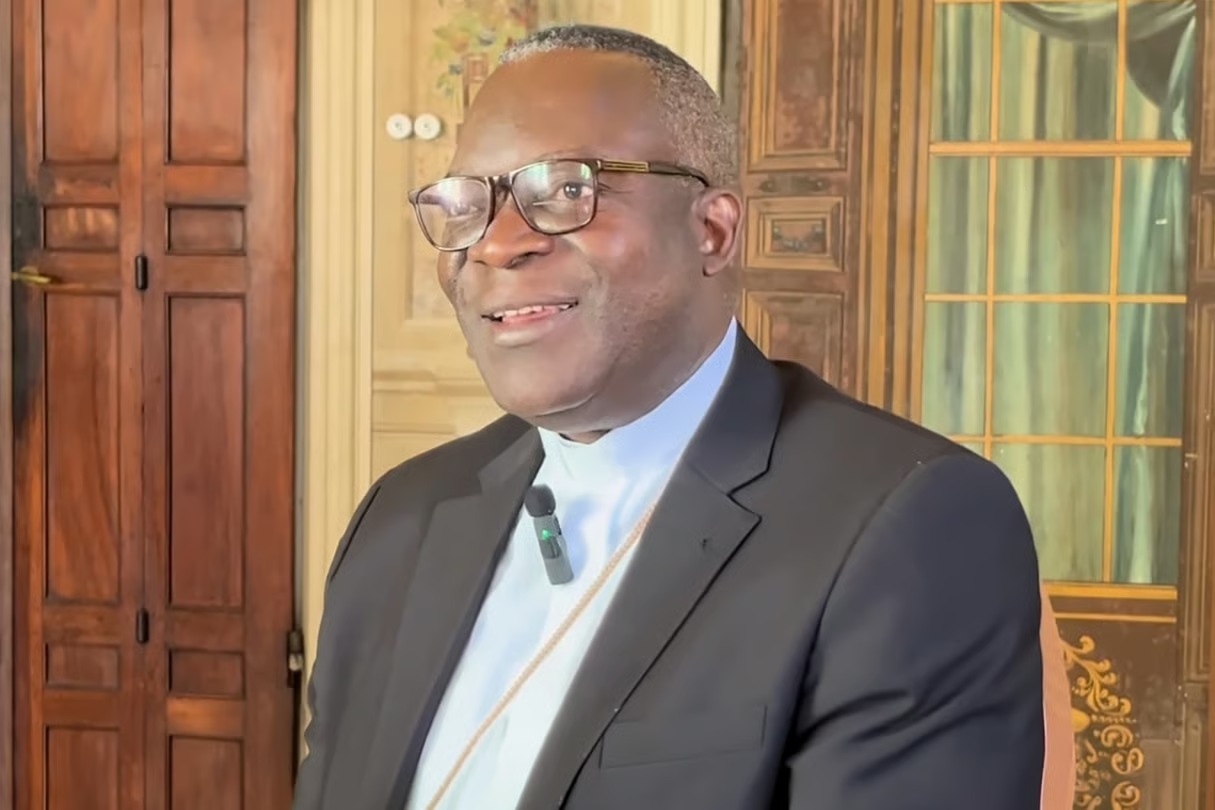
Bishop Fulgence Muteba: Congo’s referendum faces strong opposition amid ongoing violence
The National Episcopal Conference of Congo (Cenco) has raised serious concerns about the upcoming constitutional referendum, calling it untimely given the country’s prolonged conflict. Bishop Fulgence Muteba, President of Cenco, emphasized that holding such a vote in the current climate could deepen divisions rather than foster unity.
Why the referendum is seen as a threat to stability
The Democratic Republic of Congo (DRC) remains embroiled in a complex security crisis, with multiple armed groups operating across its eastern provinces. Muteba argued that the timing of the referendum—a national vote aimed at modifying key constitutional provisions—risks exacerbating tensions rather than addressing them.
- Security first: The Bishop stressed that the government’s priority should be restoring peace before considering any major institutional changes.
- Public trust: He warned that proceeding with the referendum could erode confidence in state institutions, especially among communities already skeptical of political leadership.
- Alternative solutions: Instead of a referendum, Cenco has proposed dialogue among political stakeholders to address the country’s challenges through consensus.
Political reactions to Cenco’s stance
The opposition has echoed Cenco’s concerns, while the government has defended the referendum as a necessary step for democratic progress. Félix Tshisekedi, the President of Congo, has maintained that the vote is essential for modernizing the constitution and strengthening governance.
Meanwhile, critics—including former President Joseph Kabila—have accused the government of using the referendum to consolidate power rather than address pressing national issues.
What’s next for Congo’s political landscape?
As the referendum date approaches, the debate over its legitimacy continues to intensify. Cenco’s position has added weight to growing public skepticism, with many questioning whether the vote will truly reflect the people’s will or merely serve political interests.
Analysts suggest that the outcome could either ease tensions or trigger further instability, depending on how the process is managed. For now, the country remains on edge, with citizens and leaders alike weighing the risks of proceeding versus the potential consequences of delay.