

Understanding Senegal’s debt challenges and IMF negotiations
Senegal is navigating a complex economic landscape as it engages in critical discussions with the International Monetary Fund (IMF). The nation’s debt situation, particularly the hidden debt scandal, has drawn international attention and prompted urgent consultations. These talks aim to stabilize the country’s finances while addressing transparency concerns.
Key objectives of the IMF mission
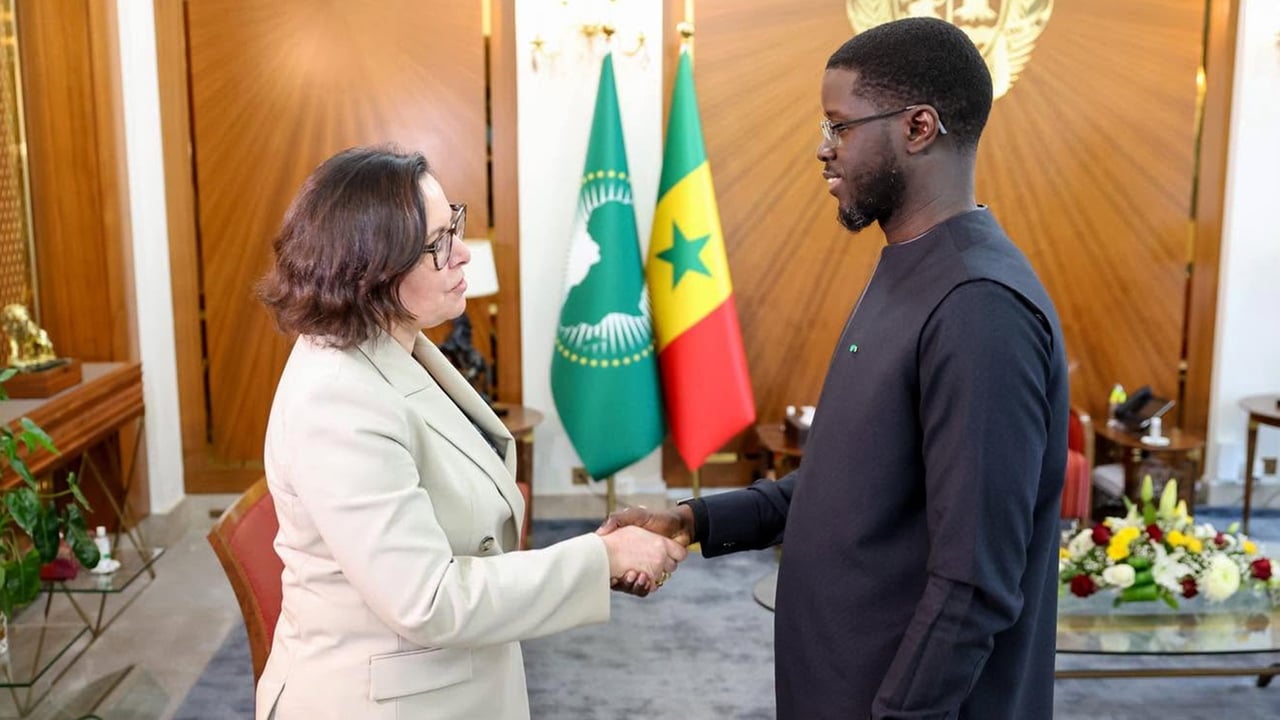
The IMF delegation, led by Mercedes Vera Martin, has outlined several priorities during its mission in Dakar. Among these, fiscal sustainability stands out as a primary focus. The team is evaluating the government’s ability to manage its debt obligations while ensuring long-term economic stability. Transparency in financial reporting remains a central theme.
Another critical area of discussion involves public expenditure reforms. The IMF is pushing for stricter controls on government spending to prevent future debt crises. This includes scrutinizing off-budget transactions and enhancing accountability in financial management.
Government’s response and reforms
President Bassirou Diomaye Faye has reiterated his commitment to economic transparency and reform. His administration is working to address the hidden debt issue, which has raised concerns about governance and fiscal responsibility. The government has pledged to implement measures that align with IMF recommendations, including:
- Strengthening debt management: Establishing clearer oversight mechanisms to track and report all financial obligations.
- Enhancing revenue collection: Improving tax administration and combating evasion to boost public funds.
- Prioritizing essential services: Redirecting resources to critical sectors like healthcare and education while reducing wasteful spending.
Challenges ahead
Despite these efforts, significant hurdles remain. The IMF has warned that delays in implementing reforms could jeopardize Senegal’s access to concessional financing. Additionally, public skepticism about the government’s ability to deliver on its promises poses a political challenge. Balancing economic recovery with social expectations will be key to sustaining momentum.
What’s next for Senegal?
The IMF mission is expected to conclude its assessment soon, with a report likely to shape the next phase of Senegal’s economic strategy. The government’s ability to act on these recommendations will determine whether the country can restore investor confidence and secure its financial future. For now, all eyes are on Dakar as stakeholders await the outcome of these pivotal negotiations.



