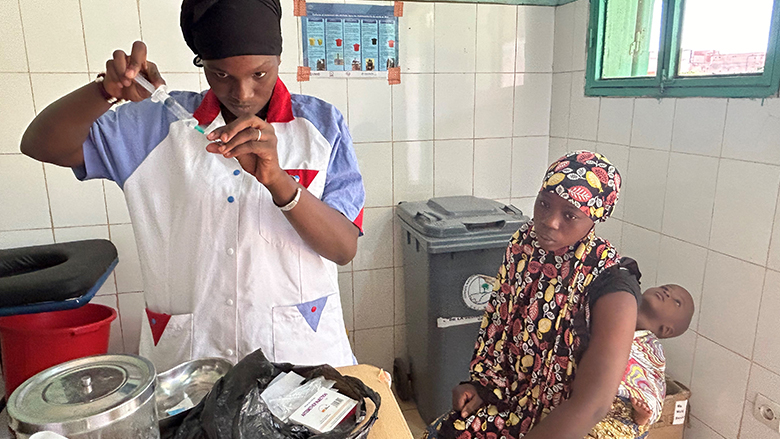

Transformative health outcomes in the Sahel
Between 2018 and 2024, significant progress has been made in strengthening health systems across fragile communities. Here are the remarkable achievements:
Expanded and enhanced health provisions: In both Mali and Mauritania, over 5 million people, with women comprising half of this number, now have access to fundamental health services. This achievement substantially surpasses the initial target of 3.65 million beneficiaries. Health centers in these target regions have seen a marked improvement in the quality of care, thanks to upgraded equipment, comprehensive staff training, and more effective patient management strategies.
Maternity care advancements: In Mali’s conflict-affected zones, the proportion of expectant mothers attending vital prenatal visits nearly tripled, moving from 13% to 38%. Mauritania recorded 160,000 births assisted by skilled health professionals, exceeding its set goal by 20%.
Pediatric health services: Mali delivered 1.17 million consultations for children under five, focusing on the treatment of common ailments such as malaria, respiratory infections, and diarrheal diseases. In Mauritania, over 200,000 children received vaccinations—a figure three times greater than the original objective—and nearly 5 million medical consultation services were provided to infants and young children under five.
Nutritional support initiatives: Mauritania successfully provided crucial nutritional assistance to 750,000 women and children, making significant strides in the fight against malnutrition.
Improved healthcare access: By the project’s conclusion, 460,000 vulnerable individuals in Mali had gained free access to essential health services. Mauritania provided over one million free health services to its vulnerable populations, including refugees, and 81% of identified vulnerable households received financial support to help them access necessary care.
Family planning and birth control: Mali observed an almost threefold increase in contraceptive usage among adolescent girls, climbing from 5.8% to 15.3%. In Mauritania, the number of women adopting modern contraceptive methods surged dramatically from approximately 9,000 to over 240,000 users, far exceeding the initial projection.