
Bordeaux sets legal precedent for african art restitution
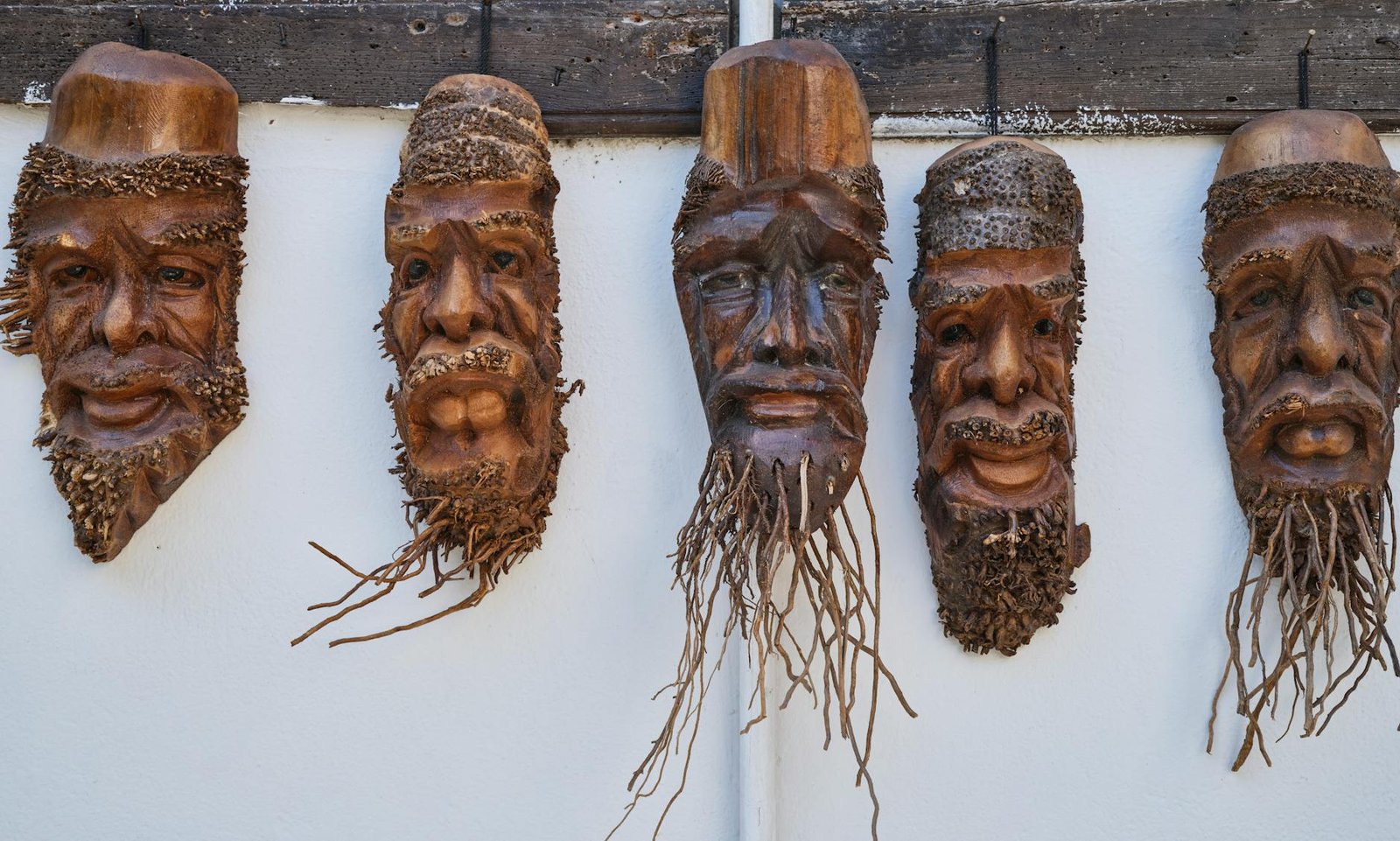
An unprecedented chapter in African heritage restitution unfolded recently when Bordeaux authorities made a bold legal move involving 53 artworks from multiple African nations. On June 1, 2026, the city’s municipal council officially declined a bequest that would have permanently integrated these pieces into the Musée d’Aquitaine’s public collections. This decision, while appearing contradictory, serves as a crucial legal maneuver to bypass France’s strict principle of inalienability of public collections.
Under current French law, any object once added to a public museum’s permanent collection becomes virtually untouchable. By refusing the bequest before it could be legally incorporated, Bordeaux maintains the flexibility needed to arrange direct transfers to requesting nations. The Gabonese Republic emerges as the primary beneficiary of this operation, with 33 works slated for eventual return to Libreville.
Innovative legal strategy unlocks restitution pathways
This Bordeaux initiative demonstrates how municipal governments can creatively address restitution demands that lack comprehensive national legislation. Since the 2018 Sarr-Savoy report highlighted colonial-era acquisitions, the restitution debate has gained significant traction, though concrete implementation remains piecemeal. Each restitution case requires either specific legislation or tailor-made legal solutions. Bordeaux’s approach provides an alternative route that maintains institutional control while facilitating transfers.
The strategy reflects more than just municipal policy—it represents a conscious political reckoning with colonial heritage. Bordeaux, whose 18th-century prosperity was inextricably linked to the Atlantic slave trade, has in recent years intensified memory-related initiatives. This June decision continues that trajectory, moving beyond symbolic gestures to establish concrete legal precedents.
Gabon’s cultural sovereignty gains momentum
For Libreville, the return of these 33 works transcends mere cultural enrichment. The pieces—including masks and reliquaries of Fang, Punu, Kota, and Tsogho provenance—represent vital components of Gabon’s cultural identity. Notably, Kota reliquary statuettes command premium prices at international art markets, frequently selling for hundreds of thousands of euros, underscoring their immense patrimonial and commercial value.
Since the August 2023 regime change, Gabon has prioritized cultural sovereignty as a cornerstone of national communication. The reclamation of colonial-era expropriated artworks aligns perfectly with this narrative. However, the operational timeline remains uncertain. While Bordeaux’s refusal initiates the process, it doesn’t finalize it. French authorities must still define the transfer framework, while Gabonese counterparts must prove their capacity to receive, preserve, and display these works according to international museum standards.
Potential model for future restitutions across France
This Bordeaux precedent could inspire similar initiatives in other French cities grappling with restitution requests. Urban centers like Marseille, Lyon, Nantes, and La Rochelle house colonial-era collections with ambiguous legal statuses. The Girondin model offers a replicable solution, provided the bequests haven’t yet been formally integrated into public collections. For African nations seeking restitution, this pathway presents a faster alternative to parliamentary decree processes.
The implications extend far beyond Gabon’s borders. Senegal, Benin, Côte d’Ivoire, and Cameroon are closely monitoring Bordeaux’s legal innovation. While France’s 2021 restitution of 26 royal treasures to Benin required specific legislation, Bordeaux’s more discreet approach may ultimately prove more efficient for processing thousands of African objects still dispersed across French museums. The Gabonese dossier now stands as a critical test case for patrimonial diplomacy between Paris, French municipalities, and African chancelleries.