
Burkina Faso adopts ‘comrade’ in public administration
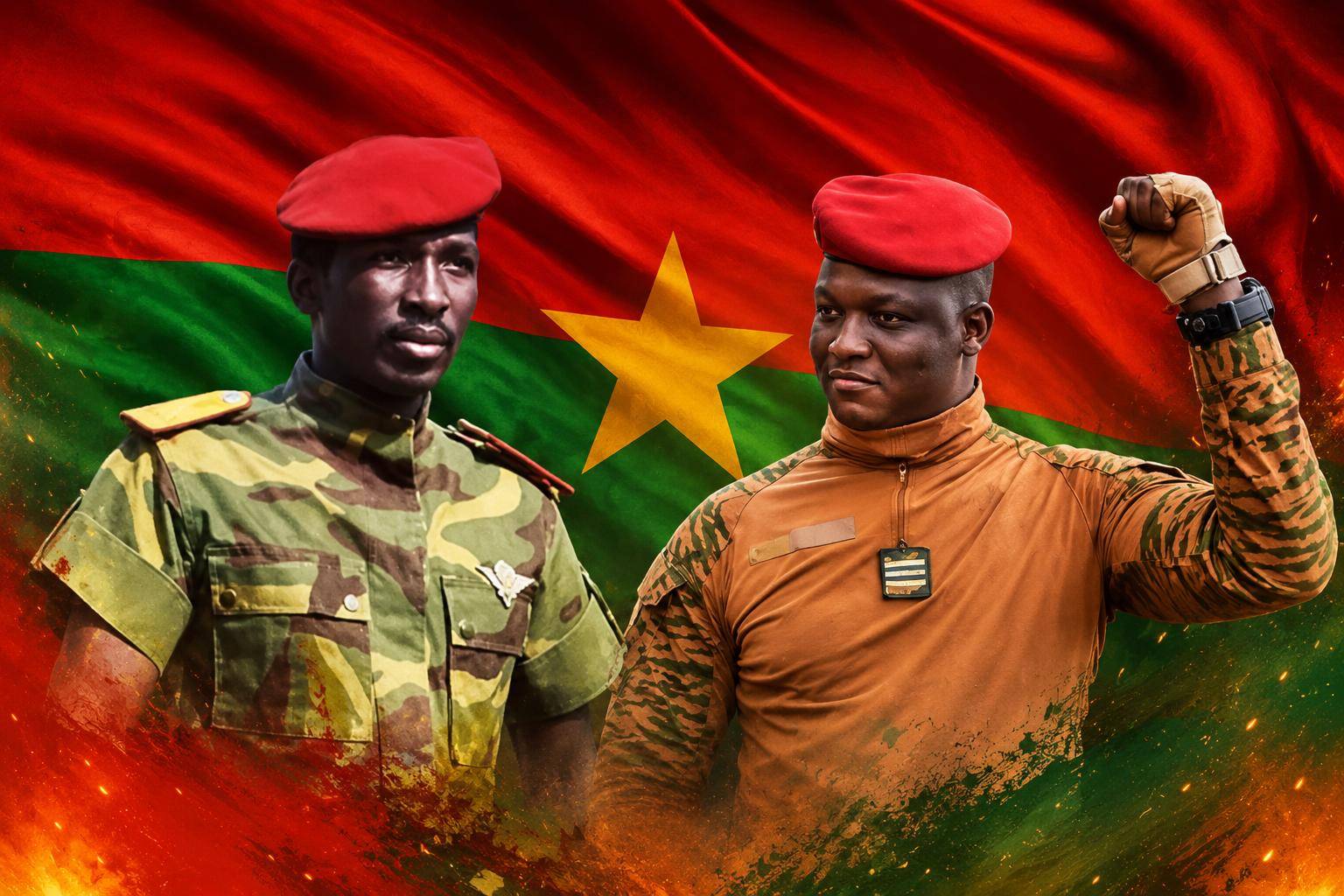
The Burkina Faso public administration has entered a new phase in its ideological restructuring. Effective June 1st, all government agencies are now required to address citizens and service users as « Comrade », replacing the traditional « Monsieur » and « Madame ».
a symbolic shift in governance
This decision reflects the transition government’s broader vision, led by Captain Ibrahim Traoré, as part of the progressive and popular revolution currently underway. The move represents a deliberate departure from colonial-era administrative norms, aiming to redefine the relationship between the state and its people.
The initiative is framed around three core objectives:
- Eliminating Hierarchies: Removing formal barriers between civil servants and the public to foster closer engagement and mutual respect.
- Strengthening National Cohesion: Encouraging a collective identity rooted in equality to address the country’s most pressing challenges.
- Affirming Sovereignty: Rejecting Western politeness conventions perceived as remnants of colonial or elitist culture.
echoes of sankara’s revolutionary legacy
Political analysts note the deliberate revival of the « Comrade » terminology, a hallmark of Captain Thomas Sankara’s Democratic and Popular Revolution (1983–1987). The term was central to Sankara’s rhetoric, symbolizing unity and egalitarianism among citizens.
« By reintroducing this language, the current leadership seeks to harness the historical and moral authority of Sankara, » explains a regional political scientist. « His legacy remains a powerful symbol of resilience and justice for Burkina Faso’s youth. »
This ideological return has coincided with other transformative policies, including revisions to the transitional charter, enhanced endogenous development initiatives, and a strategic reassessment of regional and international alliances.
mixed reactions across the nation
The directive has elicited varied responses from different segments of society:
support from regime backers
Proponents of the transition government praise the measure as a patriotic and long-overdue correction to administrative elitism. They argue that it places citizens at the forefront of public service, fostering a sense of shared purpose during a period of national crisis.
skepticism from critics and opposition
Detractors view the change as an excessive focus on symbolic gestures. They contend that immediate priorities—enhancing security, addressing internal displacement, and combating terrorism—should remain the government’s central concerns.
operational challenges for civil servants
Within ministries and local administrations, public officials face practical hurdles as they adapt to the new requirements. Documents, correspondence, and in-person or telephone interactions must now align with the updated protocol. The transition has placed significant short-term demands on staff to internalize and implement these reforms.
As Burkina Faso grapples with profound security and humanitarian challenges, the government is banking on the transformative power of language to unify the nation. Whether this symbolic shift will translate into lasting cohesion remains an open question for observers.