
The Baku agreement: a vital economic lifeline
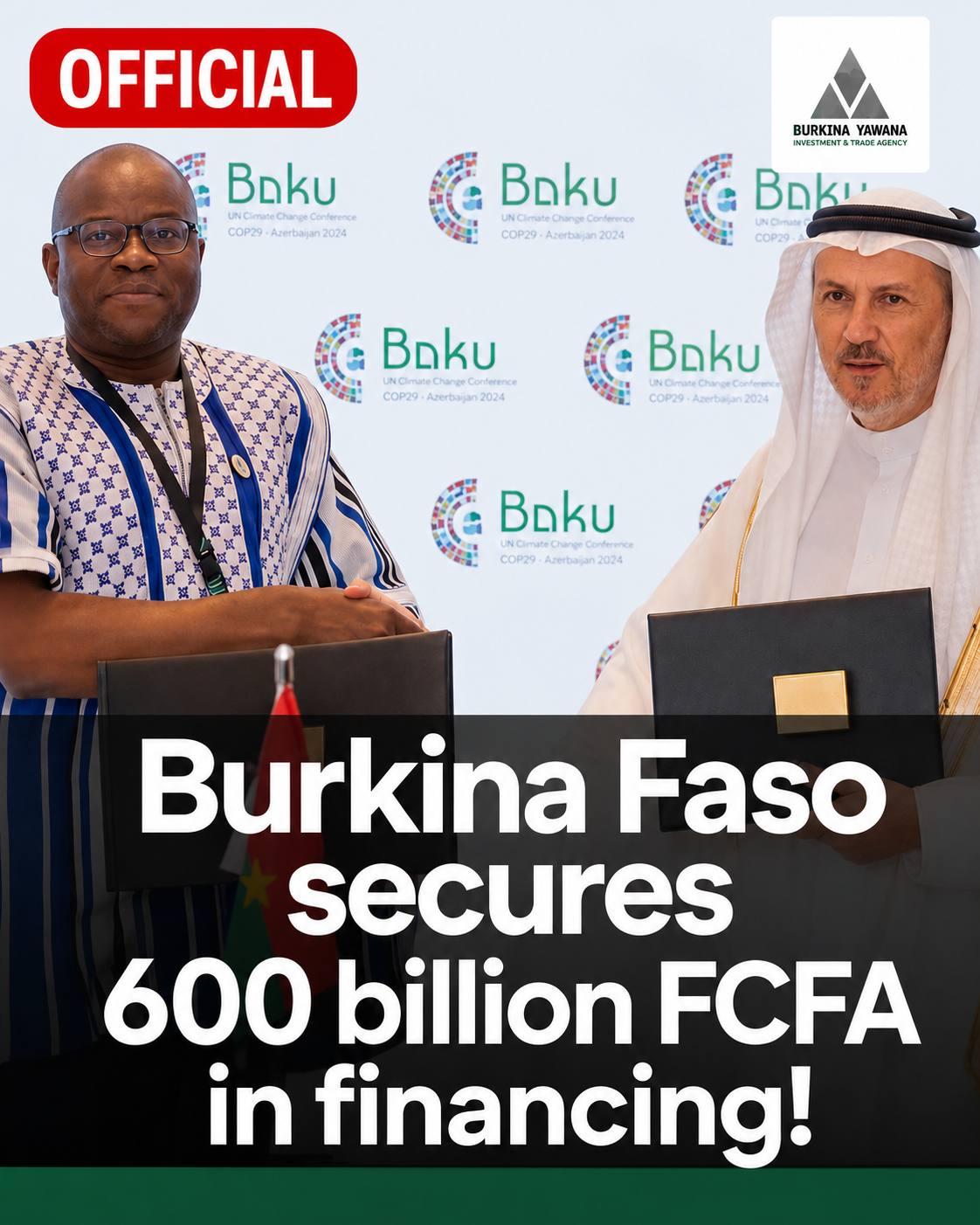
During a recent diplomatic mission to Baku, Minister Aboubakar Nacanabo finalized a significant financing arrangement with the International Islamic Trade Finance Corporation (ITFC). This strategic capital injection is designated to bolster key sectors of the Burkina Faso economy, specifically targeting the procurement of hydrocarbons, essential grains, and agricultural fertilizers, while also providing necessary support to small and medium-sized enterprises (SMEs).
While this partnership was solidified far from the domestic spotlight in Azerbaijan, its implications for the daily lives of citizens are profound. By securing these funds, the government ensures a steady supply of basic commodities. This financial backing is indispensable for maintaining agricultural productivity through fertilizer availability and for stabilizing domestic energy costs.
Rhetoric versus financial necessity
This transaction highlights a growing discrepancy between official discourse and economic practice. For some time, governmental messaging has emphasized a development model purportedly financed exclusively through internal resources. The popular sentiment suggesting an absence of external credit has become a cornerstone of national pride, yet it appears increasingly at odds with the complexities of global economic diplomacy.
The paradox is evident: while the national narrative promotes total independence from external aid, the state continues to engage in substantial financing agreements on the international stage. This reliance on foreign capital to sustain essential services raises questions about the transparency of the nation’s fiscal health.
The implications of hidden debt
The narrative of “zero debt” provides a temporary sense of security but may lead to significant long-term consequences. By downplaying the necessity of international loans, the true extent of national indebtedness remains obscured from the public. There is a tangible risk that the future financial burden will be as restrictive as in previous eras, despite the current emphasis on self-reliance.
Ultimately, economic principles remain indifferent to political slogans. While the ambition to fund national progress through domestic effort is commendable, the current stability of Burkina Faso remains heavily dependent on the formalization of these international financial accords.