Burkina Faso gold sector: balancing sovereignty and geopolitical risks
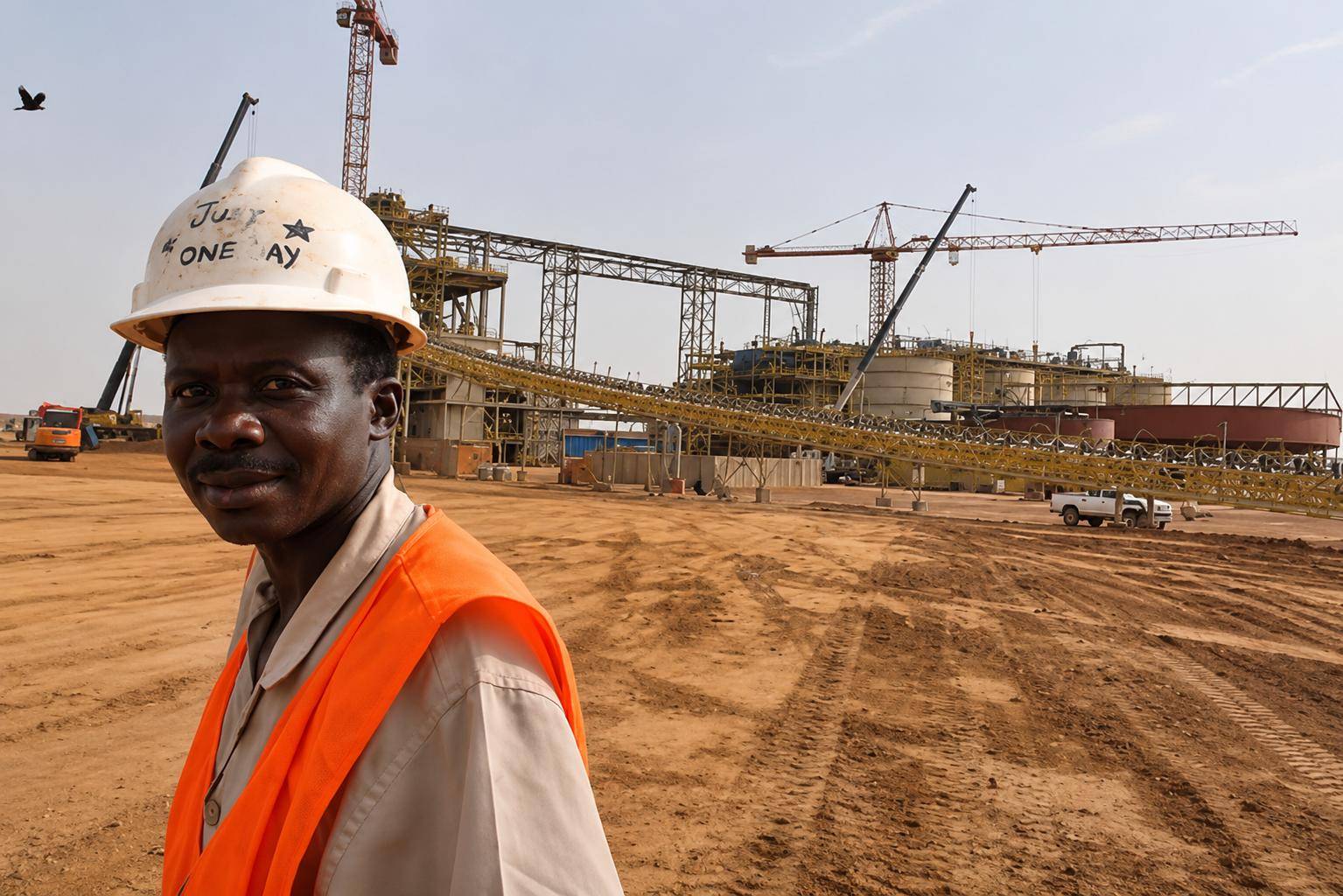
Burkina Faso is undergoing a sweeping transformation in how it manages its gold industry. With the establishment of the National Precious Metals Company (SONASP) in 2023 and the launch of local infrastructure projects—including the national gold refinery in Ouagadougou—the interim government has set a bold agenda: reclaiming control over the entire value chain of the yellow metal to strengthen economic sovereignty.
Yet, beneath the rhetoric of autonomy and the impressive first-half performance—with dozens of tons of gold officially entering the market—the national strategy faces deep structural paradoxes and rising geopolitical tensions. The path to economic independence is fraught with both opportunities and pitfalls.
Breaking old ties, forming new dependencies
The current mining policy hinges on reshaping international partnerships. By awarding mining permits to foreign firms, particularly Russian companies like Nordgold, authorities aim to diversify the mining landscape and reduce reliance on traditional actors.
But this pivot raises critical questions:
- New strategic vulnerabilities: Swapping long-standing partners for entities linked to specific geopolitical blocs may expose Burkina Faso to fresh dependencies, potentially compromising future decision-making flexibility.
- Transparency and governance hurdles: The true test lies in the ability of oversight bodies such as BUMIGEB and SONASP to enforce strict traceability and ensure that local communities—especially in artisanal and industrial mining zones—benefit directly. This challenge is compounded by a fragile security environment that continues to disrupt both small-scale and large-scale operations.
Gold reserves and geopolitical shadows
A recent controversy over rumors that a portion of Burkina Faso’s national gold reserves might be shipped or stored in the Russian Federation has highlighted the underlying risks of sovereign asset management. Although the Ministry of Economy and Finance swiftly dismissed the claims as misinformation, the episode underscores the dangers of externalizing control over a strategic resource.
Key concerns include:
- Liquidity and legal exposure: Storing gold reserves with a country under international sanctions and banking restrictions risks weakening Burkina Faso’s financial liquidity and exposing its assets to legal uncertainty.
- Erosion of sovereignty: Gold remains a nation’s ultimate financial safeguard. Transferring physical reserves abroad—especially amid volatile geopolitics—contradicts the very goal of achieving full sovereign control over national wealth.
Local refining: a step forward with unresolved challenges
The inauguration of the national gold refinery in Ouagadougou marks a symbolic victory for local value addition. Yet, operational and economic uncertainties remain:
- Supply chain integrity: Ensuring a steady flow of raw gold to the refinery depends on curbing widespread fraud in artisanal mining sites, many of which lie in insecure regions.
- Real benefits for communities: Beyond boosting state revenues, the mining sector must foster sustainable job creation and catalyze local infrastructure development to translate economic gains into tangible progress for citizens.
The government’s push to shift more mining revenue toward the state is understandable given national priorities. To sustain this sovereignty in the long term, however, Burkina Faso would be wise to prioritize transparent institutions, secure internal management of national reserves, and robust domestic infrastructure—over venturing into complex external geopolitical arrangements that could undermine its own strategic goals.