Gabon faces sharp drop in electricity output in early 2026
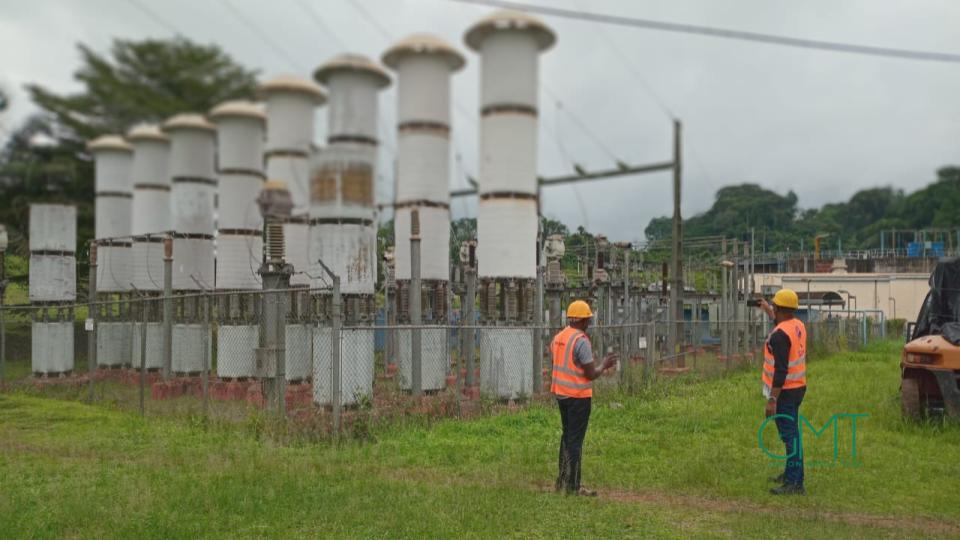
The Gabonese electricity sector has recorded a dramatic decline in production during the first quarter of 2026, with output plummeting by 13.2% compared to the previous quarter and 20.1% year-on-year. This alarming trend, detailed in the latest Sectoral Conjuncture Report from the Directorate General of Economy and Fiscal Policy (DGEPF), exposes a deep-rooted systemic vulnerability that citizens have long endured.
The document identifies recurrent mechanical failures as the primary culprit behind this collapse. These breakdowns stem from a critical lack of allocated resources for routine maintenance—a chronic issue that has plagued the national power grid for years. Administrative language often obscures harsh truths, but in this case, the reality is clear: years of underfunded upkeep have taken their toll.
When essential investments are delayed and repairs are made only when absolutely necessary, the infrastructure inevitably buckles under the weight of neglect. The consequences extend far beyond darkened homes and silent appliances. The report warns of a cascading crisis: frequent electricity shortages are now disrupting water supply across the country. Mechanical seal leaks, repeated pump failures, and pressure surges from unstable power flows are accelerating the wear on already strained systems. This domino effect reveals a dangerous interdependence between two vital utilities.
How power cuts ripple through daily life
The repercussions of this energy crisis are no longer confined to households. Water treatment and distribution plants, dependent on a steady power supply, are now operating at reduced capacity. Compromised water quality and supply disruptions are becoming more frequent, directly impacting thousands of families. This crisis underscores how interconnected essential services have become—when one pillar falters, the other collapses in tandem.
Without an immediate and sustained intervention to modernize the aging infrastructure, the country risks deepening a cycle of widespread breakdowns. The current trajectory points toward a future where blackouts and water shortages become the norm rather than the exception, threatening both public health and economic stability.