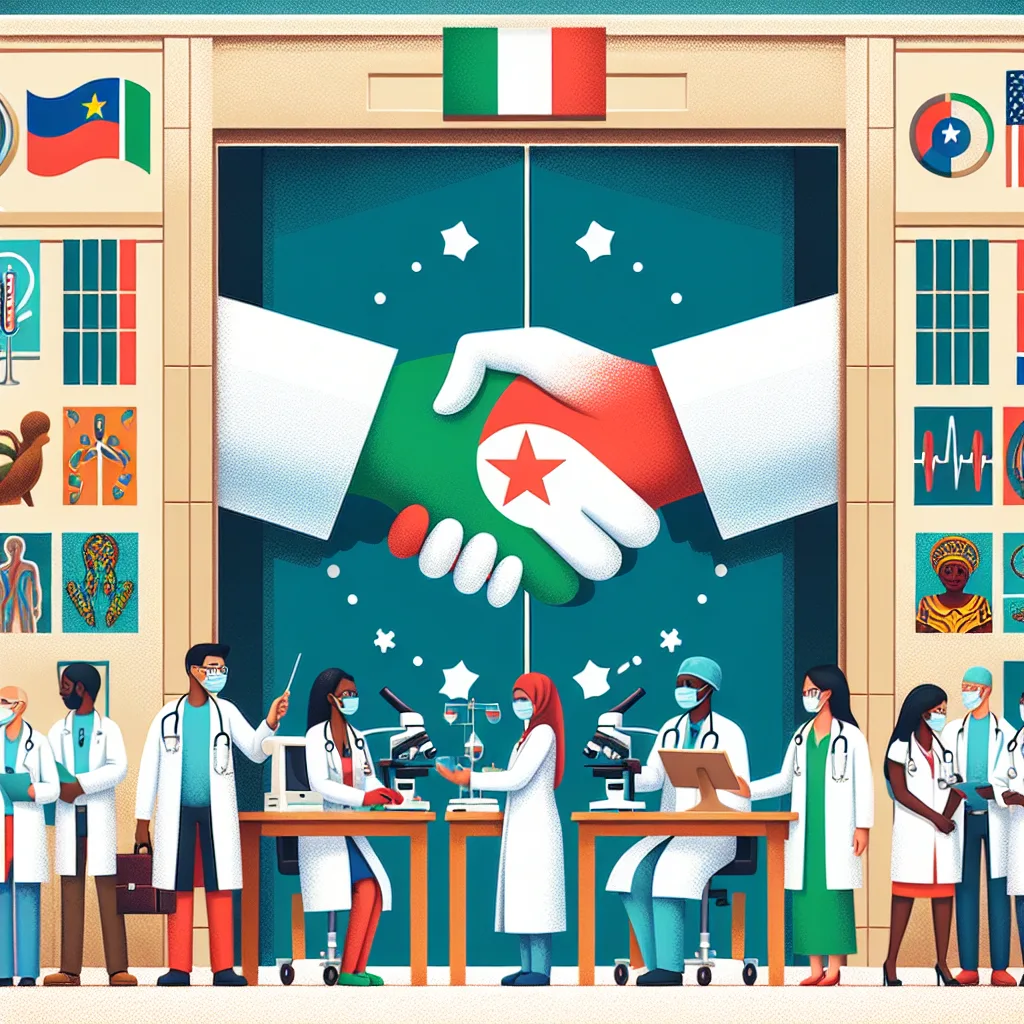

United States–Burkina Faso: a health agreement to bolster health security in the Sahel region.
A five-year memorandum of understanding has been unveiled, elevating health security to a shared priority. This framework is designed to empower Burkina Faso with self-sufficient tools to confront infectious disease threats, simultaneously safeguarding the American populace. It champions a vision of local resilience, fostering robust, locally managed health systems. This bilateral cooperation is structured with clear objectives, dedicated resources, and consistent oversight. Within the challenging regional context of the Sahel, the overarching goal is to proactively anticipate, detect, and swiftly respond to epidemics.
a strategic and pragmatic partnership
This cooperative effort is meticulously planned for long-term engagement and to deliver quantifiable outcomes. Coordination mechanisms will be activated to harmonize national priorities with external support. Responsibilities will be mutually shared, while a strong emphasis will be placed on transparent expenditure. Through multi-year planning, programs will achieve stability, allowing for thorough impact assessment. A performance-driven approach is prioritized, featuring defined health targets and closely monitored indicators.
sustained and targeted funding
Significant financial backing has been earmarked to amplify efforts against HIV/AIDS, malaria, and other infectious diseases. These resources will be channeled into prevention, diagnosis, and patient care, with a keen focus on operational efficiency. Concurrently, an increased national commitment has been announced to boost public health spending. This local empowerment is crucial for consolidating ownership and ensuring the sustainability of achievements. A dedicated portion of funds will be allocated for emergency preparedness and response.
clarified public health priorities
A comprehensive roadmap has been established to concentrate actions on initiatives promising substantial health returns. The fight against malaria will continue through targeted campaigns, insecticide-treated bed nets, and expanded access to rapid diagnostic tests. The response to HIV/AIDS will be strengthened via combined prevention strategies, continuous care, and therapeutic adherence. Maternal and child health services will be integrated into community-level care to minimize disruptions in patient journeys.
modernizing epidemiological surveillance
Early detection of infectious threats is a central pillar of this agreement. Digital platforms will be leveraged to accelerate notification, enhance data reliability, and inform decision-making. Alert systems will be interoperable, enabling proportionate responses to emerging threats. Training sessions will be provided to elevate the quality of reporting and case traceability. This modernization aims to swiftly contain outbreaks and reduce human costs.
enhanced laboratory capabilities
Laboratory capacity will be augmented to reliably identify pathogens. Appropriate equipment will be supplied, and harmonized protocols will be adopted. Reference networks will be consolidated to expedite confirmations and facilitate expertise sharing. Regular audits will be conducted to ensure quality, biosafety, and equipment maintenance. These enhancements will reduce diagnostic turnaround times and optimize patient management.
strengthening community-level healthcare
Community health workers will form the backbone of this healthcare framework. Their pivotal role is emphasized to bring prevention, screening, and treatment closer to the population. They will receive essential tools, ongoing training, and supervision. Care pathways will be streamlined to reduce patient attrition. Additionally, information campaigns will be conducted to promote protective health behaviors and access to vital services.
sustainable integration of health personnel
Following the agreement’s duration, the integration of frontline personnel funded by partners into the public health service is planned. This transition is designed to prevent service interruptions and stabilize healthcare provision. Laboratory technicians will also be upskilled to reinforce local expertise. This strategic choice aims to build a resilient system founded on national competencies, ensuring better talent retention and clearer governance.
national ownership and enhanced accountability
Burkina Faso’s ownership is established as a guiding principle. Budgetary priorities will be adjusted to secure social and health investments. Monitoring frameworks will be implemented to measure results, correct discrepancies, and share lessons learned. Joint accountability will be pursued to guarantee the judicious use of funds. Furthermore, regular consultations with local stakeholders will be fostered.
anticipated regional impact
The regional dimension has been integrated to prevent the cross-border spread of epidemics. Information exchange will be facilitated with neighboring countries and technical bodies. Joint simulation exercises will be organized to test emergency response plans. By strengthening a pivotal country in the Sahel, a positive ripple effect is sought across the region. Supply chains will also be secured to ensure the smooth delivery of essential inputs.
navigating the political landscape
The period of military transition has been considered to anchor actions within institutional stability. Health programs will be shielded from political uncertainties through continuity plans. Technical and financial partners will collaborate with health authorities to maintain the neutrality of services. This approach aims to preserve access to essential care, even during phases of political reorganization.
a coherent american health strategy
The America First Global Health Strategy underscores the link between health security and system resilience. Numerous bilateral commitments have already been forged across Africa to enhance prevention and response efforts. This coherence aims to facilitate alignment of support, avoid duplication, and accelerate results. In practice, synergies will be sought between vertical initiatives and horizontal system strengthening.
measuring and sharing results
Clear indicators will be tracked to evaluate service coverage, quality of care, and expenditure efficiency. Dashboards will be utilized to guide decisions, adjust priorities, and document impact. Best practices will be disseminated to inspire other programs throughout the Sahel. Ultimately, a sustained reduction in preventable infections and maternal and infant deaths is the target.
positive outlook for citizens
Tangible benefits are anticipated for households through more reliable local services. Shorter diagnostic times, increased availability of inputs, and improved health information are expected to boost public trust. Concurrently, protection mechanisms for the most vulnerable populations will be reinforced. With appropriate resources and vigilant governance, a trajectory of sustainable progress is within reach for Burkina Faso.