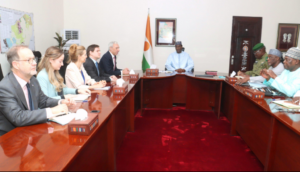

Since assuming office, Captain Ibrahim Traoré has framed his leadership as a pivotal moment for Burkina Faso, heralding a transformative era marked by national renewal, accelerated industrialization, and the full recapture of national territory. These declarations, amplified by state-aligned media, paint a picture of an “eldorado” in the making—one rooted in sovereign progress and popular revolution. Yet, beneath the rhetoric of a new dawn, the lived experience of countless Burkinabè tells a markedly different story, one defined by persistent insecurity, economic hardship, and unmet expectations.
Security and governance: the enduring shadow of instability
The promise of a secure and sovereign Burkina Faso remains elusive. Despite official assurances of territorial consolidation and national resilience, violent attacks continue to destabilize several regions, displacing tens of thousands of families. The resulting humanitarian crisis has forced communities to flee their homes, seeking refuge in safer zones or across borders, often under precarious conditions. The loss of life, the disruption of livelihoods, and the strain on limited resources underscore a reality far removed from the image of stability being promoted.
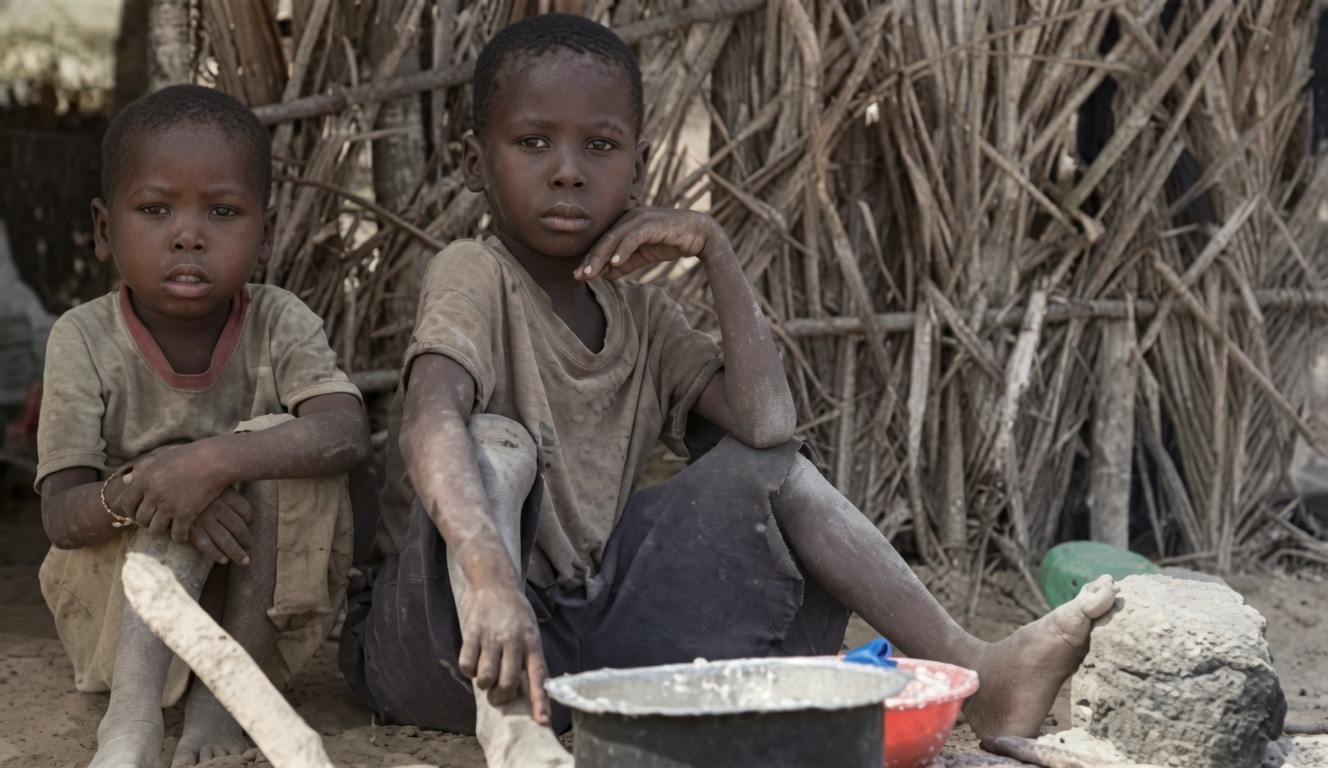
In areas where state presence is weak due to ongoing insecurity, civilian populations face dire shortages of food, medical care, and essential services. Agricultural production has been crippled by displacement and restricted access to farmlands, while supply chains remain fragile. Humanitarian aid, when it reaches these isolated communities, often arrives too late or in insufficient quantities, leaving many in a state of chronic vulnerability.
Economic expectations and the gap between promise and delivery
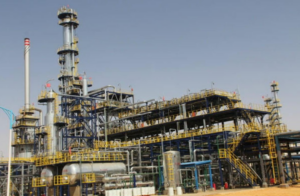
The narrative of economic transformation has centered on accelerated industrialization and endogenous development, positioning Burkina Faso as a rising model of self-reliance. While select infrastructure projects have been initiated, their scale and impact do not align with the sweeping claims of nationwide progress. For the average citizen, the tangible benefits of these initiatives remain distant, overshadowed by rising living costs, limited employment opportunities, and the persistent strain of economic uncertainty.
Public discourse has emphasized the need for economic sovereignty and self-sufficiency, a message that resonates with nationalist sentiments. However, skepticism grows as the gap widens between ambitious announcements and the daily struggle to secure basic needs. The promise of industrial revival has yet to translate into visible job creation or improved living standards, leaving many to question the practical outcomes of the government’s vision.
Public sentiment: from hope to disillusionment
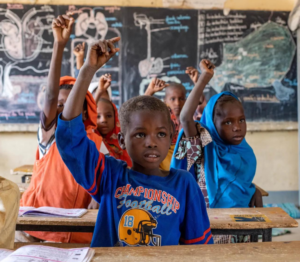
Initial enthusiasm for the transition leadership has given way to growing impatience among the population. While some continue to endorse the discourse of sovereignty and revolutionary progress, others are increasingly vocal about their demand for concrete results. Security, employment, economic stability, and access to reliable public services top the list of priorities for ordinary Burkinabè. These expectations, once buoyed by hopeful rhetoric, now weigh heavily as unfulfilled promises accumulate.
The assertion that Burkina Faso has decisively moved past the challenges of previous eras is met with widespread skepticism. A nation’s development cannot be measured solely by political slogans or the launch of isolated projects. It is the collective improvement in living conditions, the restoration of peace, and the responsiveness of institutions that truly define progress. Until such outcomes materialize, the portrayal of Burkina Faso as an “eldorado” risks being dismissed as mere political posturing rather than a reflection of reality.
In this context, the challenge facing the current leadership is not the articulation of grand visions, but the delivery of tangible improvements that restore public trust and address the pressing needs of the population.