Burkina Faso’s gold refinery RAFFINOR-BF: a decisive leap or a new form of dependence?
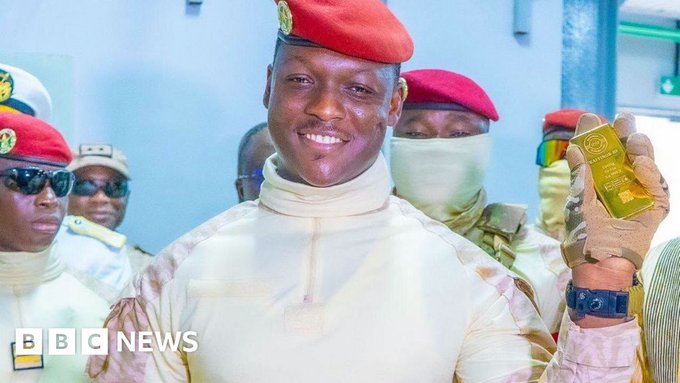
On 28 September 2026, Ibrahim Traoré officially inaugurated RAFFINOR-BF, Burkina Faso’s first national gold refinery, in Ouagadougou. The project marks a decisive turning point in the country’s long-stated ambition to process its gold domestically and retain a greater share of the value generated by its mining resources. With an initial capacity announced at 164 tonnes per year and the potential to scale up to 515 tonnes, the refinery represents an investment exceeding 11 billion CFA francs. President Traoré has repeatedly stressed his determination to control the entire value chain within national borders.
Yet this landmark moment raises a critical question: where will the refined gold ultimately be stored, and who will oversee the successive stages of refining, storage, certification, marketing and financial management of the reserves? The inauguration may signal a new era of economic sovereignty, but the answers to these questions will determine whether that promise holds.
A breakthrough in economic sovereignty
The launch of RAFFINOR-BF is presented by the authorities as a major step forward in Burkina Faso’s quest to add value to its gold locally. The refinery is designed to transform and enhance the country’s gold output directly on national soil, reducing reliance on foreign processing facilities. The initial capacity of 164 tonnes per year, with a planned increase to 515 tonnes, underscores the scale of the ambition. The investment, which surpasses 11 billion CFA francs, reflects a significant commitment to industrialising the mining sector.
President Ibrahim Traoré has personally emphasised the goal of mastering the full value chain, from extraction to final product. This vision aligns with a broader push across the Sahel region to assert greater control over natural resources and capture more of the economic benefits within national economies.
The unresolved question of gold storage
Despite the fanfare surrounding the inauguration, a more sensitive issue remains: the physical location where the refined gold will be kept and who will manage the various stages between refining, storage, certification, commercialisation and the financial administration of reserves. The controversy erupted following reports in June 2026 suggesting that Burkina Faso had reached an agreement with a “Moscow bank” to store its gold reserves in Russia.
The rapprochement between Ouagadougou and Moscow is well documented. The two countries have strengthened cooperation across multiple sectors, with bilateral discussions focusing on economic, mining and energy matters. This growing partnership adds weight to concerns that the full chain of possession and conservation of Burkina Faso’s gold may not remain under national control.
RAFFINOR-BF and the Russian connection
While RAFFINOR-BF does include a secure storage area on national territory, publicly available information indicates that the gold could subsequently be transferred and stored in Russia. This prospect casts a shadow over the refinery’s stated purpose. The question of sovereignty thus takes on a new dimension: is Burkina Faso genuinely asserting control over its resources, or is it merely shifting dependence from one foreign power to another?
Critics have framed the situation in stark terms, asking whether this signals the birth of a new form of colonisation. Others have gone further, accusing President Traoré of deceiving the Burkinabè people. The inauguration, therefore, is not just a technical milestone but a political turning point that will be judged by the transparency and national control of the entire gold value chain.