Benin’s UN stand: a turning point for Sahel security cooperation
A decisive diplomatic moment in New York
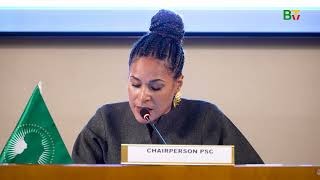
Benin used the closing day of the general debate at the 81st session of the UN General Assembly to deliver a message that marks a clear shift in its approach to regional security. Foreign Minister Corinne Amori Brunet took the podium alongside the permanent mission led by Ambassador Marc Hermanne Araba, Benin’s permanent representative to the United Nations.
The timing of the address carried particular weight. The head of Benin’s diplomacy spoke immediately after the delegations of Mali, Burkina Faso and Niger had delivered their own statements — a sequence that placed Cotonou’s position squarely within the wider Sahel conversation.
From words to action: a doctrine already at work
The speech came as Benin nears the end of its chairmanship of the African Union’s Peace and Security Council. Rather than offering abstract pledges, the address laid out a comprehensive security doctrine that Cotonou is already putting into practice at home and across the region.
Operation Mirador: holding the line at the northern border
Under pressure from armed terrorist groups along the northern frontier, Benin has launched Operation Mirador. This preventive and defensive military deployment is designed to lock down the Pendjari and W national parks while protecting rural communities. The army is backing this effort with a strengthened territorial network, recruiting and training large numbers of new security personnel to close the operational gaps that violent groups have exploited.
The Accra Initiative: regional cooperation in practice
On the diplomatic and military front, Benin remains one of the driving forces behind the Accra Initiative, working alongside Ghana, Togo, Côte d’Ivoire and the Sahel countries. This mechanism translates the principles defended at the UN into concrete action on the ground:
- Sharing tactical intelligence: regular, direct exchanges between intelligence services to track cross-border movements.
- Joint operations: coordinated actions on both sides of borders to prevent armed groups from retreating from one territory into another.
Social prevention and development in border areas
For Cotonou, a security response cannot be purely military. Through the Beninese Agency for Integrated Management of Border Areas (ABeGIEF), the state is investing directly in basic infrastructure in the north of the country — schools, water points, health centres and rural roads. The goal is to curb the feeling of abandonment, strengthen the resilience of marginalised communities and cut extremist recruitment networks off at the root.
Community security and early warning
The Beninese government is placing its bets on strengthening the army-nation bond. Through citizen alert mechanisms and dedicated hotlines, local populations are brought into the preventive intelligence chain. This inclusive approach aims to build the mutual trust that is essential to countering the infiltration of clandestine networks.
A doctrine summarised in one message
In a tense regional context, the advocacy carried to New York by Benin’s delegation amounts to a clear doctrine: combine operational firmness at the borders, socio-economic investment in local populations and pragmatic multilateral cooperation with all neighbouring partners.