
Cameroon flags fraudulent tanker tagor as ghost fleet vessel
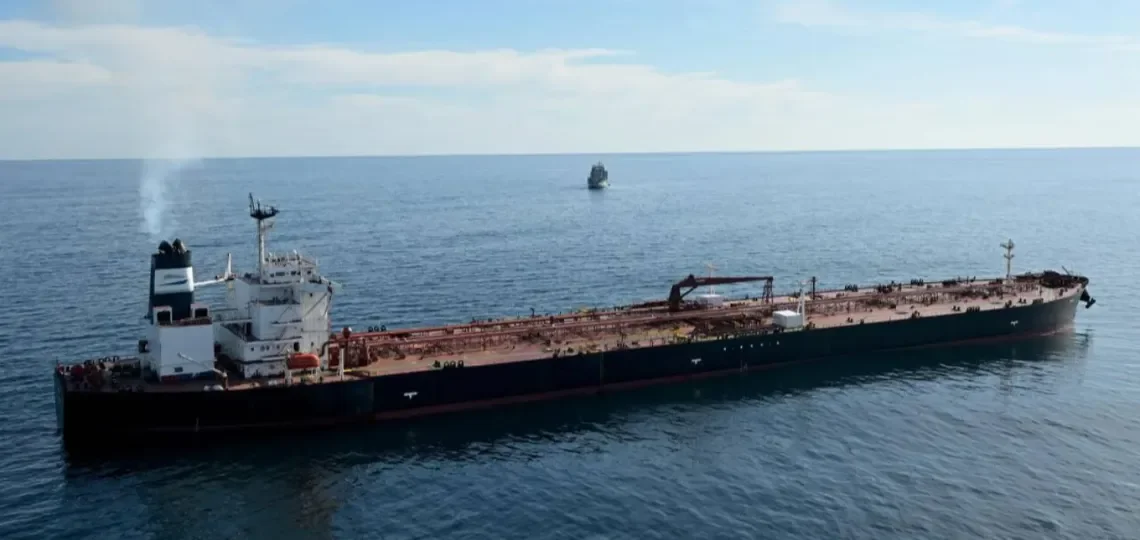
Cameroon flags fraudulent tanker Tagor as ghost fleet vessel
A Cameroonian-flagged tanker, suspected of operating under a falsified registration, was intercepted off the coast of Brittany and redirected to France for investigation.
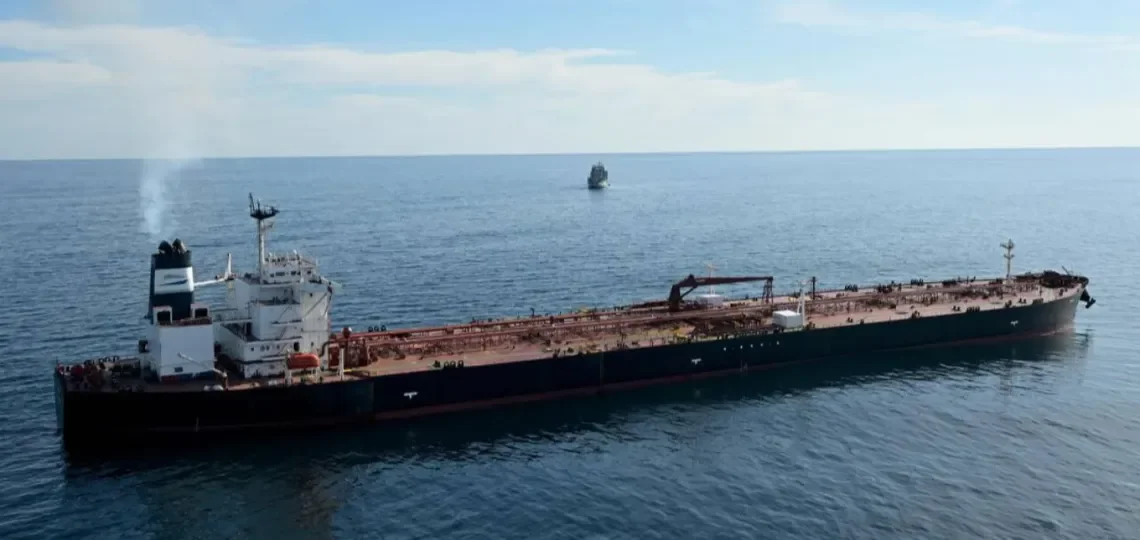
The vessel Tagor, sailing under questionable Cameroonian registration, was intercepted on May 31 around 400 nautical miles west of Brittany. Authorities suspected it of evading sanctions by misrepresenting its flag. Departing from Murmansk, Russia, and allegedly heading toward Limbe, Cameroon, the tanker underwent a flag verification procedure at sea under international maritime law.
French naval forces escorted the vessel to a French port for further inspection, marking another case in ongoing efforts to clamp down on illicit maritime operations.
Yaoundé rejects fraudulent flag use
Cameroon’s Ministry of Transport issued a formal statement, confirming that the Tagor does not appear in the country’s official vessel registry. Transport Minister Jean Ernest Masséna Ngalle Bibehe denounced what he called “the abusive and fraudulent appropriation” of Cameroonian maritime symbols and urged stronger international action against such practices.
Yaoundé also emphasized its commitment to overhauling and securing its vessel registration system to prevent future misuse. The incident underscores the persistent challenge of protecting national maritime identity from exploitation by sanctions-evading fleets.
France intensifies crackdown on ghost fleet operations
Maritime authorities confirm this is the fourth interception of a suspected ghost fleet tanker off European waters since September 2025. After boarding and inspection, the case was handed over to the Brest public prosecutor’s maritime division for judicial review.
The Tagor has been held in the bay of Douarnenez, in Finistère, since June 2, while authorities investigate its true ownership and intended route. The growing frequency of such interceptions reflects Europe’s stepped-up enforcement against oil smuggling networks that bypass global sanctions.