
Cameroun: political tensions rise over Paul Biya’s prolonged absence
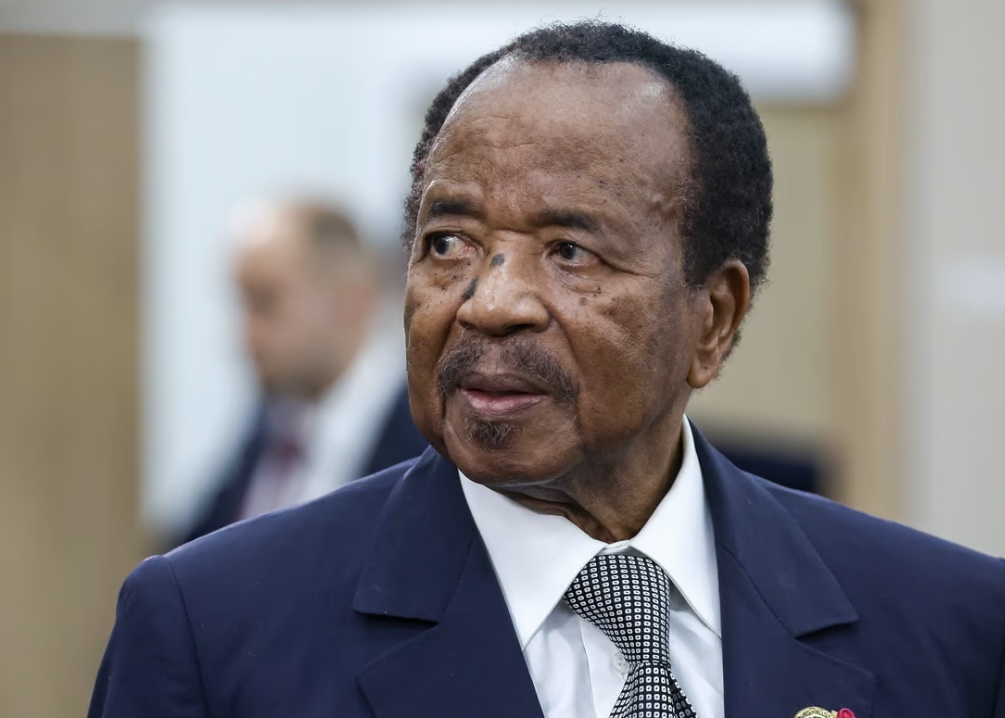
The Rassemblement démocratique du peuple camerounais (RDPC) convened a high-level meeting of its top officials this week, marking 45 days since President Paul Biya departed for a private trip to Europe. No official update has been issued regarding his anticipated return, fueling speculation and political debates.
While the ruling party insists on the smooth functioning of state institutions, opposition leaders are growing increasingly vocal, demanding transparency about the president’s whereabouts and the mechanisms in place for prolonged presidential absences. The RDPC’s secretary-general, Jean Nkuete, issued a brief statement calling the gathering an “important working session,” though the agenda and purpose remain undisclosed. The president, now 93 years old, left Cameroon on June 7, with the civil cabinet citing a “short private stay” in Europe—yet no return date has been confirmed.

As weeks pass without clear communication, tensions escalate. The RDPC has taken steps to counter rumors, with party propaganda chief Christophe Mien Zok publishing an editorial in the state newspaper L’Action on July 15. He dismissed claims of a “pilotless” government, declaring, “The lion has not left,” and asserting that power remains firmly in place. Meanwhile, official presidential channels continue to release statements attributed to Biya, including greetings to foreign leaders like France’s President Macron and the Montenegrin head of state, though no public engagements have been reported since his departure.
Opposition voices demand accountability
The prolonged absence has reignited calls for clarity. Opposition lawmaker Jean-Michel Nintcheu has urged the Constitutional Council to declare a presidential vacancy. Meanwhile, the Union démocratique du Cameroun (UDC) treads cautiously, avoiding assumptions about Biya’s personal situation but emphasizing that national stability cannot hinge on silence or conjecture. In a July 18 statement, the party acknowledged that an extended stay abroad does not automatically constitute an absence of power, while stressing the need to examine the practical exercise of presidential duties and the legal procedures for temporary incapacitation.
Constitutional gaps fuel uncertainty
Cameroon’s legal framework offers little guidance on presidential absences abroad, with no maximum duration specified. Analysts argue this ambiguity warrants institutional review, yet no mechanism exists to trigger a constitutional review based on time elapsed. The UDC also highlights another unresolved issue: the vice-presidency, reintroduced in a constitutional amendment this April, remains unfilled. The party advocates for legal reforms to clarify procedures in cases of extended presidential absence. Since assuming office in 1982, Biya has made frequent trips to Europe, but his current stay is the longest on record—with no official indication of when he may return.