
Burkina Faso military cohesion tested under Ibrahim Traoré’s leadership
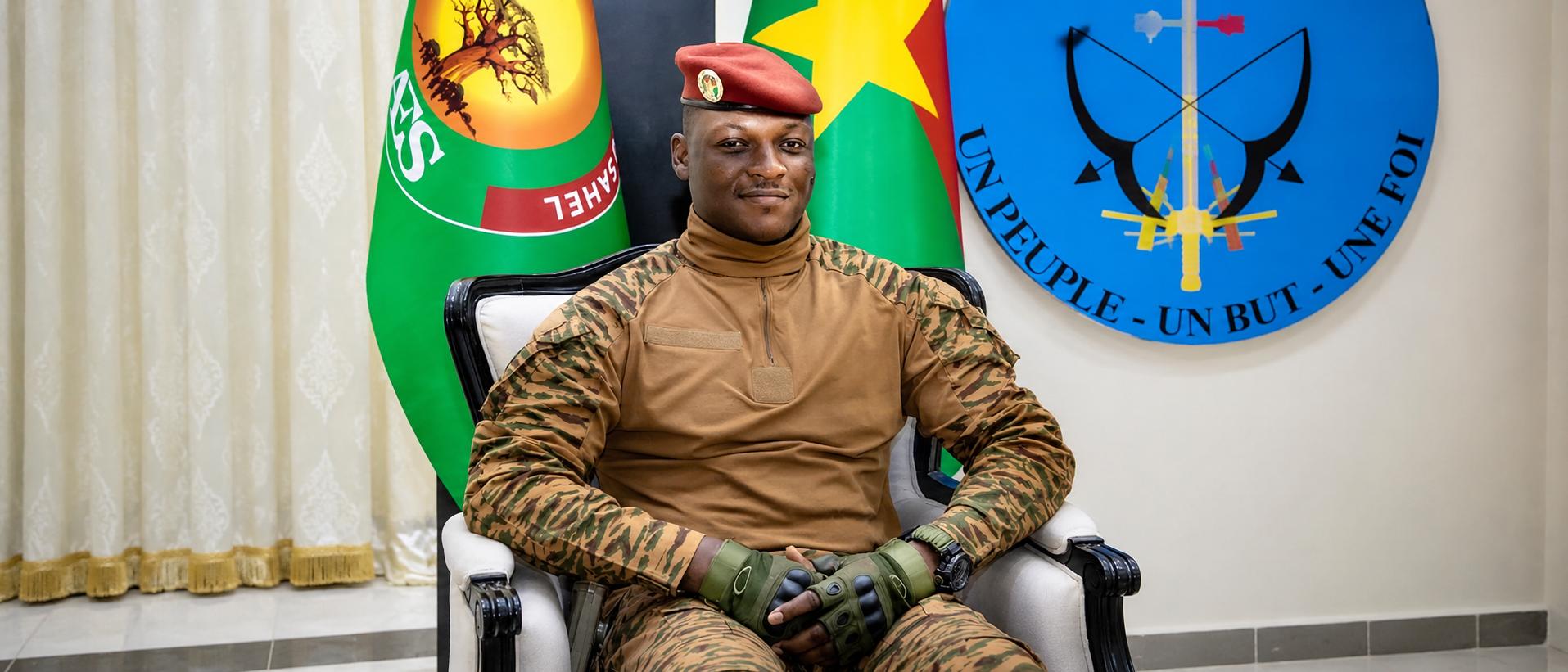
Captain Ibrahim Traoré’s recent address in Ouahigouya has laid bare a fundamental fracture within Burkina Faso’s military leadership. His unfiltered rhetoric—marked by blunt threats and coarse language—exposes not strength, but rather a deep-seated crisis of confidence in the state apparatus. In both governance and warfare, the systematic recourse to intimidation and coercion signals systemic fragility, not dominance. When a leader publicly vows to suppress even his own cadres, it reveals a regime whose cohesion no longer stems from shared doctrine or strategic alignment, but solely from fear of internal purge.
This approach introduces a perilous contradiction for the nation’s transition. By denying the existence of any hierarchical structure—declaring ‘there is no number one or number two’—Traoré attempts to preempt rival factions. Yet, this artificial flattening of command concentrates all operational risk onto his shoulders alone. By staking his legitimacy solely on battlefield experience, he risks trapping the transition in a classic pretorian trap: a power base rooted in personal charisma, fragile and dependent on immediate military triumphs.
The hardening of discourse also conceals a deeper strategic flaw. By prioritizing political loyalty checks over institutional reform, the leadership risks stifling operational agility. Officers, now consumed with self-preservation and internal surveillance, may retreat into cautious conformity. An army paralyzed by the fear of being labeled disloyal will inevitably lose operational responsiveness, widening the gap between Ouagadougou’s firm declarations and the realities on the front lines.
History across the Sahel suggests that such governance through fear backfires. When dissent is met with threats of brutal suppression, opposition does not vanish—it merely goes underground. The lesson is clear: regimes that silence internal debate through coercion do not eliminate factions; they only delay the inevitable reckoning until the balance of power shifts.