
The construction of the 15,000-seat stadium in Koudougou, outlined under Burkina Faso’s National Sports Elite Development Initiative (NS-EDI), is advancing, but a critical question lingers: where is the funding coming from? While the project promises to elevate local sports infrastructure and nurture emerging talent, the financial blueprint behind it remains shrouded in ambiguity. Official sources confirm the involvement of a Turkish construction firm and local agencies, yet the specifics of the budget allocation, the total cost, and potential foreign contributions remain undisclosed in publicly available records.
Behind the scenes: the infrastructure project with an unclear financial route
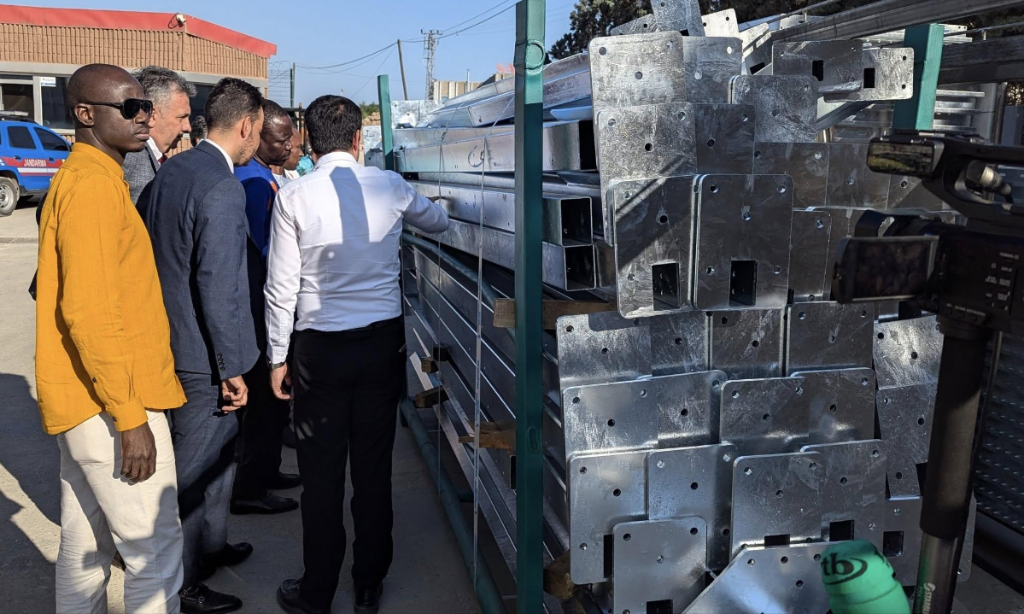
The Koudougou stadium is positioned as a cornerstone of Burkina Faso’s sports infrastructure expansion, aiming to address the city’s existing gaps and foster youth athletic development. Earlier this month, a high-level delegation inspected the designated construction site, signaling the project’s imminent kickoff. However, the public sphere lacks clarity on pivotal financial details.
What is the projected cost of the stadium? Will the funding come solely from national coffers, or will external partners play a role? Without transparent budgetary disclosures, these questions remain unanswered, leaving stakeholders with limited insight into the project’s economic underpinnings.
The Turkish construction firm Integral Sport at the helm
The project has been entrusted to Integral Sport, a Turkish construction company with a track record in sports facilities. This firm is also linked to the 15,000-seat Leguema stadium in Bobo-Dioulasso, suggesting a pattern in Burkina Faso’s stadium development strategy. Yet, the company’s role extends beyond mere construction—its financial stake, if any, remains a subject of speculation.
Does Integral Sport bear a portion of the financial burden, or does it operate under a public contract funded entirely by Burkina Faso? The distinction is crucial. Without access to contractual documents or official financial statements, it is premature to attribute the stadium’s funding to international investors, foreign banks, or private entities—or to rule out domestic financing.
Faso Mêbo and the state’s shifting roles
The project falls under Burkina Faso’s NS-EDI, a presidential initiative aimed at revitalizing sports excellence. The Faso Mêbo Agency, tasked with executing the plan, is reportedly collaborating with Integral Sport. However, the agency’s precise financial contribution remains undefined. Is Faso Mêbo providing logistical support, human resources, or direct monetary input? The public lacks the necessary documentation to confirm.
What about the state’s role? While the project is presidential-backed, this does not automatically imply that national budgetary allocations will cover the entire cost. Verifiable budgetary records, financial commitments, and construction contracts are essential to clarify the funding mechanism. Without these, the true nature of the state’s financial involvement remains speculative.
The transparency imperative in public spending
Transparent financial disclosures are vital for public accountability, especially in large-scale infrastructure projects. Citizens deserve to know the total estimated cost, the funding source, the tendering process, and the breakdown of responsibilities among stakeholders. If foreign partners are involved, their identities and the nature of their contributions should also be made public.
For the Koudougou stadium, key details such as the project’s full budget, the financing model, and the execution timeline remain absent from official channels. While the absence of this information does not necessarily indicate impropriety, it restricts the public’s ability to assess the project’s financial health and ensure taxpayer funds are used judiciously.
What next for the stadium’s funding? Key questions for authorities
Several entities hold the answers to the financial questions surrounding the stadium. The Ministry of Sports, NS-EDI officials, Faso Mêbo Agency representatives, and Integral Sport executives must provide clarity on the following:
- The finalized construction contract and its financial terms
- The tendering procedure utilized to award the project
- The existence of any external financing agreements
- The total projected cost and the funding allocation process
These answers are crucial for a population eager to understand how public resources are being deployed. The stadium’s success is not merely measured by its capacity but by the transparency and integrity of its financing.
A project with potential, but unresolved financial questions
The Koudougou stadium stands as a symbol of Burkina Faso’s commitment to sports development. However, its full impact hinges on resolving the financial uncertainties. As Integral Sport mobilizes for construction and Faso Mêbo coordinates logistics, the lingering question remains: who ultimately funds this 15,000-seat facility?
The project’s future will depend on clear financial disclosures from the authorities. Until then, the origin of the funds dedicated to this stadium will remain a subject of speculation—undermining both trust and the project’s long-term viability.
