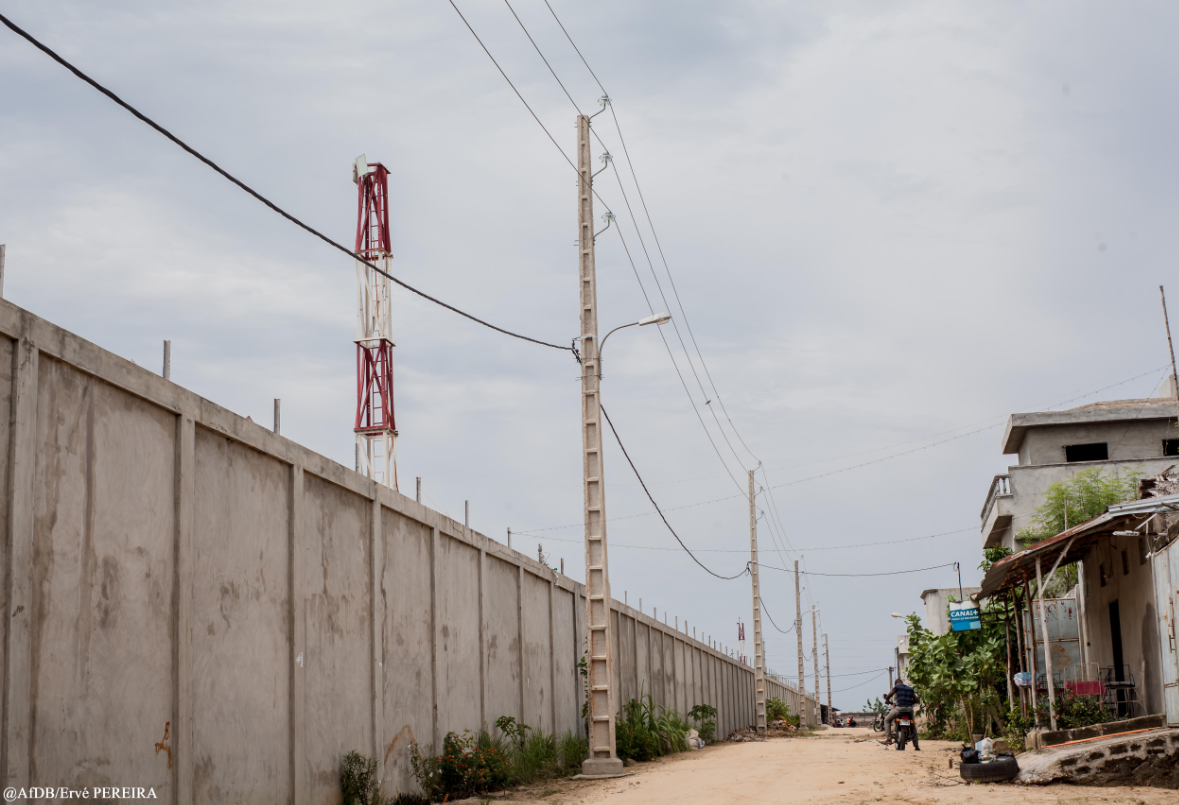

Behind the scenes: what’s really driving Africa’s energy debate in Cotonou
The 12th African Think Tanks Summit (#ATTS2026) isn’t just another policy gathering in Cotonou—it’s a backstage pass to the forces quietly reshaping Africa’s energy landscape. From October 28 to 30, decision-makers, researchers, and development partners are dissecting the gap between energy access and economic transformation, asking why simply connecting households and businesses to the grid hasn’t delivered the promised growth. The answers reveal a complex interplay of institutional weaknesses, financing gaps, and misaligned policies that threaten to stall progress.
From theory to impact: why energy access alone isn’t enough
The summit’s core question cuts to the heart of Africa’s energy paradox: how can the continent turn electricity into a catalyst for industrialization, job creation, and shared prosperity? The discussions underscore that access is only the first step. Without reliable, affordable, and strategically deployed power, African economies risk remaining trapped in low-productivity cycles. The focus shifts from kilowatts to kilowatts of impact—examining how electricity fuels agricultural processing hubs, manufacturing zones, and digital economies.
Key challenges emerge:
- Reliability gaps: Frequent blackouts and voltage fluctuations erode industrial competitiveness, driving up costs for businesses and discouraging foreign investment.
- Cost barriers: High tariffs disproportionately burden small enterprises, stifling entrepreneurship and widening inequality.
- Mismatched priorities: Energy policies often prioritize urban connectivity over rural productivity, leaving agricultural value chains underpowered.
Bénin’s blueprint: measuring what truly matters in energy reform
The Béninese government isn’t just hosting the summit—it’s setting the standard for how to evaluate energy policies beyond infrastructure metrics. Aristide Médenou, Bénin’s Minister of Economy and Finance, has framed the debate around tangible outcomes: Are businesses expanding? Are farmers increasing yields? Are households seeing tangible improvements in quality of life?
This shift moves the conversation from “How many people have been connected?” to “How has access changed lives?” It demands a new framework for tracking progress—one that links energy investments to GDP growth, job creation, and social equity. For African governments, this means:
- Adopting performance-based regulations that reward service reliability, not just grid expansion.
- Designing tiered tariff systems to protect vulnerable consumers while ensuring cost recovery for providers.
- Integrating local energy needs into national plans, particularly for rural agro-processing and digital economies.
The institutional engine: why strong governance is the missing link
Mamadou Biteye, Executive Secretary of the African Capacity Building Foundation (ACBF), has framed the debate around a critical blind spot: institutional capacity. Without skilled regulators, transparent procurement systems, and coordinated stakeholder collaboration, even well-funded energy projects can fail to deliver results.
The summit highlights three institutional hurdles:
- Fragmented governance: Overlapping roles between ministries, utilities, and regional bodies create policy gaps and inefficiencies.
- Skills shortages: From utility technicians to financial analysts, African institutions lack the expertise to manage modern energy systems.
- Accountability deficits: Without clear metrics or independent oversight, energy reforms often stall or veer off course.
Cotonou’s message to Africa: energy must work for everyone
Luc Gnacadja, Mayor of Cotonou, has framed the local dimension of the energy crisis: “Power isn’t just a utility—it’s the backbone of urban resilience and economic vibrancy.” For cities like Cotonou, unreliable electricity stifles commerce, undermines public services, and deepens inequality. The summit’s urban focus forces a reckoning: energy policies must align with local economic priorities, from bustling markets to digital innovation hubs.
Key takeaways for policymakers:
- Decentralize decision-making: Municipal governments must have the authority and resources to tailor energy solutions to local needs.
- Leverage public-private partnerships: Crowdfunding and blended finance models can bridge funding gaps without overburdening taxpayers.
- Prioritize gender-inclusive access: Women-led businesses and households often face disproportionate energy poverty—policies must address these disparities.
What’s next? Turning Cotonou’s insights into continental action
The summit concludes on October 30 with a call to action: energy must become a driver of economic transformation, not just a public service. The path forward hinges on three pillars:
- Policy alignment: Governments must synchronize energy, industrial, and trade policies to create cohesive ecosystems.
- Innovative financing: From green bonds to impact investments, new funding models are critical to scaling sustainable energy projects.
- Stakeholder accountability: Think tanks, regional bodies, and development partners must hold governments accountable for delivering on their commitments.
The real test of Cotonou’s deliberations will lie in their implementation. Will African nations move beyond rhetoric to adopt reforms that link energy access to economic empowerment? The answer will shape the continent’s trajectory for decades to come.