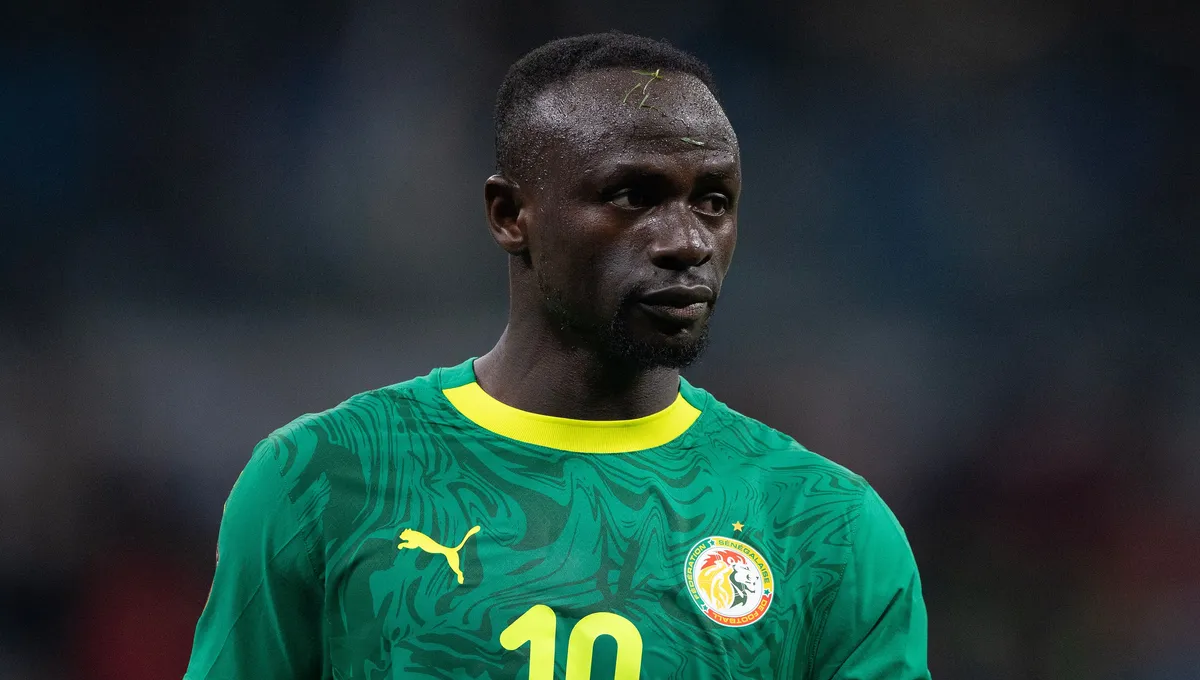

The African Football Confederation (CAF) has sparked widespread debate by revoking Senegal‘s victory in the 2025 Africa Cup of Nations (CAN), awarding the title to Morocco two months after the final. This unprecedented decision has left many questioning the timing and motivations behind such a late ruling.
The controversy stems from a Moroccan appeal, filed shortly after the January 18 final, citing alleged breaches of FIFA Regulations—specifically Articles 82 and 84—which state that teams must forfeit if they abandon the pitch. The initial sanctions imposed on Senegal coach Pape Tiaw, including a five-match suspension, were later challenged by Morocco, culminating in the surprise decision rendered late Tuesday evening.
why was the decision made so late?
The delay in the verdict has raised eyebrows across the football community. Nathalie Iannetta, Director of Sports at Radio France, highlighted the unusual circumstances: “Morocco contested the sanctions from the outset, arguing strict adherence to FIFA rules. Yet, the final ruling came months later, catching everyone off guard—including the Moroccan delegation itself.”
The timeline of events reveals a complex legal battle:
- January 19: Morocco files an appeal, citing Senegal’s alleged breaches of match regulations.
- January 20-25: CAF imposes sanctions, including a suspension for Senegal’s coach.
- March 25: After Morocco challenges the sanctions, CAF overturns the initial decision and strips Senegal of its title.
The late announcement has intensified the divide between those advocating for strict regulatory compliance and those arguing that a trophy earned on the field should not be revoked retroactively.
Senegal’s response and the road ahead
Reacting swiftly, the Senegalese Football Federation announced its intention to challenge the decision at the Court of Arbitration for Sport (CAS). The federation’s statement emphasized its commitment to defending the team’s integrity and performance.
The football world is now split into two camps. Some believe the decision upholds the sanctity of regulations, while others view it as a retroactive punishment that undermines the spirit of competition. “This final will go down as the longest in football history,” Iannetta concluded, underscoring the unprecedented nature of the situation.
The outcome of the CAS appeal remains uncertain, but one thing is clear: the 2025 CAN has become a landmark case in African football, raising critical questions about fairness, timing, and the balance between rules and sporting achievements.



