
Military restructuring in Central African Republic amidst foreign influence
The Central African Republic’s military landscape has undergone a significant transformation following intense pressure from foreign mercenary forces. The shift marks a pivotal moment in the nation’s ongoing security dynamics.
A new commander emerges in MPC leadership
Ahmat Chaltout, who had recently assumed the role of MPC’s chief of staff, has stepped down from his position. His resignation comes after relentless interference from Russian-backed mercenary groups operating within the country’s borders.
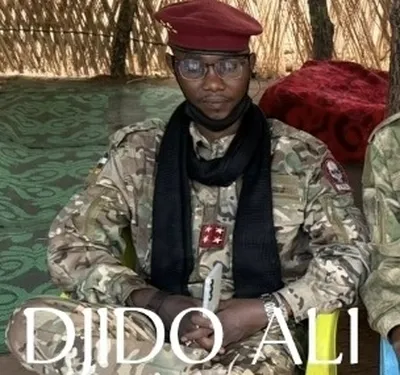
The unexpected power shift places Didot Ali, the former MPC chief of staff, back at the helm of military command. This reversal of roles signals a dramatic change in the Central African Republic’s security apparatus and raises questions about future military strategies.
Implications of foreign military presence
The involvement of Russian-backed mercenaries in domestic military affairs has become increasingly prominent in recent months. Their influence appears to be a driving force behind the recent command restructuring within the MPC (Mouvement Patriotique pour la Centrafrique).
While the exact motives remain unclear, analysts suggest this development could reshape the balance of power in the Central African Republic’s ongoing conflict. The situation continues to evolve as local and international observers monitor the consequences of this leadership change.
Military sources indicate that the transition appears to have occurred without significant resistance, suggesting either tacit acceptance or coercion behind the scenes. The Central African Republic’s government has yet to issue an official statement regarding the leadership shift.

Related Posts