
Chad’s governance crisis: how chaos replaces solutions
Chad’s governance crisis: how chaos replaces solutions
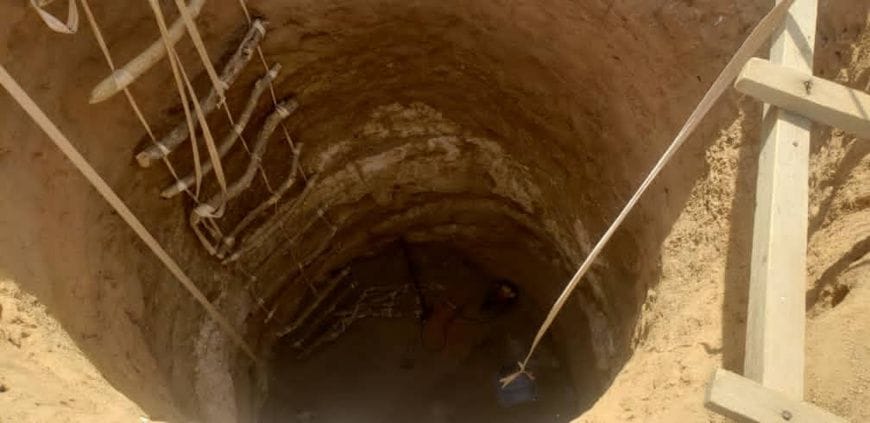
Dying over a well in the 21st century is not divine will nor ancient tradition—it’s the direct consequence of a deliberately unfilled institutional void.

For 36 years, the script has remained unchanged. The stage may shift, and new saviors parade in and out like clockwork, but the blood spilled daily retains the same hue: the color of systemic failure. Conflicts aren’t resolved here—they’re staged. The roar of presidential convoys kicking up dust over villages blinds victims to the absence of real solutions, while the promise of justice fades into empty rhetoric. This is not governance; it’s theater.
Staged peace missions, forgotten promises
When disputes erupt over a water source or grazing land, the State’s response follows a scripted routine. High-level delegations arrive in a flurry of fanfare, mediations are staged with great fanfare, and paternalistic speeches fill the air. Yet, once the dust settles and the 4x4s depart, nothing changes. The problem remains—and so does the suffering. The cost of these theatrical interventions is staggering. A single presidential trip or a flashy peace mission could fund the construction of thousands of modern wells, ensuring communities share vital resources sustainably. Instead, the cycle of dependency is perpetuated. Creating lasting infrastructure would eliminate the need for constant intervention—and that’s exactly what the system avoids.
Broken institutions, power without accountability
In functioning nations, leaders remain in their capitals not out of arrogance, but because their countries thrive without their constant presence. In Chad, however, the political elite have systematically dismantled the very institutions meant to protect citizens. A strong judiciary is a threat to those who rule through arbitrary power. By preventing courts from resolving disputes fairly, the State forces communities to take matters into their own hands. Dying over a well in the 21st century is not divine will nor ancient tradition—it’s the direct consequence of a deliberately unfilled institutional void. The political failure here is complete: it prefers managing crises to building a united, prosperous nation.