
Congo constitutional reform sparks political storm
The Democratic Republic of the Congo finds itself at a crossroads as the constitutional reform debate intensifies, pitting government supporters against a vocal opposition. At the heart of the controversy lies a proposed referendum to amend the nation’s foundational laws—a move the ruling majority frames as institutional modernization but critics condemn as a power-grab by President Félix Tshisekedi.
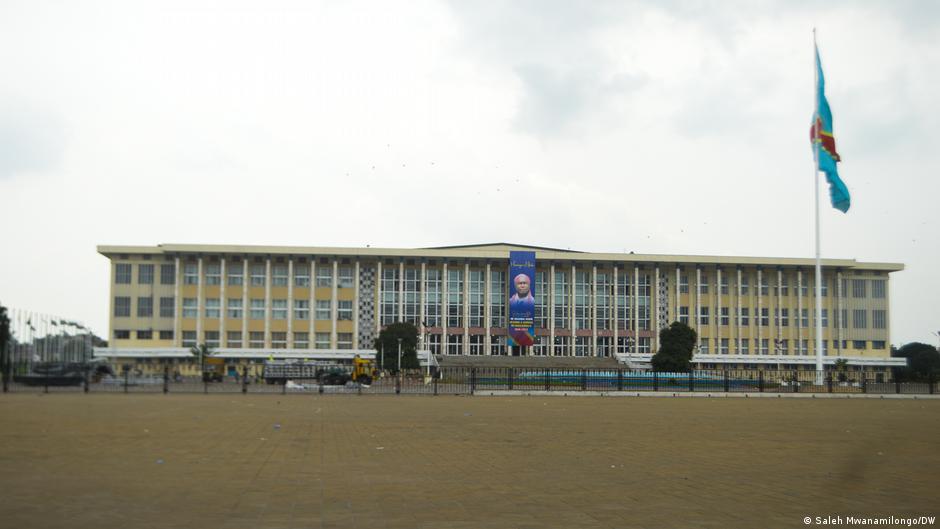
The National Assembly’s adoption of the referendum framework on May 27 has only deepened the divide. While officials argue the changes are necessary to strengthen governance, opposition leaders warn they risk undermining democracy and entrenching the current administration. The political climate has grown increasingly volatile, with both sides digging in their heels.
the youth weigh in on a pivotal moment
With over half the population under 30, the Democratic Republic of the Congo’s youth hold the key to the reform’s fate. In Kinshasa’s bustling streets, opinions are sharply divided. Some young Congolese view the constitutional changes as a rare chance to redesign the country’s political architecture, while others question whether now is the time given persistent economic stagnation and escalating security threats in eastern provinces.
“This isn’t a suit you change on a whim,” declared opposition figure Moïse Katumbi in a pointed rebuke of the proposal. His warning underscores the gravity with which many view the potential overhaul, framing it as a dangerous precedent that could erode constitutional safeguards and centralize power.
opposition escalates with legal challenge
The coalition of opposition parties, C64, is preparing to file a lawsuit against President Tshisekedi on June 9, accusing him of attempting to seize power through unconstitutional means. The move signals a dangerous escalation in the standoff, as political tensions already simmer across the capital.
Legal experts like Jonas Ngalamulume caution that while the lawsuit carries symbolic weight, its immediate legal impact may be limited. Yet its filing serves a broader purpose: to rally public opinion, pressure institutions, and keep the constitutional debate at the forefront of national discourse.
As the rhetoric sharpens and positions harden, the reform’s implications extend far beyond legal text. It has become a defining test of the Democratic Republic of the Congo’s democratic resilience—one that will shape the nation’s governance, stability, and future for years to come.