
Tensions within Côte d’Ivoire’s political landscape have intensified as the ruling RHDP party’s maneuvers continue to unsettle the long-established structures of the historic PDCI.
The PDCI, once a dominant force in Ivorian politics, now faces internal disruptions fueled by strategic moves from its ruling counterpart. Observers in Abidjan describe a climate of unease as party officials grapple with shifting alliances and clandestine negotiations that threaten to reshape the political equilibrium.
what’s driving the discord?
The friction stems from the RHDP’s concerted efforts to erode the PDCI’s influence, particularly ahead of key electoral milestones. High-profile figures within the opposition party have openly criticized what they perceive as deliberate interference, including targeted recruitment of disaffected members and financial incentives to sway local chapters.
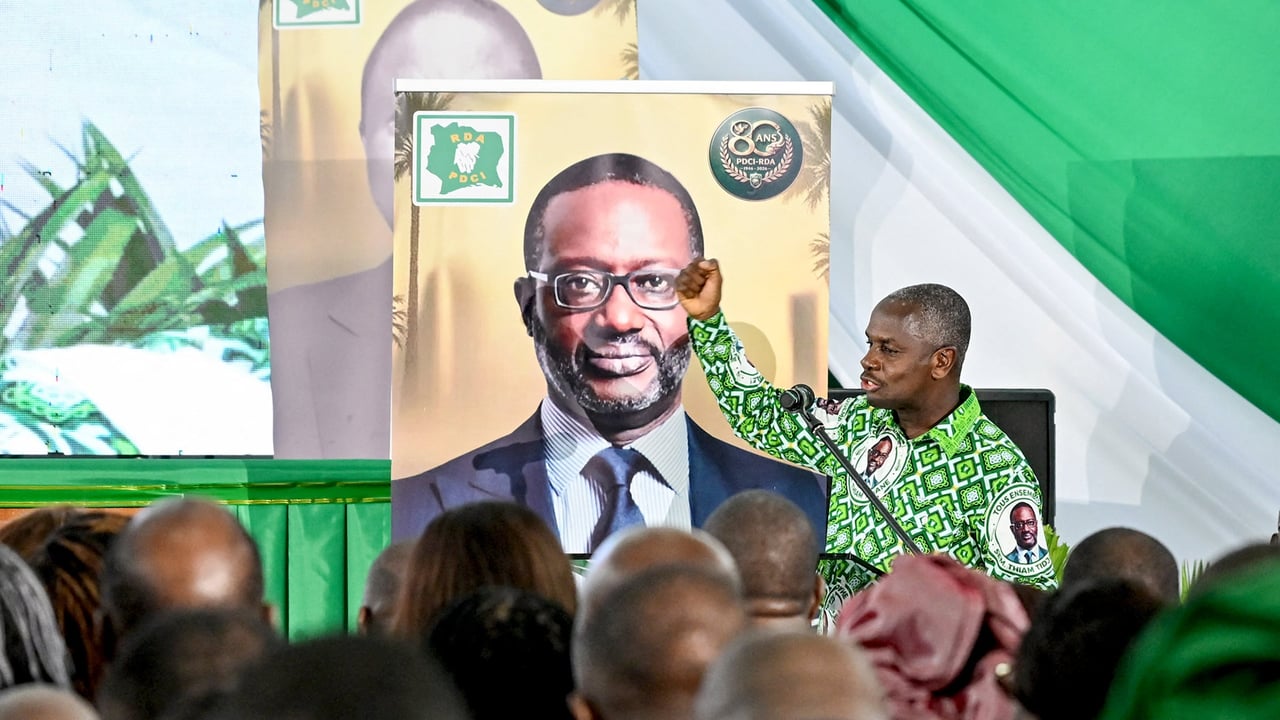
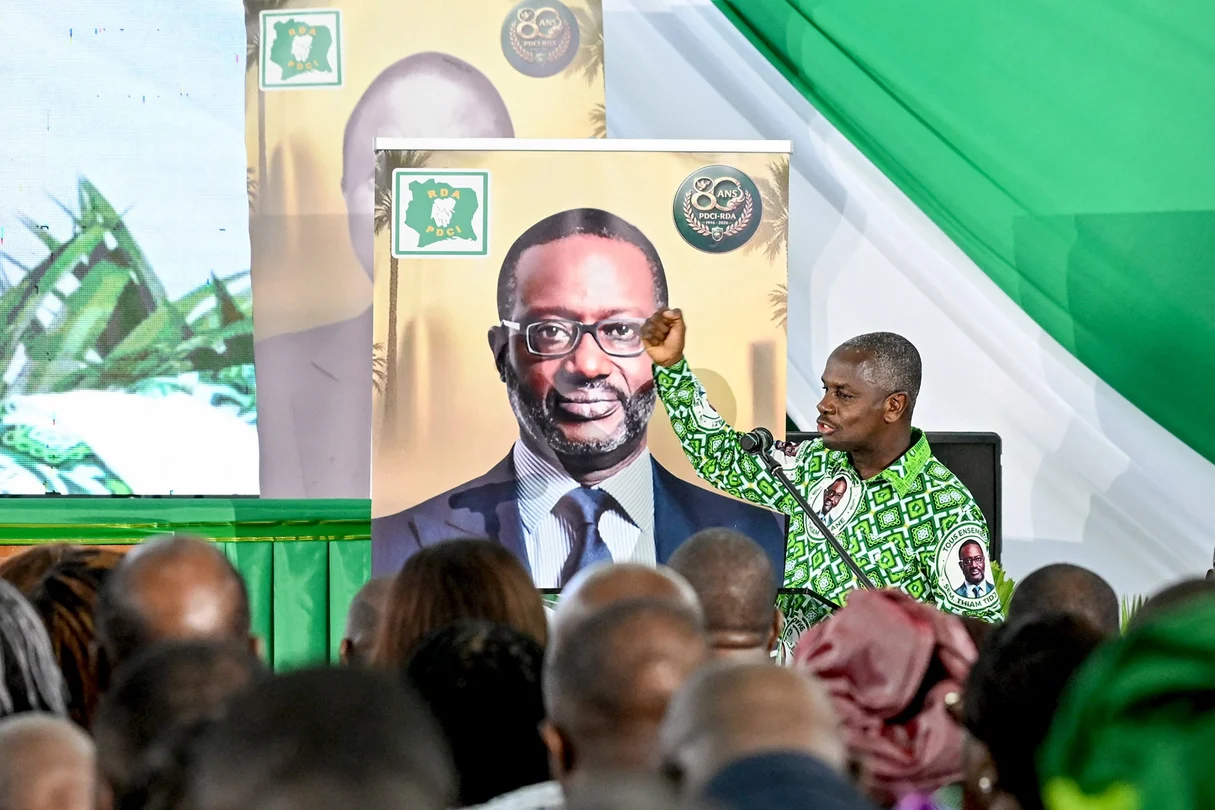
Calice Yapo Yapo, the PDCI’s executive secretary, has been vocal in condemning these tactics. Speaking during the party’s 80th anniversary celebrations in April 2026, he framed the situation as an existential challenge, warning that the survival of the PDCI hinges on its ability to resist external pressures.
key developments in the power struggle
- recruitment drives: The RHDP has reportedly targeted mid-level PDCI cadres, offering positions within its ranks to weaken the opposition’s grassroots support.
- financial inducements: Allegations of monetary incentives have surfaced, with some local leaders accused of accepting funds in exchange for shifting allegiances.
- secret negotiations: Confidential meetings between RHDP envoys and PDCI officials have been documented, raising concerns about potential defections.
implications for ivorian democracy
The escalating tensions carry significant consequences for Côte d’Ivoire’s democratic future. Political analysts argue that the erosion of opposition cohesion could lead to a one-party dominance, undermining the checks and balances essential for a healthy democracy. The PDCI, despite its diminished influence, remains a critical voice in national debates, particularly on issues of governance and electoral integrity.
Meanwhile, the RHDP’s aggressive strategy risks polarizing the electorate, with potential long-term repercussions for social cohesion. As the political climate heats up, ordinary Ivorians find themselves caught between competing narratives, each vying for their allegiance.
For now, the PDCI is mobilizing its remaining resources to counter the RHDP’s advances. Internal reforms and public outreach campaigns are underway, but the party’s future remains precarious in the face of such determined opposition tactics.