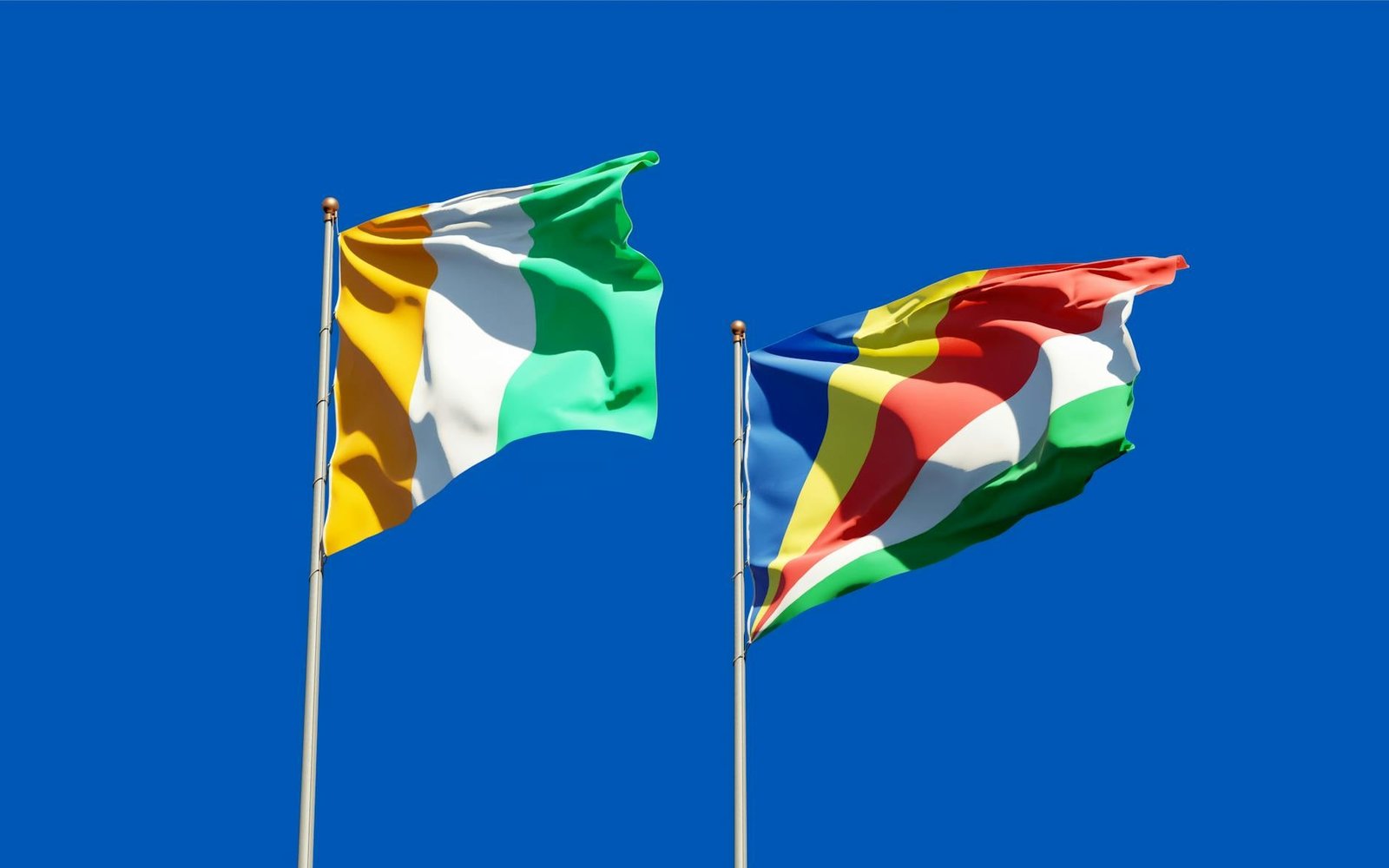

The presidential election in Côte d’Ivoire unfolded under heightened tensions yet concluded without major incidents, based on initial reports from polling stations across Abidjan and beyond. Voters cast their ballots under a visibly reinforced security presence, as authorities maintained strict vigilance throughout the day. No significant disturbances were recorded by evening, despite prior concerns over potential communal or post-election unrest.
High-stakes vote tests Ivorian stability
This election took place against a backdrop of intense scrutiny, given Côte d’Ivoire’s position as the leading economy in the West African Economic and Monetary Union (UEMOA). The country still bears the scars of the 2010-2011 post-election crises and the unrest that marred the 2020 vote. Political figures, civil society groups, and international partners had warned of possible escalations, particularly in urban areas known for volatility. The campaign period saw heated exchanges and scattered protests, deepening mistrust between ruling and opposition factions.
The coordinated deployment of defense and security forces, alongside the presence of domestic and international observers, helped mitigate risks. Electoral authorities launched repeated calls for calm, while political leaders urged their supporters to exercise restraint. This de-escalation strategy appeared to yield results in the immediate aftermath of polling.
Turnout closely monitored as results take shape
While the voting process itself passed without major disruptions, all eyes are now on the vote-counting and result consolidation phases. Historically, this stage has been a flashpoint for disputes and potential flare-ups. The Independent Electoral Commission (CEI) faces the critical task of releasing results perceived as fair by all stakeholders to prevent post-election tensions from overshadowing the peaceful conduct of the vote.
Diplomatic missions from Western and African capitals—including those of the Economic Community of West African States (ECOWAS)—are closely tracking developments. For Abidjan, the stakes extend far beyond national borders. Côte d’Ivoire serves as a key stabilizing force in a region grappling with constitutional upheavals across the Sahel and shifting diplomatic alliances among Bamako, Ouagadougou, Niamey, and neighboring coastal nations.
A democratic litmus test for West Africa
The outcome of this election carries implications that reach well beyond Côte d’Ivoire’s borders. In a subregion where multiple countries have experienced military coups in recent years, the successful conduct of a pluralistic and largely violence-free vote sends a powerful political signal. International investors, whose confidence directly impacts the country’s economic trajectory, are particularly attentive to the integrity of the process and the resilience of its institutions.
The most critical phase is now underway. The announcement of results, their acceptance by losing candidates, and the handling of any legal challenges before the Constitutional Council will serve as true barometers of the country’s democratic maturity. Recent regional precedents—from Dakar to Bissau—have demonstrated how swiftly post-election periods can spiral out of control.
In the coming days, Côte d’Ivoire will be judged on whether it can solidify its reputation as a beacon of stability in a West Africa reshaped by political realignments. The relative calm observed on polling day remains a fragile accomplishment, one that must now be reinforced by the ability of institutions to resolve disputes with transparency and restraint.