
Côte d’Ivoire plans high-speed rail to link key cities
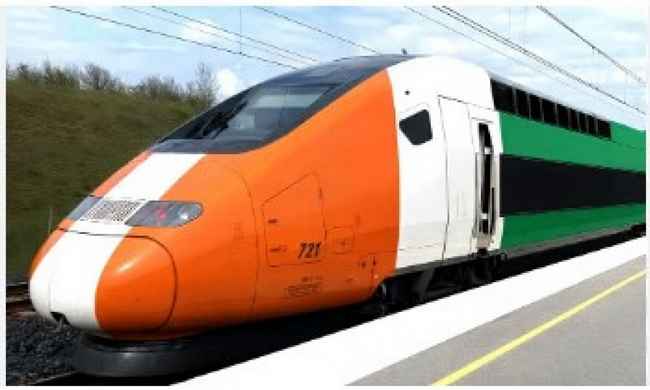
The West African nation of Côte d’Ivoire is advancing plans to introduce high-speed rail service, marking a potential milestone as the second African country to adopt this modern transportation network after Morocco. The proposed project centers on a 640-kilometer track designed to connect Abidjan, the thriving economic hub, with Yamoussoukro, the political capital established by former President Félix Houphouët-Boigny. This initiative aims to slash travel time between the two cities from nearly three hours by road to just 45 minutes by train.
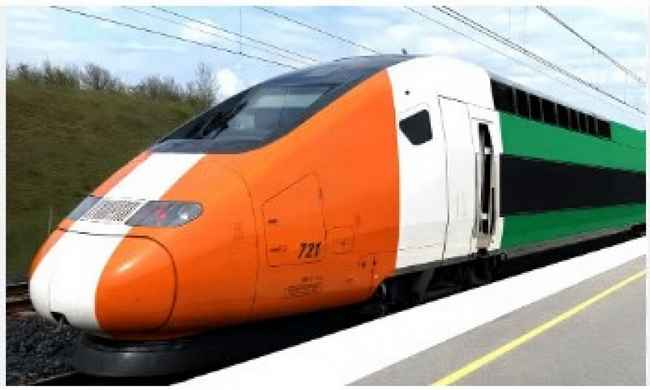
Beyond its primary route, the high-speed rail network is expected to extend northward, serving major urban centers such as Bouaké, the country’s second-largest city, followed by Korhogo and Ferkessédougou. The government’s vision extends beyond mere transit efficiency—it seeks to boost Yamoussoukro’s appeal as an administrative center while easing congestion in Abidjan, where soaring housing costs have become a pressing concern.
Economic transformation through infrastructure
Côte d’Ivoire’s leadership, under President Alassane Ouattara since 2011, has prioritized infrastructure as a cornerstone of its 175-billion-euro growth strategy. The high-speed rail project is a key pillar of the 2026–2030 National Development Program, which also includes:
- A new Abidjan metro system slated for completion by 2029;
- Expansion of highway networks, with plans to build over 1,000 kilometers of new roads;
- Construction of two international airports in San Pedro (southwest) and Bondoukou (northeast).
These initiatives reflect a broader ambition to position Côte d’Ivoire as a model of economic and social modernization in the region. The high-speed rail, in particular, could serve as a powerful symbol of progress, especially if the country pursues future bids to host major international events like the FIFA World Cup—though competition remains fierce, with Morocco already securing hosting rights for 2030.
Next steps: feasibility and financing
The government is proceeding with comprehensive feasibility studies to assess the project’s technical and financial viability. With global interest in high-speed rail surging, Côte d’Ivoire’s leadership is keen to leverage this momentum to secure partnerships and investments that will turn this vision into reality. The stakes are high, but so are the rewards—connecting a nation and reshaping its future.