
Côte d’Ivoire’s Bounkani region faces poor cashew harvest amid climate shifts and cultivation challenges
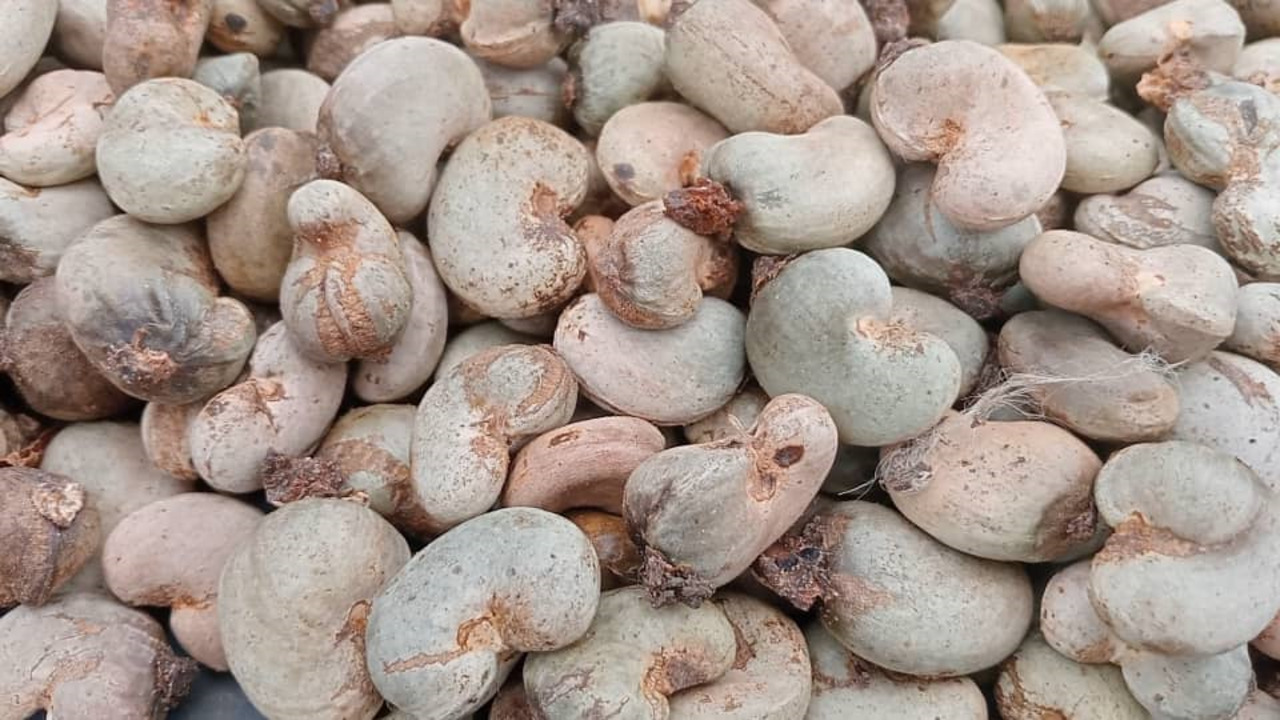
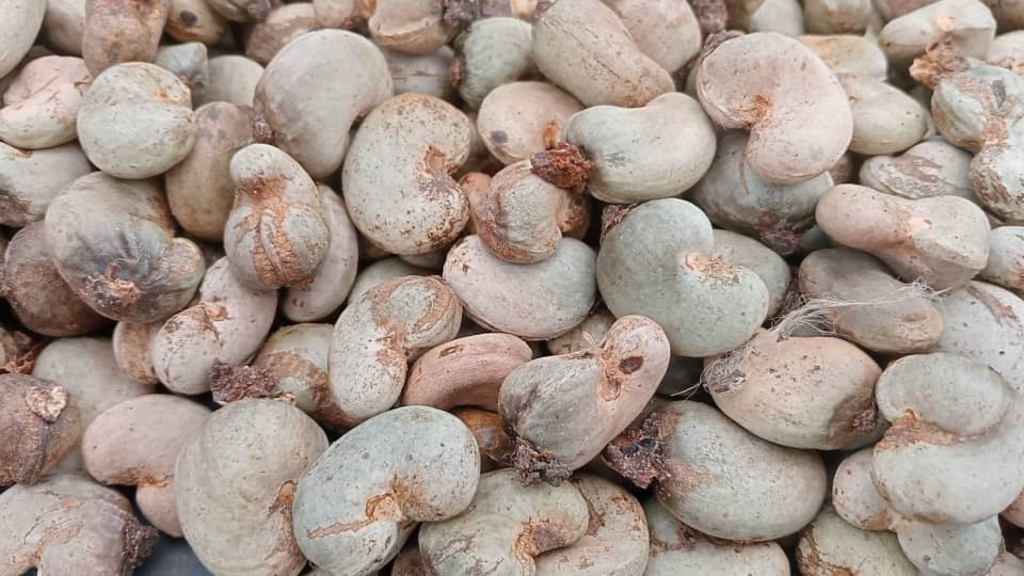
The cashew marketing campaign is currently in full swing across Côte d’Ivoire. The Cashew Cotton Council (Conseil Coton Anacarde) initially projected a robust national production of over 1.3 million tons of raw cashews for this year, mirroring recent strong yields. However, this figure is now anticipated to decrease by approximately 200,000 tons compared to last year’s output. Specific regions are grappling with significant challenges, primarily due to erratic rainfall patterns. This is particularly evident in the Bounkani region, situated in the country’s northeastern part.
Reporting from Bouna, I observed a three-hectare cashew plantation where farmer Kouamé Ouattara faces an almost complete crop failure this season. He lamented, « Three years ago, I could harvest 500 kg per hectare. But now, I can’t even collect two bags of cashews from all three hectares. » Ouattara attributes this dire situation to a profound disruption in the rainy season. « Normally, we expect significant rainfall between November and December, which allows the cashew trees to flower. However, this year, the rain ceased in October, » he explained with visible frustration. « October, November, December, January, February – there was no rain. Once the flowering fails, you have to wait until the next year. So, the season has failed. »
This environmental shift has cascaded into other sectors. Local beekeepers, who maintain hives within cashew plantations, are also reporting near-nonexistent honey production. Koffi Ouattara, president of the Koflangué beekeepers’ association, shared his concerns: « We don’t have enough honey right now. Last year, we produced 100 liters of honey. This year, it’s only 30 liters. For us, this represents a significant loss. »
Cultivation practices in need of adjustment
Beyond the undeniable climatic factors, the challenging situation is also linked to inadequate cultivation practices, according to Dr. Sibirina Soro. As a research professor at Daloa University and coordinator of the national cashew research project, Dr. Soro elaborated, « A large part of this is connected to the density of the orchards. Many plantations resemble forests; the initial planting density was not respected. » He emphasized that farmers are now being advised to rehabilitate these orchards to achieve optimal density. « The recommended average is 100 trees per hectare, » he stated.
Dr. Soro’s work extends to organizing annual training sessions for farmers, focusing on combating destructive insect pests. He advocates for enhanced support for these agriculturalists, noting that Ivorian cashew producers typically refrain from using chemical products in their fields. This reliance on natural methods, while environmentally conscious, leaves them more susceptible to substantial losses when harvests are poor.