Deadly assault on Niamey airport leaves thirteen dead in Niger
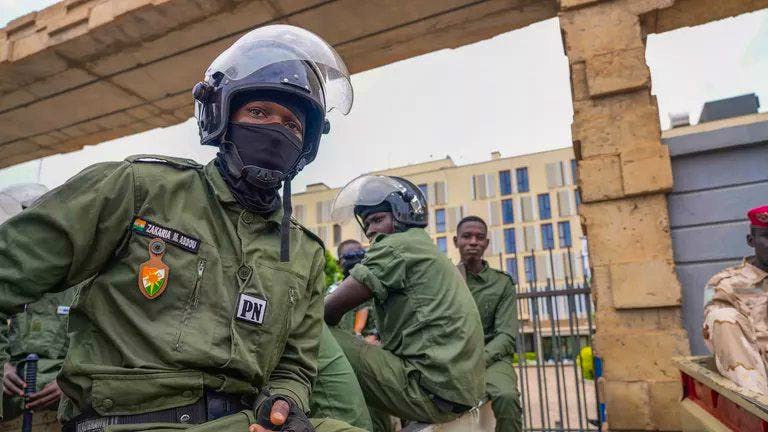
Violent raid on Niamey airport results in multiple casualties
A deadly strike hit the heart of Niger‘s capital on Thursday morning as armed groups launched a bold assault on the Niamey international airport. The confrontation, which lasted several hours, resulted in the deaths of 11 soldiers and two civilians, marking a significant escalation in the security challenges facing the nation.

The attackers, some of whom were equipped with explosive suicide belts, attempted to infiltrate the main passenger terminal. However, rapid intervention by security forces successfully prevented them from reaching the building. Official communications confirmed that 22 of the assailants were neutralized during the firefight, and approximately 20 suspects have been detained for questioning.
Details of the morning confrontation
Residents in Niamey reported that gunfire erupted around 06:00 local time near a security checkpoint on the primary access road to the airport. The armed group arrived in taxis, attempting to bypass security before meeting intense resistance from the military. By 10:00, the immediate area had been secured, though search operations continued in nearby residential zones to locate any fleeing militants.
While the airport remains officially open to air traffic, flight tracking data showed that several incoming planes were forced to divert or face significant delays following the incident. This attack comes nearly six months after a similar assault in late January, which targeted both the airport and the adjacent military base—a site where Niger‘s forces work alongside Russian partners.
A critical security hub
The Niamey airport is a highly sensitive location, serving as a storage point for uranium concentrate and a key military installation. Following the January attack, which the military leadership under General Abdourahamane Tiani attributed to a breach in security protocols, the government had implemented stricter measures. These included the installation of over 350 surveillance cameras and the demolition of several neighborhoods surrounding the perimeter to create a buffer zone.
Despite these reinforced defenses, the persistent threat from jihadist groups continues to test the military administration that has governed Niger for nearly three years. The latest operation by the defense forces is still ongoing as they work to fully stabilize the capital’s outskirts.