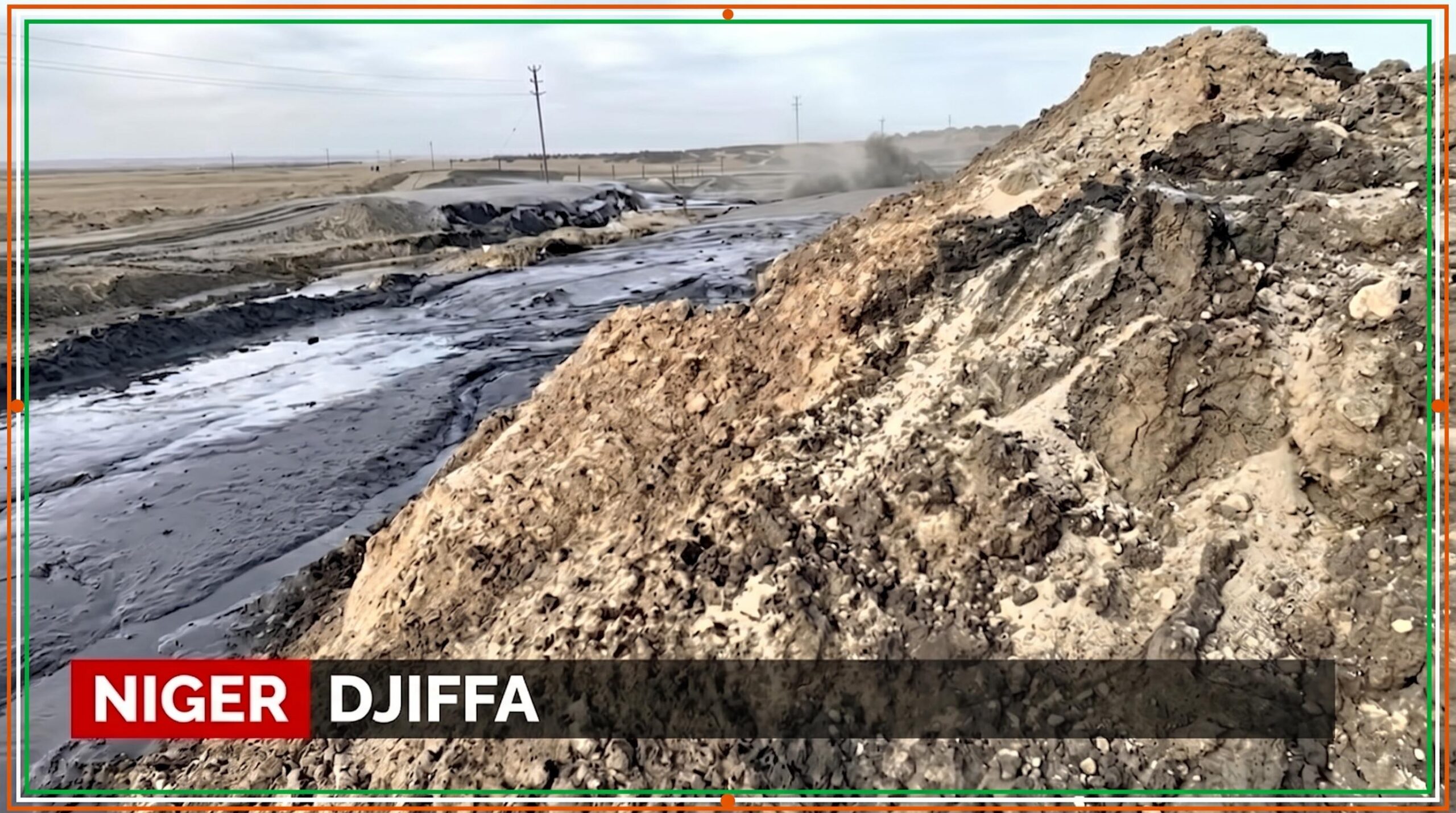

Niger stands at a critical juncture as a growing oil spill in Diffa threatens both its natural ecosystems and local livelihoods. The leak, now in its second week, has transformed a resource critical to the nation’s economy into an environmental hazard demanding immediate action.
From economic asset to ecological crisis
Oil has long been hailed as a cornerstone of Niger’s economic development, but the recent spill near Diffa has exposed the fragile balance between energy extraction and environmental preservation. What began as a technical setback has escalated into an urgent ecological emergency, raising urgent questions about the long-term viability of unchecked resource development.
Local reports indicate a visible sheen spreading across land and water, with containment efforts still in preliminary stages. Authorities now face mounting pressure to trace the source of the spill, halt the flow, and assess the full scope of the damage—all while preventing further ecological devastation.
The accelerating timeline of ecological damage
Time is a critical factor in oil spill response. Each passing hour allows the contamination to spread deeper into soil, groundwater, and surrounding agricultural zones. Without swift intervention, the spill could trigger cascading effects on soil fertility, water quality, and food security for communities reliant on natural resources.
Field assessments must prioritize three key actions:
- Locating the source: Identifying the exact point of origin to prevent additional leaks from undetected fault lines or failing infrastructure.
- Containment strategies: Deploying booms, absorbent materials, and diversion techniques to isolate the spill and limit its expansion.
- Environmental sampling: Collecting soil and water samples to determine toxicity levels and inform cleanup protocols.
Human and economic fallout: the hidden costs of inaction
The spill’s immediate impact on Diffa’s communities is still unfolding, but early projections warn of severe disruptions. Fishing grounds, grazing lands, and subsistence farms—cornerstones of local economies—are at risk of long-term contamination. Vulnerable populations, particularly smallholder farmers and pastoralists, face potential livelihood losses if their land becomes unusable.
Health risks also loom large. Exposure to crude oil and its volatile compounds can lead to respiratory issues, skin irritation, and long-term health complications, particularly for children and the elderly. Without transparent communication from responsible entities, families remain unaware of potential hazards, exacerbating the crisis.
Why transparency is non-negotiable
Silence fuels mistrust. When spill-related information remains fragmented or delayed, speculation and fear spread faster than containment efforts. Authorities and industry stakeholders must provide timely, verifiable updates on:
- The exact volume of oil spilled and its chemical composition.
- Environmental assessment results, including affected areas and contamination levels.
- Public health advisories for nearby residents, including water safety and evacuation protocols if necessary.
Clear, consistent communication can prevent panic, uphold accountability, and ensure that emergency funds and resources are allocated efficiently.
Accountability lessons: turning crisis into reform
The Diffa spill is more than an isolated accident—it is a litmus test for Niger’s environmental governance. To prevent future crises, the nation must prioritize:
Preventive infrastructure: Regular inspections, upgraded pipelines, and redundant safety systems to reduce spill risks.
Regulatory rigor: Enforcing penalties for negligence and mandating comprehensive environmental impact reviews for oil operations.
Community resilience: Investing in alternative livelihood programs and early warning systems to mitigate spill fallout.
If the spill’s origin is traced to corporate negligence or regulatory failures, liability must be established. Compensation for affected communities—including land restoration, water treatment, and healthcare support—must be swift and equitable. Environmental rehabilitation cannot be an afterthought; it is a legal and moral obligation.
Diffa’s spill: a call for decisive environmental stewardship
Niger cannot afford to treat this as just another industrial incident. The Diffa spill represents a turning point: either the nation doubles down on reactive emergency management, or it seizes this moment to embed prevention, transparency, and accountability into its oil sector policies.
Communities deserve better than prolonged uncertainty. The clock is ticking—not just for spill containment, but for Niger’s ability to safeguard its future. The time for action is now.