

In the heart of Douala, Cameroon’s economic engine, the Wouri-Est constituency stands as a high-stakes electoral prize. No political force can afford to overlook its significance ahead of the upcoming legislative elections. The area’s strategic importance—both demographically and economically—makes it a must-win battleground for parties vying for national influence.
Why Wouri-Est holds unmatched electoral weight
The Wouri-Est constituency, nestled in the bustling port city of Douala, is more than just a political battleground; it is a microcosm of Cameroon’s diverse electorate. Home to nearly half a million registered voters, its outcome often mirrors broader national trends, shaping the balance of power in the National Assembly.
Beyond its sheer numbers, Wouri-Est’s economic clout cannot be overstated. As the commercial hub of Central Africa, Douala’s growth directly impacts the constituency’s appeal to voters. Parties are acutely aware that securing this seat could translate into significant leverage in policy-making and resource allocation.
Key players and shifting alliances
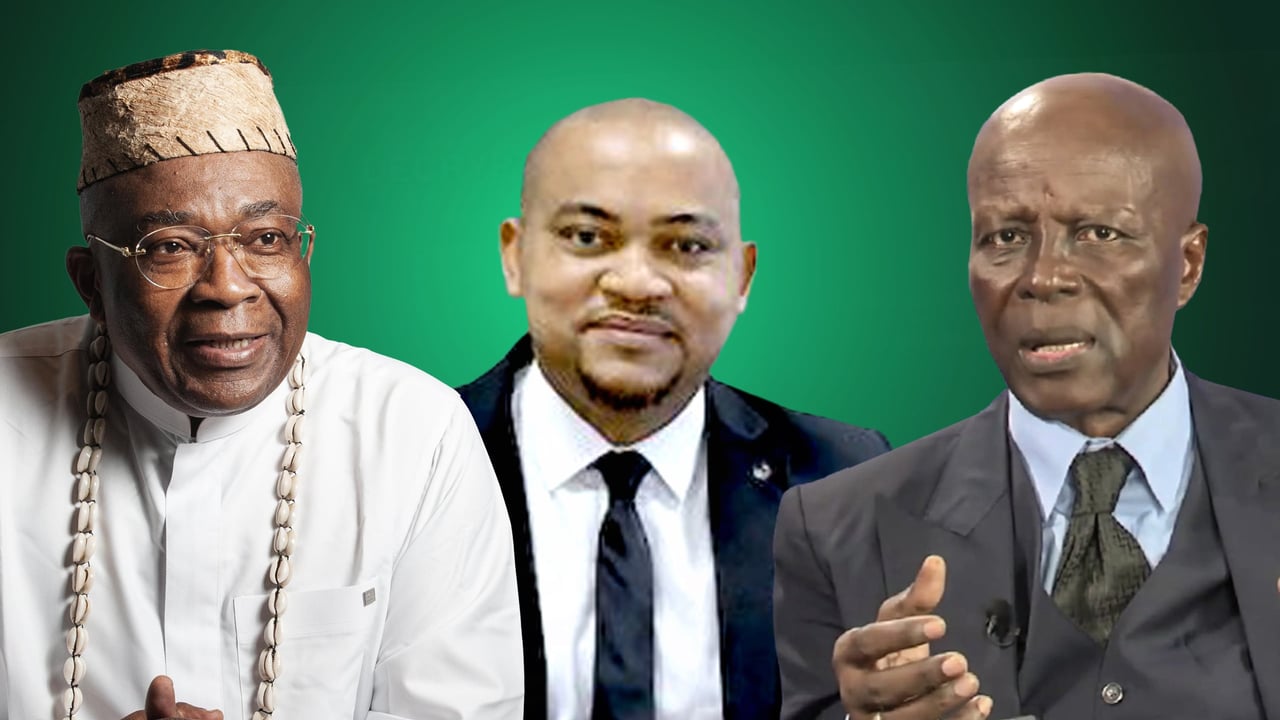
The race for Wouri-Est has drawn heavyweights from across the political spectrum, each bringing their own vision for the constituency’s future. Among the most prominent contenders are:
- Jean-Michel Nintcheu, a seasoned opposition figure known for his grassroots mobilization and vocal criticism of government policies.
- Pierre Emmanuel Binyam, representing the ruling party’s reformist wing, positioning himself as a bridge between traditional governance and modern expectations.
- Hervé Emmanuel Nkom, a dynamic leader with a focus on economic revitalization and youth engagement.
Their campaigns reflect deeper tensions within Cameroon’s political landscape. While some alliances have shifted in recent months, one thing remains clear: Wouri-Est’s voters are not easily swayed. Local issues—from infrastructure deficits to unemployment—dominate debates, forcing candidates to address realities on the ground rather than lofty promises.
Challenges and voter expectations
Campaigning in Wouri-Est is no small feat. The constituency’s urban density and socioeconomic diversity demand tailored strategies. Voters here are vocal about their needs: better public services, improved security, and economic opportunities that match the city’s potential.
Parties that fail to articulate concrete plans risk alienating an electorate that has grown increasingly impatient with unfulfilled pledges. The stakes are high, and the margin for error is slim—every misstep could cost precious votes.
What’s next for Wouri-Est?
As election day approaches, the pressure mounts on candidates to deliver compelling narratives. The outcome in Wouri-Est will not only determine the next representatives in the National Assembly but also signal broader political trends ahead.
With so much riding on this single constituency, one thing is certain: the battle for Wouri-Est will be as intense as it is consequential.