
DRC census 2027: recruitment under way for mapping agents
DRC census 2027: recruitment under way for mapping agents
- Politics
The Democratic Republic of the Congo (DRC) is advancing toward its second General Population and Housing Census (RGPH-2) with the launch of a critical recruitment phase. The nationwide enumeration, originally scheduled for 1984, is now set to begin in July 2027, marking a major milestone in the country’s development planning.
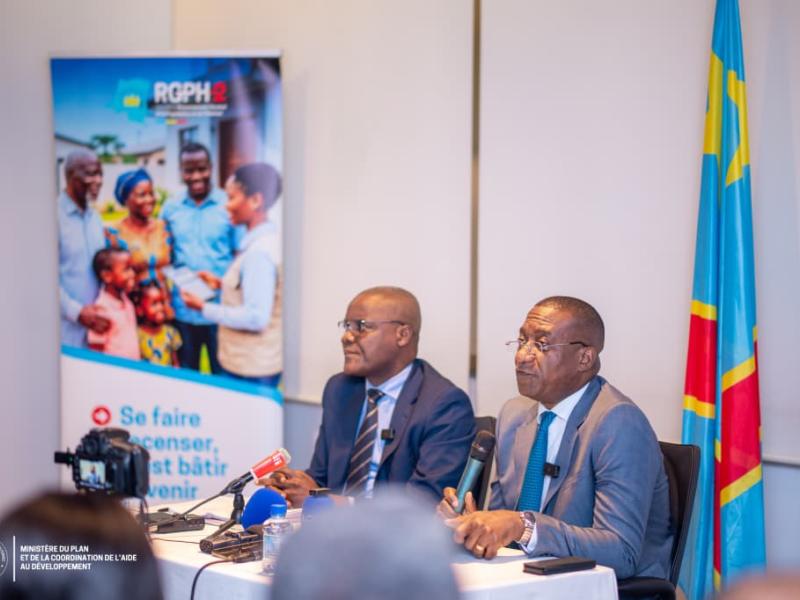
During a press briefing on June 1, 2026, Guylain Nyembo Mbwizya, Deputy Prime Minister and Minister of Planning and Development Coordination, announced the official kickoff of the recruitment process for census mapping agents. This phase precedes the full enumeration and is essential for building accurate demographic data across the vast national territory.
The Minister emphasized that the RGPH-2 is not merely a statistical exercise but a strategic tool for governance and national development. With the last census conducted over four decades ago, the DRC’s development plans have been based on outdated data, making this operation long overdue. The United Nations recommends conducting a census every ten years to ensure reliable and current population statistics.
“This census will enable us to refine our data, improve policy planning, and enhance resource allocation,” Nyembo Mbwizya stated. “The Government has prioritized this census to obtain precise population figures, living conditions, and geographic distribution—key inputs for effective governance.”
Why the 2027 Census Matters
The RGPH-2 will provide updated and reliable demographic data, essential for:
- Designing evidence-based development policies
- Planning infrastructure projects and public services
- Allocating state resources equitably
- Monitoring progress toward national development goals
Recruitment Criteria and Key Roles
The recruitment drive targets highly skilled professionals to support the census mapping phase, including:
- Master trainers to build local capacity
- Cartography operators to conduct field mapping
- Geographic Information Systems (GIS) specialists for digital mapping
- ICT assistants to manage data systems
The minister stressed that candidates will be evaluated based on merit, transparency, and strict adherence to professional standards. The application deadline is June 7, 2026, and interested individuals can apply through the dedicated portal: recrutement.rgph.cd.
“We are committed to a transparent, fair, and opportunity-driven process,” Nyembo Mbwizya said. “No form of favoritism, fraud, or discrimination will be tolerated.”
Opportunity for Youth and Women
The Government sees this census as an opportunity to empower local talent. It particularly encourages young professionals and women with relevant qualifications to apply, aiming to create temporary employment for thousands of Congolese citizens.
“This is a chance to harness local expertise and contribute to the nation’s progress,” the Minister noted.
Local Ownership and Phased Implementation
The recruitment will be conducted locally to ensure broader participation across all provinces. After Kinshasa, mapping operations will expand progressively to other regions before the full enumeration phase begins. The Government is calling on citizens to actively support and participate in the census process.
“We need dedicated, disciplined, and patriotic agents to ensure the success of this operation,” Nyembo Mbwizya said. “The Government is fully committed to completing this process.”
Funding and Partnerships
The total estimated cost of the census operations is 192 million US dollars. While significant progress has been made, additional funding is still needed to complete the process. The Government is working with technical and financial partners to mobilize resources through a “Basket Fund,” a pooled financing mechanism dedicated exclusively to census activities.
The DRC’s delayed census reflects the country’s long-standing commitment to improve data-driven governance. This operation aligns with President Félix Tshisekedi’s pre-election promises and marks a critical step toward modernizing national development planning.