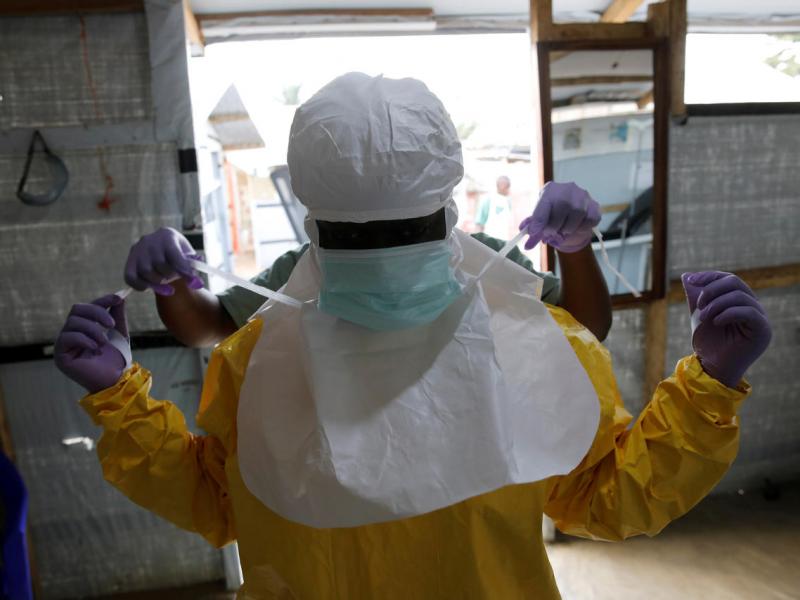

The Democratic Republic of Congo has escalated its fight against the Ebola outbreak by implementing a strict 21-day quarantine for individuals arriving from affected regions. This decisive measure comes in response to the recent detection of an Ebola case in France, traced back to a healthcare worker who had returned from a mission in the DRC.
The government’s announcement underscores the urgency of containing the virus, particularly as the epidemic continues to spread across multiple provinces. Authorities emphasize that the mandatory isolation is a critical step to curb transmission risks and safeguard public health.
“This protocol reinforces our existing health security measures and ensures rigorous monitoring of potentially exposed individuals,” stated a spokesperson for the Ministry of Public Health. The decision reflects the government’s commitment to transparency and evidence-based interventions in managing the crisis.
escalating crisis and international concern
The latest outbreak—officially declared in May—has already claimed 291 lives out of 1,118 confirmed cases, with a lethality rate of 26%. The virus has spread across 34 health zones in three provinces: Ituri, North Kivu, and South Kivu. Ituri remains the hardest-hit region, accounting for the majority of cases.
International health authorities have expressed growing alarm over the epidemic’s trajectory. The World Health Organization (WHO) designated the outbreak as a Public Health Emergency of International Concern in mid-May, citing challenges such as porous borders, weak healthcare infrastructure, and recurring conflicts that hinder response efforts.
“The situation is particularly concerning due to the high mobility of populations and the lack of a vaccine for the Bundibugyo strain,” noted a WHO official. The agency highlighted the need for increased global support to bolster containment strategies.
operational challenges and community impact
Health officials report that 408 patients are currently isolated or hospitalized, while 122 recoveries have been recorded. However, contact tracing remains a hurdle, with only 77.1% of 8,346 contacts being successfully monitored—a figure officials acknowledge is below target.
The epidemic’s spread has also disrupted essential services, including education. In Ituri, a region under intense surveillance, the ongoing health crisis has exacerbated existing vulnerabilities, with reports of students missing critical exams due to displacement and quarantine measures.
Despite these challenges, Congolese authorities remain resolute. “We have successfully managed 16 previous Ebola outbreaks,” emphasized a senior health official. “This experience, combined with our partnerships, will guide us in overcoming this latest threat.”
The government has urged citizens to adhere to preventive measures, including hand hygiene, avoiding contact with wildlife, and reporting suspicious symptoms immediately. International collaboration, particularly in funding and logistical support, will be pivotal in ensuring the 21-day quarantine and other interventions achieve their intended impact.



