Faso Mêbo agency under scrutiny: showcase projects raise transparency concerns
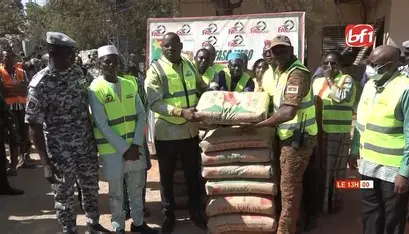
Established by the transitional authorities as a symbol of national reconstruction and regained sovereignty, the Faso Mêbo agency, created under the impetus of Captain Ibrahim Traoré, now faces many questions. Behind the official narrative that highlights patriotism, collective effort, and visible works in several cities across the country, some observers denounce an opaque system in the management of public resources and citizen contributions.
While government communications insist on transparency and rigor in project implementation, several sources and economic analysts instead point to significant financial irregularities that allegedly benefit those close to the ruling circle.
The showcase strategy
The achievements of Faso Mêbo are clearly visible. Street paving, canal rehabilitation, urban developments—these works project an image of rapid transformation of living environments in cities such as Ouagadougou, Bobo-Dioulasso, and Koudougou. By mobilizing youth, students, and the diaspora, the authorities have built a strong narrative around popular participation in national sovereignty.
However, according to some specialists, this visibility may also serve to divert attention from deeper issues.
“Labor-intensive works remain relatively low-cost compared to the amounts announced within the framework of the national effort,” explains a Burkinabe economist speaking on condition of anonymity. “The emphasis on visible infrastructure sometimes overshadows the essential question: the actual destination of the funds raised.”
Suspicions over resource management
Criticism focuses primarily on the control mechanisms. Although the agency emphasizes the traceability of its operations, several observers lament the absence of independent bodies capable of verifying the use of resources from the state budget and popular contributions.
Internal documents and alerts relayed by various sources indicate possible irregularities: contracts awarded without competition, costs deemed excessive for certain materials, and budget lines lacking transparency. According to these same sources, such practices benefit a narrow circle of civilian and military officials.
A climate that stifles criticism
A recurring question is the silence of oversight institutions and parts of the local media. Several observers attribute this to the current political context, marked by strong pressure on critical voices.
Journalists, activists, and even magistrates who have expressed reservations about certain government decisions have reported intimidation or reassignment to combat zones. Other human rights organizations also cite cases of disappearances or violations of freedoms, fostering a climate of fear that limits investigative initiatives.
Between patriotism and accountability demands
For some analysts, Faso Mêbo illustrates what they describe as “infrastructural populism”: concrete, visible achievements that strengthen popular support, but simultaneously raise questions about governance and transparency.
Citizen engagement in community projects is widely praised. However, several voices argue that this patriotic momentum should not come at the expense of accountability. For them, improving living conditions cannot replace the demands for transparency and sound management of public funds.