
Faure Gnassingbé’s China trip: can this visit finally deliver for Togo’s economy?
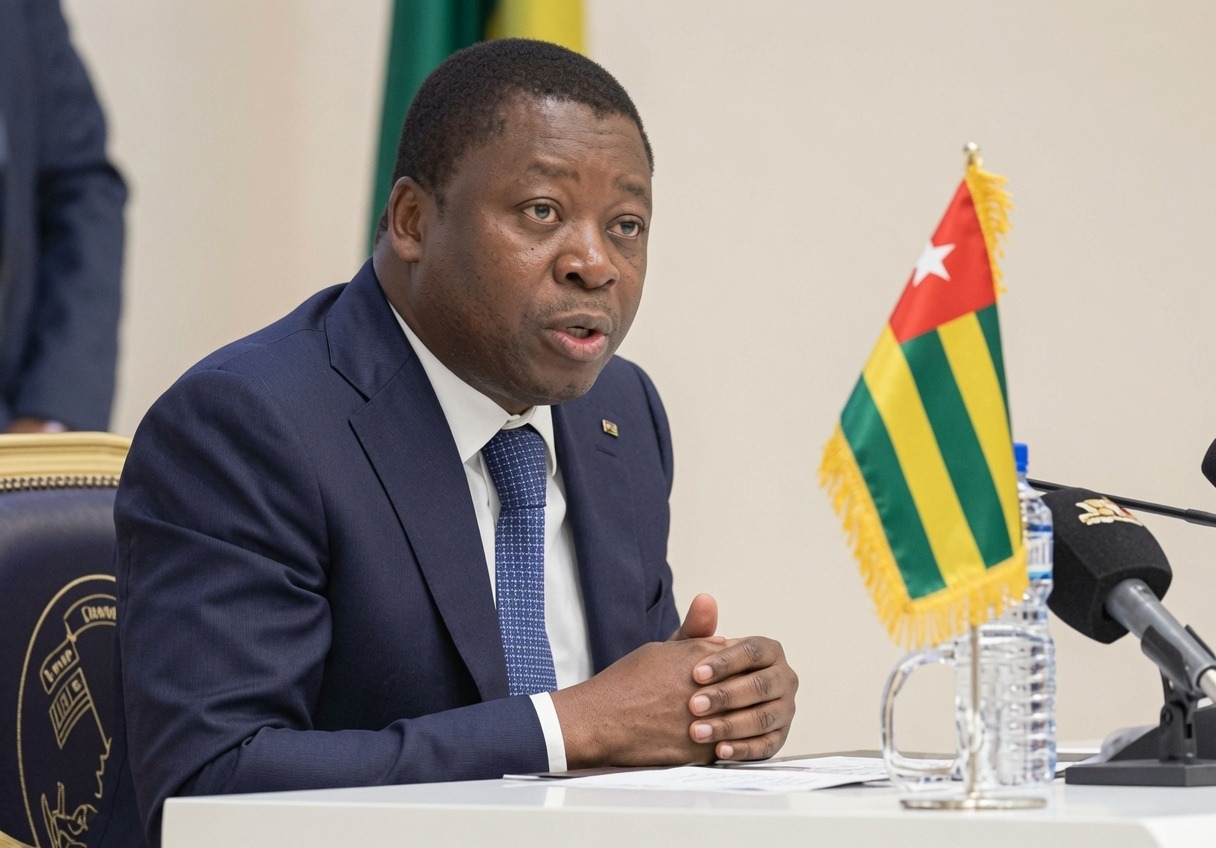
President Faure Gnassingbé’s upcoming official visit to China from October 9-16, 2026, represents more than just another diplomatic engagement—it could mark a decisive turning point in Togo’s economic trajectory. Beyond the ceremonial exchanges and photo opportunities, the visit carries enormous weight for the nation’s future. The question on every citizen’s mind remains: when will the promises of progress finally materialize into tangible benefits?
With the world’s second-largest economy as Togo’s strategic partner, this engagement isn’t just another foreign trip—it’s an opportunity to convert diplomatic goodwill into concrete development outcomes. The stakes couldn’t be higher for a nation seeking to accelerate job creation, industrial growth, and infrastructure modernization through foreign investment.
From diplomatic promises to economic realities
Official visits between Lomé and Beijing have followed a familiar pattern: warm receptions, flashy agreements, and ambitious declarations. But for Togolese families struggling with unemployment and limited economic opportunities, these diplomatic pageants offer little solace. The true measure of this visit’s success won’t be found in the grandeur of Chinese banquet halls, but in the impact felt back home in Lomé, Kara, and other towns across the country.
The potential is undeniable. China has been Togo’s largest bilateral creditor for years, with investments spanning ports, highways, and energy projects. However, economic partnerships must deliver more than just infrastructure—they must create wealth, build local industries, and empower Togolese workers through skill development and technology transfer.
Where investment meets opportunity
Several sectors stand ready to benefit from enhanced cooperation:
- Agriculture: Modernizing production chains to boost exports of key cash crops like coffee, cocoa, and cashews
- Energy: Accelerating renewable energy projects to reduce power shortages and attract industrial investors
- Industrialization: Supporting local manufacturers through technology transfers and access to Chinese markets
- Infrastructure: Expanding port capacity and road networks to position Togo as West Africa’s logistics hub
- Technology: Establishing vocational training programs to prepare Togo’s youth for 21st-century industries
The challenge now falls on Togolese authorities to ensure that these partnerships prioritize domestic economic participation over foreign contractor dominance. Real partnerships leave behind lasting capabilities—not just temporary construction sites.
Beyond diplomacy: the citizen’s bottom line
For decades, Togo’s relationship with China has focused on large-scale infrastructure projects. While these developments are visible and valuable, their economic impact depends entirely on how they’re integrated into the national economy. Will Chinese-built roads employ Togolese drivers and mechanics? Will new power plants hire local technicians? Will port expansions create opportunities for domestic logistics companies?
The harsh reality is that many foreign-funded projects operate in near-isolation from Togo’s broader economic fabric. To change this pattern, the agreements signed during this visit must include:
- Local content requirements: Mandating that a percentage of labor and materials come from Togolese sources
- Technology transfer clauses: Ensuring Chinese partners invest in training Togolese workers and managers
- Performance benchmarks: Setting clear timelines with measurable economic outcomes tied to funding releases
- Accountability measures: Establishing independent oversight bodies to track progress and prevent corruption
Measuring success in real terms
Togo’s political landscape adds another dimension to this economic equation. With Faure Gnassingbé leading the country through its new Fifth Republic system, the pressure mounts to demonstrate that governance decisions translate into improved living standards. After 20+ years in power, leadership transitions aren’t the only expectation—citizens demand visible progress.
The China visit arrives at a critical juncture. With national elections approaching and youth unemployment remaining stubbornly high, the government faces a credibility test. Every memorandum signed in Beijing must be evaluated through the lens of domestic priorities—not just international prestige. Will these agreements create jobs that lift families out of poverty? Will they improve access to reliable electricity for small businesses? Will they provide new pathways for young entrepreneurs?
The most important metric of success won’t be measured in the volume of agreements signed, but in the number of Togolese lives improved, the volume of local production increased, and the diversification of the national economy achieved through these partnerships.
What comes next after the handshakes?
When Faure Gnassingbé returns from Beijing, the hard work begins. Chinese investors will want assurances about Togo’s business environment. Togolese business leaders will demand clarity on contract opportunities. International partners will scrutinize the financial sustainability of new projects. And most importantly, citizens will judge this visit by its aftermath.
History shows that diplomatic visits alone rarely change economic realities. Lasting transformation requires persistent follow-through: rigorous project monitoring, transparent tender processes, and relentless focus on employment generation. The China trip presents an opportunity—but opportunity without execution remains just another unfulfilled promise.
For Togo’s future, the question isn’t whether these discussions will advance mutual interests—it’s whether they’ll finally produce the kind of breakthrough that transforms the daily lives of citizens who have waited too long for change.