
Japan’s decisive funding shift accelerates Cotonou’s traffic solution
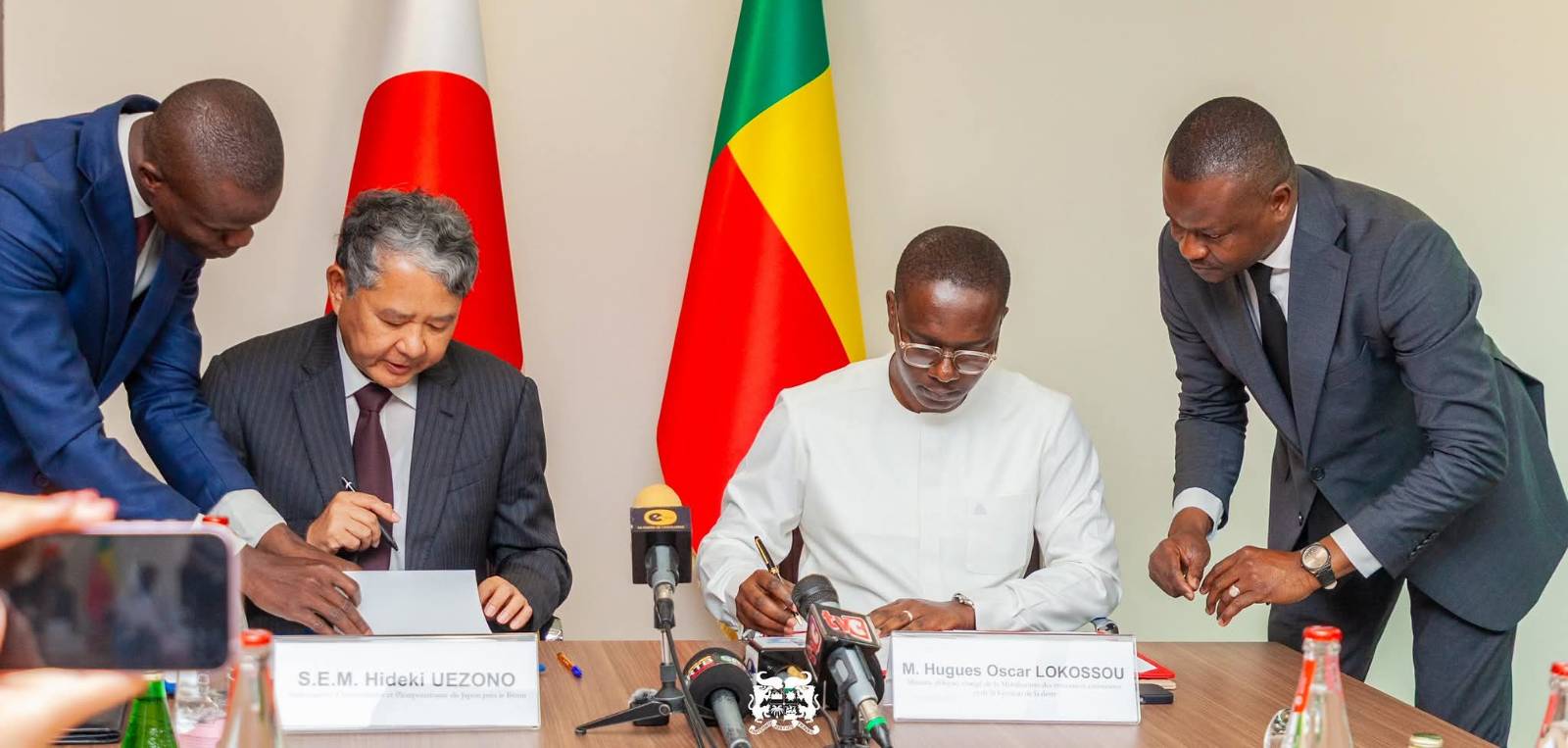
The construction of Benin’s critical Vêdoko interchange in Cotonou has reached a defining moment. On October 9, 2026, the government finalized a new agreement with Japan, unlocking an additional 10.8 billion FCFA in grant funding for phase two of the project. This infusion brings the total investment to 26.228 billion FCFA, marking a significant stride toward resolving the city’s persistent traffic congestion challenges.
From conception to accelerated action: a funded transformation
The Vêdoko interchange project began with groundbreaking ceremonies in October 2025, but this new funding marks a turning point.
This supplemental grant demonstrates Japan’s ongoing commitment to Benin’s infrastructure development, with the funds specifically earmarked for constructing an east-west overpass and essential supporting works. The collaboration between Japanese and Beninese firms highlights a broader ambition: not just building an interchange, but fostering knowledge exchange that could strengthen local technical capacities for years to come.
Transforming Cotonou’s most congested corridor
For motorists, motorcyclists, and commuters navigating Cotonou’s economic heart, the Vêdoko intersection represents a daily hurdle. The convergence of commercial traffic, informal transport, and private vehicles creates bottlenecks that ripple across the city’s mobility network.
Planned improvements include:
- A dedicated east-west overpass to separate long-distance traffic from local circulation
- Enhanced drainage and sanitation systems to prevent road damage
- Better integration with surrounding road networks
These measures aim to reduce the unpredictable delays that disrupt business operations, school schedules, and personal commutes alike.
What residents can realistically expect once construction completes
While the project promises long-term benefits, the most immediate impact will be felt during the 18-24 month construction phase. Temporary traffic diversions and lane restrictions are unavoidable for a project of this scale, requiring careful planning to minimize disruptions.
Once operational, the interchange is expected to deliver measurable improvements:
- Predictable commute times for the 50,000+ daily users of this corridor
- Reduced fuel consumption by eliminating stop-and-go congestion
- Lower noise and pollution levels in surrounding neighborhoods
- More reliable goods transport for Cotonou’s commercial districts
Beyond the asphalt: building a sustainable mobility future
This project represents more than concrete and steel. The 26.228 billion FCFA investment reflects a strategic partnership aimed at improving urban living conditions in Benin’s economic capital.
The government has emphasized that this infrastructure must integrate with broader transportation policies. Effective traffic management at adjacent intersections and ongoing maintenance will determine whether the interchange delivers on its full potential.
For now, Cotonou’s residents watch the construction progress with cautious optimism. The real test will come when the overpass opens to traffic and the promised efficiency gains become part of daily life.
What this means for Benin’s economic heartbeat
The Vêdoko corridor connects Cotonou’s port, industrial zones, and commercial centers. Any disruption to this network has outsized effects on the national economy.
By accelerating phase two funding, the project takes a critical step toward:
- Unlocking new development opportunities in northern Cotonou
- Reducing logistics costs for businesses relying on this axis
- Creating space for future urban growth without proportional increases in congestion
The journey from traffic chaos to smooth flow is just beginning—but the recent funding breakthrough suggests Benin is accelerating toward that destination.