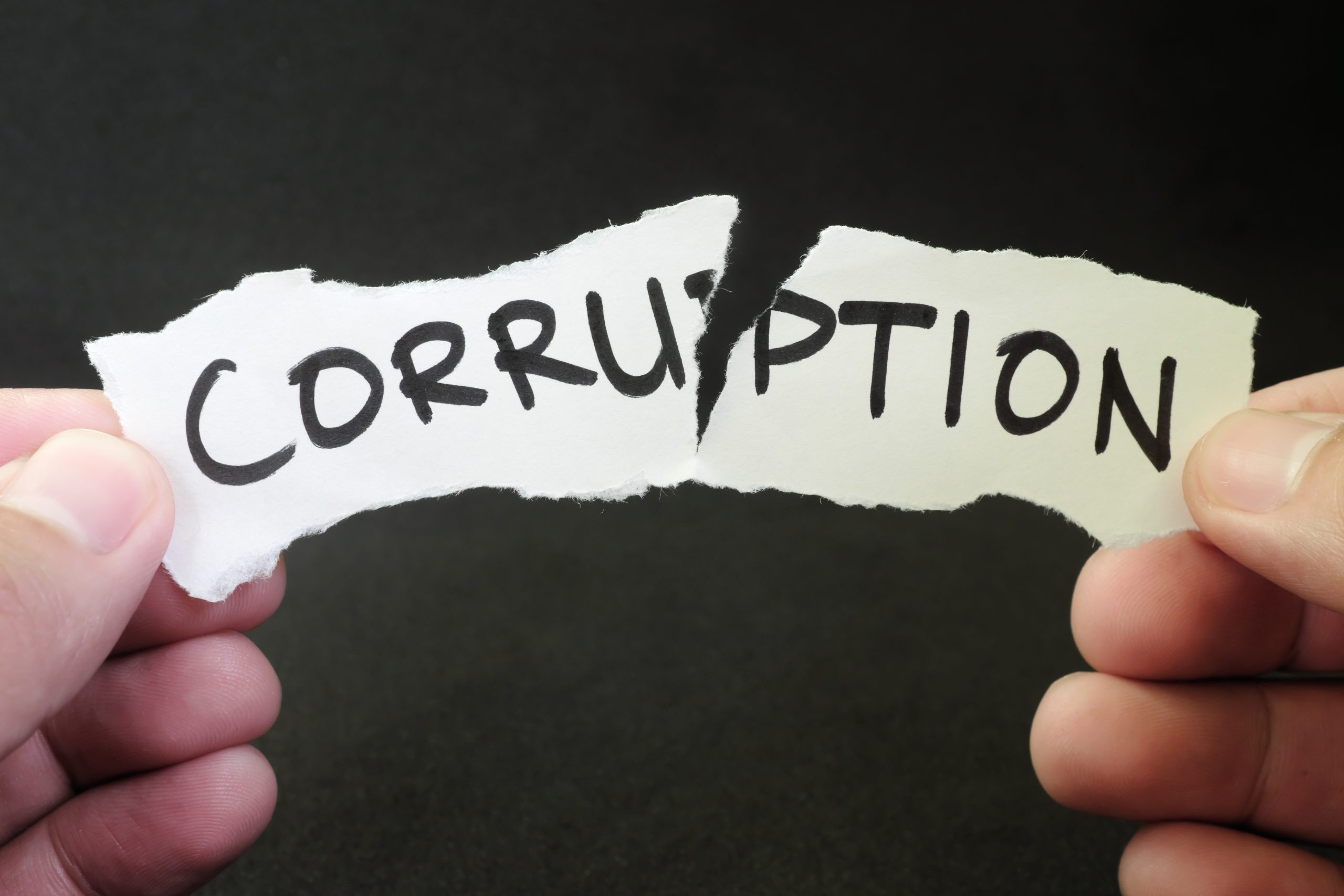

Mali‘s local languages are rich with euphemisms like “Bonya” (respect), “woro songo” (the price of cola), or “buru songo” (the price of bread). These terms often serve as a linguistic mask for the “small gifts” that fuel systemic corruption—a practice that is increasingly worrying yet widely tolerated by the public.
How has this behavior become so deeply embedded in the social fabric? According to definitions from Transparency International, corruption involves the misuse of delegated authority for personal advantage. In Mali, this manifests daily through bribes, undue favors, and administrative influence.
The daily reality of extortion
The story of Myriam (a pseudonym), a commercial director at a Bamako communication agency, highlights the severity of the issue. She explains that for every contract she secures, officials from the contracting organizations demand a percentage. “It’s a ‘take it or leave it’ situation,” she says, expressing her exhaustion at a system where extortion has become a social norm.
Corruption isn’t always about large contracts; it often appears in mundane interactions. Whether it is paying to speed up paperwork or giving a “gift” to pass an exam, these acts have become routine. For instance, an entrepreneur named Omar Keita recently felt forced to pay 10,000 F.CFA to a gas station attendant just to be served during a severe fuel crisis in Mali. This shortage was exacerbated by security threats against fuel trucks traveling from Senegal and Côte d’Ivoire.

The sociological and economic roots
Experts suggest that the lack of clear regulations and sanctions emboldens this behavior. Sibiri Diarra, a retired international official, notes that while organizations like the United Nations have strict limits on gift values, Mali lacks such public awareness and enforcement, leading to widespread abuse.
Sociologist Mohamed Abdellahi Elkhalil argues that the normalization of corruption is a sociological issue rather than a cultural one. He points to the desire to live beyond one’s means as a primary driver, warning that this trend threatens the country’s economic and democratic foundations.
Furthermore, Oumar Korkosse of the Recotrade network believes poverty and unemployment act as catalysts. When salaries are low or inconsistent, small bribes become a supplementary income for survival, dragging even the most well-intentioned individuals into the cycle.
A moral crisis and institutional distrust
The Association Malienne de Lutte contre la Corruption et la Délinquance Financière (AMLCDF) emphasizes that the battle is essentially a moral one. They advocate for building a sense of civic responsibility and ethics through education and religious discourse.
Data from a 2024 Afrobarometer survey confirms the endemic nature of the problem. Citizens perceive judges, police, and tax officials as the most corrupt. Ousmane Diarra, a motorcycle taxi driver, reports being stopped multiple times a day by police, forced to pay between 1,000 and 2,000 F.CFA regardless of whether his papers are in order.

International rankings and governance
Mali‘s reputation reflects these internal struggles. In the 2025 Transparency International Corruption Perceptions Index, the country ranked 136th out of 180 nations with a low score of 28/100. Similarly, the World Bank’s Worldwide Governance Indicators highlight a weak institutional capacity to control the phenomenon.

As Bamako-based lawyer Me. Soumaré Boubacar observes, when the public loses faith in institutional integrity, corruption evolves from a crime into a strategy for survival. “If everyone is doing it, why not me?” becomes the tragic mantra of a society in crisis.