
Burkina Faso explores homegrown financing for sexual and reproductive health
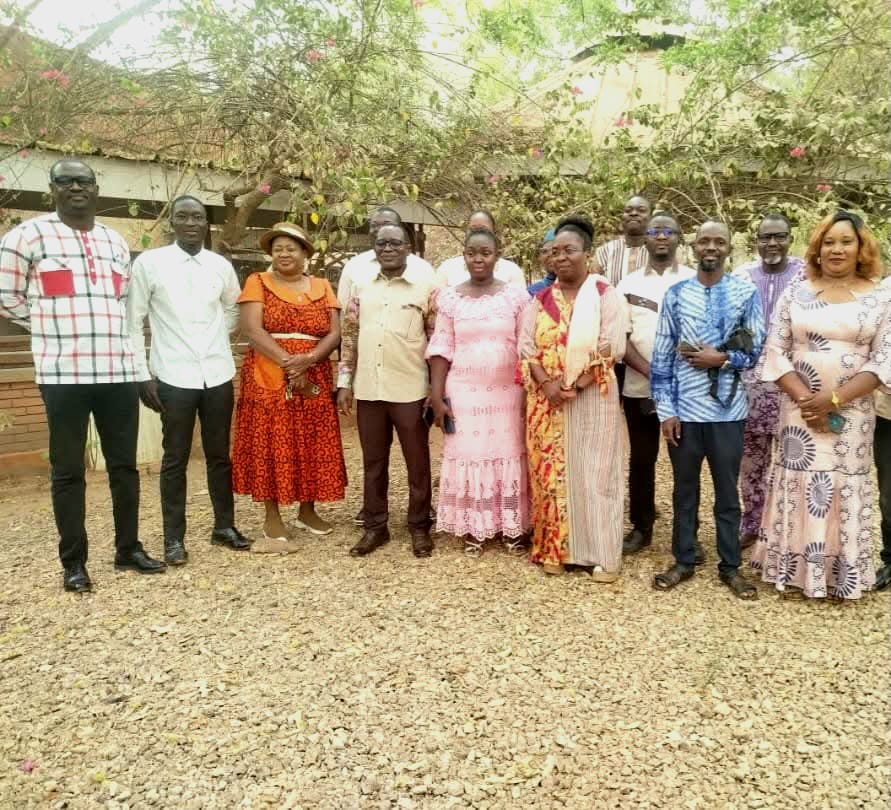
The Réseau des médias africains pour la promotion de la santé et de l’environnement (REMAPSEN) convened a pivotal discussion on march 24, 2026, centered on a pressing question: “as security challenges escalate and external funding dwindles, what local alternatives can safeguard sexual and reproductive health (srh) rights and family planning services in Burkina Faso?”
With the country facing both a security crisis and a sharp decline in donor contributions, Burkina Faso is now under pressure to sustain critical srh services. Recent ministry of health data reveals that 81% of funding in this sector had previously come from international partners—a figure that has plummeted in recent years. This shift has forced local stakeholders to explore innovative, self-reliant solutions to bridge the financial gap.
community-driven solutions take center stage
According to Désiré Thiombiano, director of AMS Synergie Burkina Faso, empowering communities is the cornerstone of sustainable srh financing. “We can no longer depend solely on external partners. It’s time for us to take ownership of our sexual health to prevent early pregnancies, child marriages, and maternal deaths,” he stressed. Thiombiano outlined a three-pronged approach:
- Community awareness: educating populations on the importance of self-contribution to resource mobilization efforts.
- Positive masculinity: engaging opinion and religious leaders to champion srh advocacy and communication.
- Institutionalized community collection: establishing transparent, local fund-collection systems through municipal authorities to ensure long-term financial stability.
government steps up with targeted investments
Dr. Clarisse Bougma, representing the director of the family health department, highlighted the Burkinabè government’s proactive stance. Between 2020 and 2025, the state allocated nearly 3.9 billion cfa francs to procure contraceptives—despite reduced external funding. She emphasized that “mobilizing local resources is a strategic priority to ensure the durability of interventions and accelerate progress toward international goals.”
The ministry is also doubling down on efforts in hard-to-reach areas, where access to srh services remains most critical. Bougma stressed that self-financing mechanisms are essential to maintaining momentum in these regions.
media’s role in driving local financing
Boureima Sanga, coordinator of REMAPSEN Burkina Faso, underscored the media’s vital role in this transition. “In today’s multi-crisis environment, journalists must be equipped with knowledge about local financing models to inform the public and advocate for health sovereignty,” he stated. The meeting was part of a broader initiative—supported by the Partenariat de Ouagadougou—to strengthen journalists’ capacities and promote grassroots, sustainable solutions.
REMAPSEN, founded in june 2020, has since organized regular national forums to foster dialogue and action on srh financing, positioning community-led approaches as a model for resilience.