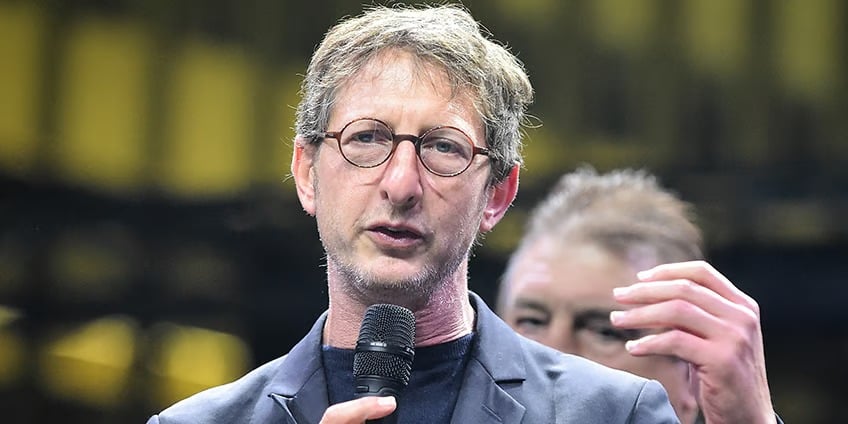

In a bold move that has ignited fresh debate over human rights and national sovereignty, the Mayor of Paris Centre, Ariel Weil, has publicly condemned Senegal’s stringent anti-homosexuality legislation. His critique, delivered through a high-profile opinion piece coinciding with the International Day Against Homophobia, has thrust the West African nation’s legal framework into the international spotlight.
Weil’s intervention comes as Senegal faces mounting criticism for its treatment of sexual minorities, particularly following the March 2026 amendment to its penal code. The revisions, which escalate penalties for same-sex relations from five to ten years imprisonment, now also criminalize advocacy or financial support for LGBTQ+ communities. The changes were swiftly signed into law by Senegal’s president, solidifying the country’s position as one of the strictest jurisdictions in Africa regarding LGBTQ+ rights.
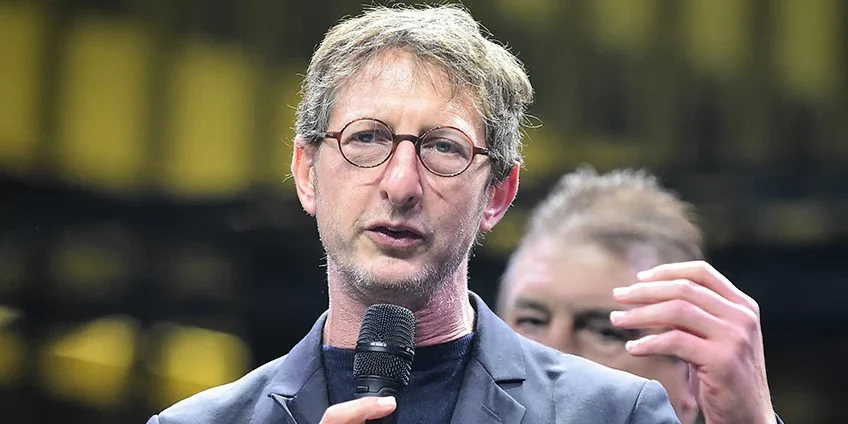
Describing the climate for LGBTQ+ individuals in Senegal as one of open persecution, Weil’s remarks underscore what he calls a systematic erosion of fundamental freedoms. His use of terms like “hunt” and “civilizational regression” reflects a sharp departure from diplomatic subtlety, positioning the issue as a moral imperative rather than a matter of cultural debate. The mayor’s call for international partners to take a stand has further intensified discussions on balancing state sovereignty with universal human rights obligations.
Legislative shifts spark regional concern
The 2026 legal overhaul in Senegal has not only intensified penalties but also expanded the scope of criminalization. Beyond same-sex acts, the law now penalizes activities perceived as promoting or funding LGBTQ+ communities, including public advocacy, educational materials, or even financial transactions deemed supportive. Legal experts warn that such broad language could ensnare activists, journalists, or even ordinary citizens inadvertently associated with LGBTQ+ causes.
Critics argue that these measures contradict Senegal’s commitments under international human rights treaties, including those ratified by the United Nations. Meanwhile, supporters of the law contend it reflects societal and religious values, emphasizing national autonomy in shaping moral and legal standards. The divide highlights the growing tension between progressive global norms and local traditions in the Sahel region.
Diplomatic fallout and calls for action
Weil’s outspoken stance has provoked mixed reactions, with some praising his courage in addressing a taboo subject while others accuse him of overstepping diplomatic boundaries. The debate extends beyond Senegal’s borders, drawing attention to similar legislative trends across the Sahel. Regional observers note that while public opinion in many West African nations remains conservative on LGBTQ+ issues, the intensification of legal crackdowns risks alienating international allies and stifling civil society.
As the international community grapples with how to respond, the spotlight remains firmly on Dakar. The question now is whether Senegal’s partners will leverage diplomatic pressure, aid conditions, or public statements to influence policy—or risk being seen as complicit in the repression of marginalized communities.