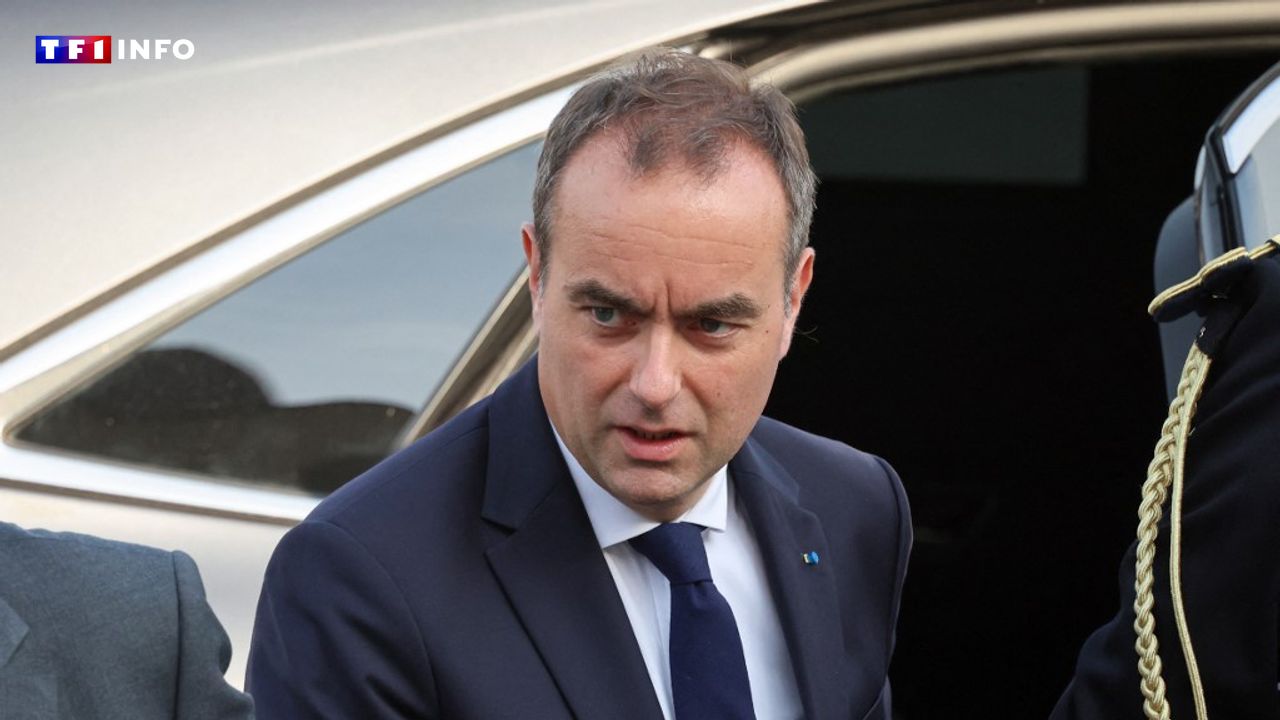

French Prime Minister Sébastien Lecornu embarks on his inaugural foreign mission since assuming office this week, with a dual itinerary: a solemn stop in Doha and an official visit to Rabat. His two-day program in Morocco, scheduled for July 15 and 16, marks a pivotal moment in Franco-Moroccan relations, as both nations seek to solidify ties amid shifting regional dynamics.
diplomatic renewal after years of strained relations
The visit follows a remarkable thaw in relations between Paris and Rabat, catalyzed by President Emmanuel Macron‘s landmark recognition of Morocco’s sovereignty over the disputed Western Sahara in mid-2024. This bold diplomatic gesture, which drew sharp criticism from Algiers, paved the way for a high-profile state visit by Macron to Morocco in October of the same year. After three years of diplomatic friction—fueled by espionage allegations and visa restrictions—the visit yielded a flurry of economic agreements and signaled a strategic realignment in France’s Maghreb policy.
a new chapter in french-moroccan relations
With Algeria’s ties to France remaining strained, Morocco has emerged as Paris’s primary partner in North Africa. Analysts note a decisive shift in France’s approach, prioritizing Rabat over efforts to maintain a delicate balance between the two regional rivals. “The relationship has reached an unprecedented level of cooperation, and now it’s time to harvest the benefits,” observed a Geneva-based observer familiar with Maghreb affairs, highlighting the deepening economic, security, and migratory collaborations between the two nations.
key agenda items and bilateral engagements
The Prime Minister’s visit will commence with a ceremonial welcome, followed by a solemn wreath-laying at the royal mausoleum, honoring the legacy of former monarchs Mohammed V and Hassan II. A high-stakes bilateral meeting with Moroccan counterpart Aziz Akhannouch will set the stage for a comprehensive ministerial-level dialogue, the first of its kind since 2019.
On the second day, delegations will convene at the Moroccan Ministry of Foreign Affairs to formalize agreements spanning economic cooperation, security collaboration, migration management, and defense partnerships. The visit will culminate in an official lunch hosted by King Mohammed VI, underscoring the significance of this diplomatic outreach.
critical discussions on security and sovereignty
Interior Minister Laurent Nuñez is expected to engage in talks with his Moroccan counterpart Abdelouafi Laftit regarding the potential extradition of Franco-Moroccan national Ismael Benahmed, accused of a 2019 homicide in Paris and recently detained in Morocco. Additionally, both nations will reaffirm their alignment on the Moroccan autonomy plan for Western Sahara, a proposal that gained international traction with the adoption of a new UN resolution in early 2025.
The decades-long territorial dispute, inherited from Spanish colonial rule, pits Rabat against the Polisario Front—a separatist movement backed by Algiers. France’s endorsement of Morocco’s autonomy initiative has played a decisive role in reshaping global perceptions of the conflict, shifting diplomatic momentum in favor of Rabat’s position.
a potential state visit on the horizon
The visit lays the groundwork for a historic return trip by King Mohammed VI to France, which could include the signing of a landmark treaty formalizing a “exceptional partnership” between the two nations. While no date has been confirmed, discussions were initiated during a late-May meeting between the foreign ministers of both countries. The last state visit by the Moroccan monarch to France took place in March 2000, marking a quarter-century since the last such diplomatic milestone.
For Lecornu, this mission represents more than a routine diplomatic engagement—it is a litmus test of France’s ability to navigate a complex regional landscape while reinforcing alliances in North Africa. His itinerary reflects a deliberate strategy to reassert France’s influence in a region where historical ties and geopolitical interests intersect.