
A landmark agreement has been forged in Paris, signaling a pivotal shift for Gabon’s extractive sector. The French mining giant Eramet, alongside its subsidiary Comilog, has committed to expanding local manganese processing capacity to 700,000 tonnes annually by 2031. The accord, signed at the Élysée Palace in the presence of Gabon’s transitional leader Brice Clotaire Oligui Nguema, reflects a high-stakes negotiation aimed at boosting value addition within the country’s borders.
From raw exports to industrial transformation
The deal comes after years of pressure from Gabonese authorities, who have repeatedly called for deeper processing of the nation’s mineral wealth. Despite being the world’s second-largest manganese producer, Gabon has historically shipped most of its output as unrefined ore, allowing foreign markets to capture the lion’s share of economic benefits. This new framework, though preliminary, represents a strategic pivot toward industrial sovereignty for Libreville.
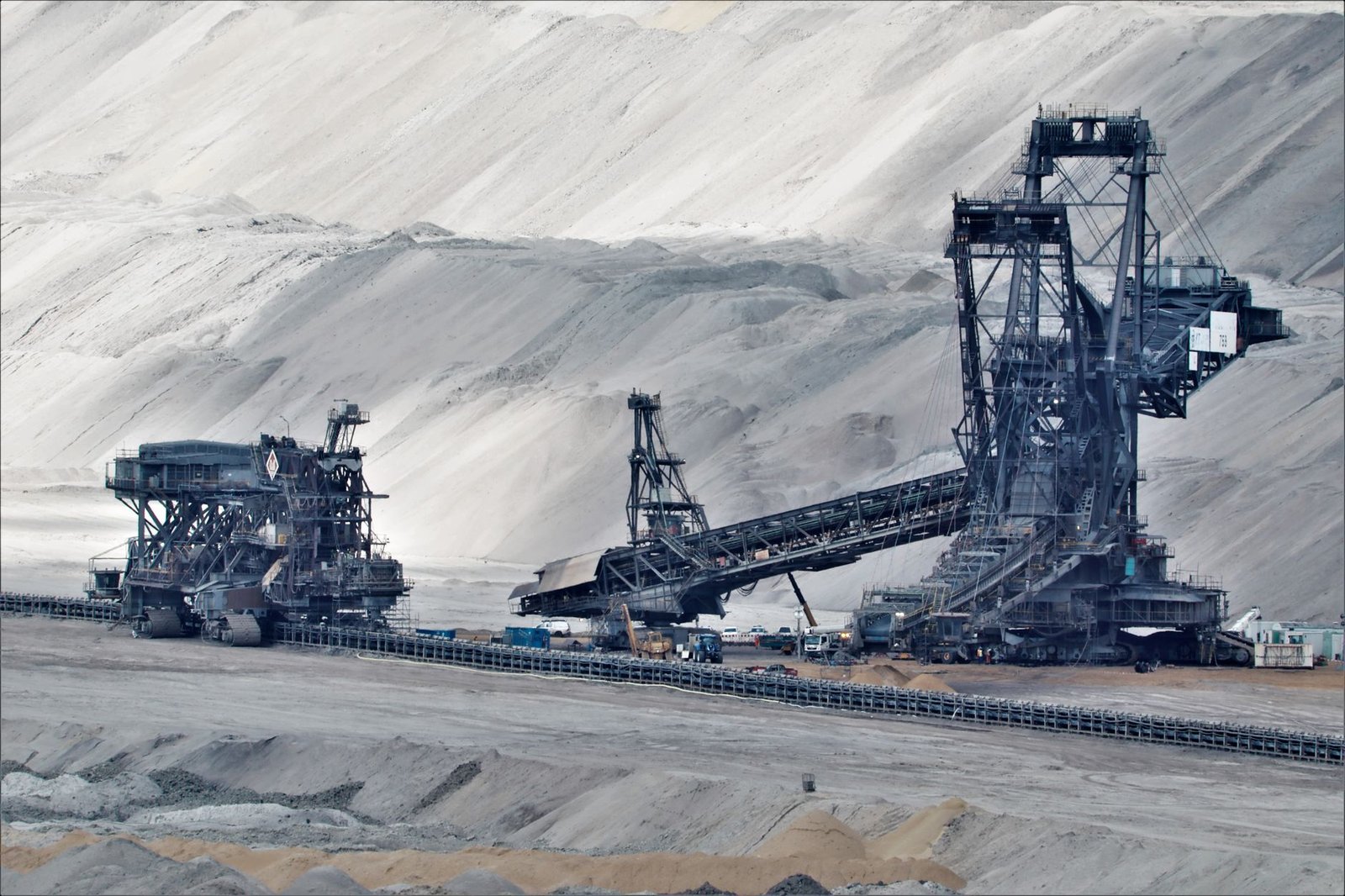
For Eramet, which has operated in Gabon for over six decades through its Moanda operations in the Haut-Ogooué province, the pledge aligns with long-standing demands from the government. The company’s financial performance remains heavily tied to its Gabonese ventures, making this commitment a critical step in securing its long-term foothold in the region. Achieving the 700,000-tonne target will require scaling up existing metallurgical units and developing new industrial infrastructure to handle the increased volume.
Mining sovereignty drives economic rebalancing
The Gabonese transitional administration has made local mineral value addition a cornerstone of its economic policy. Manganese, a key input for global steelmaking and increasingly vital for lithium-ion batteries, sits at the heart of this strategy. By processing the mineral domestically, Gabon aims to unlock higher fiscal revenues, create skilled employment, and position itself in higher-value market segments.
The 2031 deadline provides a clear timeline for Eramet’s phased investments, but it also sets a political benchmark: the government is determined to see tangible progress before the decade’s end. The next critical phase involves converting the agreement into firm financial commitments, feasibility studies, and concrete investment decisions. No total investment figure has been disclosed by the parties involved.
The signing ceremony, held in Paris, underscores the broader diplomatic momentum between Libreville and its French counterparts. Following the gradual normalization of relations post-coup, Oligui Nguema’s visit to France served as an opportunity to reinforce bilateral ties. The president’s presence at the event lent the agreement added political weight, elevating it beyond mere industrial negotiations.
Setting a precedent for local content strategies
Beyond the immediate impact on Eramet, this agreement could serve as a model for future negotiations with other mining operators in Gabon. Authorities may leverage this framework to revisit terms for other minerals, from iron ore to rare earths. The government’s ability to enforce the 2031 timeline will serve as a litmus test for its broader mineral sovereignty doctrine.
For Eramet, the deal offers potential advantages, including the stabilization of its operating permits and long-term visibility in Gabon. The company, which has faced turbulence in its Argentine and Indonesian assets, stands to benefit from a more predictable African presence. Local manganese processing could also enhance its environmental, social, and governance (ESG) credentials, a growing priority for European investors scrutinizing supply chains.
A critical challenge remains energy supply. Processing 700,000 tonnes of manganese demands substantial electricity, a resource Gabon’s infrastructure currently struggles to provide consistently. The industrial roadmap will need to align with a coherent energy strategy; otherwise, the 2031 target risks remaining aspirational rather than achievable.