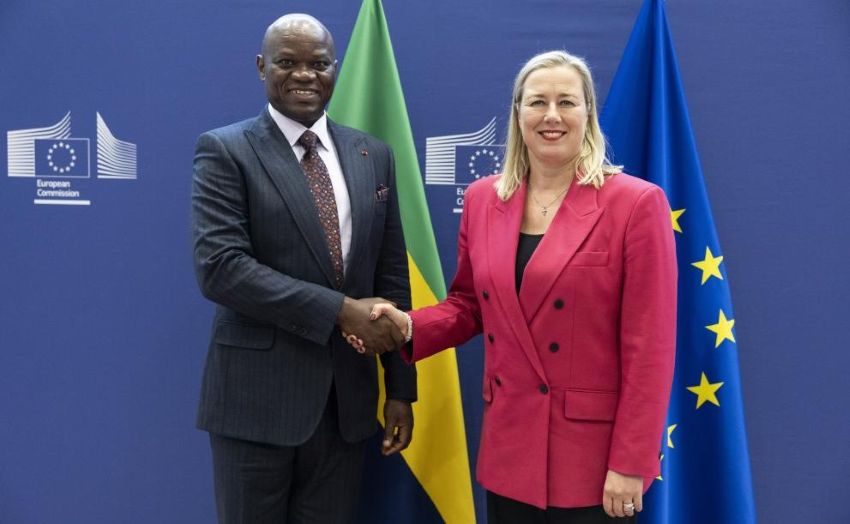

Gabon concludes long-standing fishing agreement with european union
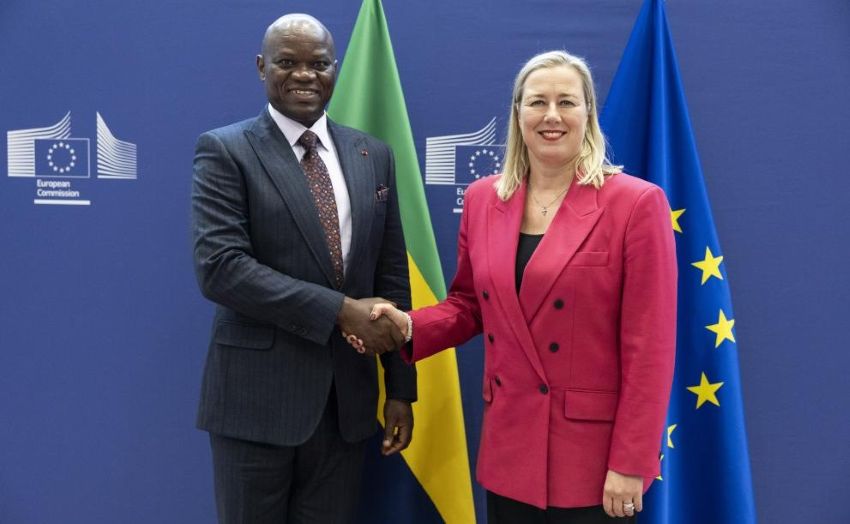
Libreville, July 1, 2026 – The termination of the fishing accord with the European Union signifies a pivotal moment in Gabon’s pursuit of economic sovereignty.
June 29, 2026, will be remembered as a defining date in Gabon’s economic narrative. Following a nineteen-year collaboration in the fisheries sector with the European Union, authorities in Libreville have opted against renewing the Partnership Agreement that governed the utilization of a portion of its marine resources.
This decision underscores a profound shift in the economic vision championed by Gabonese officials. Far beyond a mere contractual termination, it represents a strategic choice designed to reposition national wealth at the core of the nation’s developmental agenda.
By concluding a framework active since 2007, the government asserts its commitment to bolstering economic sovereignty and departing from a model historically reliant on the export of minimally processed raw materials. This direction aligns with the policy championed by President Brice Clotaire Oligui Nguema, who aims to establish local valorization of natural resources as a cornerstone of Gabon’s new economic trajectory.
Rethinking an imbalanced economic model
For nearly two decades, the fishing accord between Gabon and the European Union enabled European fleets to harvest specific marine resources within Gabonese waters. While initially presented as a mechanism for economic cooperation, subsequent evaluations consistently highlighted its inherent limitations.
Analyses conducted over the years revealed that direct economic benefits for Gabon remained modest, particularly when weighed against the true potential of its abundant fish stocks. A significant portion of the catches from Gabonese waters was destined for international markets with little to no processing occurring within the national territory.
This scenario impeded the development of a robust local industry, one capable of generating more employment opportunities, fostering specialized skills, and producing substantial added value. In an era where numerous resource-rich nations are striving for greater control over their natural resource production chains, maintaining the status quo increasingly conflicted with Gabon’s national aspirations.
Beyond purely economic considerations, this decision also mirrors a broader trend evident across several African nations. A growing number of governments are now actively seeking to rebalance their international economic relationships, aiming to secure a more equitable distribution of benefits derived from the exploitation of their strategic resources.
Transforming fisheries into an engine for economic diversification
The choice not to renew the agreement now paves the way for an innovative fisheries policy. The stated objective of the authorities is to strategically leverage fishing as a genuine catalyst for economic diversification.
This ambitious vision rests on several key pillars. Firstly, it involves establishing local processing units to ensure that seafood products are significantly valorized within the national territory before reaching markets. Secondly, it aims to bolster the nation’s food security by enhancing domestic market supply. Thirdly, the strategy seeks to foster the growth of a national industrial fabric capable of competing with foreign entities in vital strategic sectors.
This new direction is also poised to invigorate private investment across sectors such as conservation, maritime logistics, refrigerated transport, and agro-food processing. Ultimately, authorities anticipate the emergence of a thriving ‘blue economy’ that generates both employment and wealth.
The stakes are undeniably high. Boasting over 800 kilometers of coastline and recognized as home to some of the region’s most significant fisheries resources, Gabon possesses substantial advantages to construct a high-performing and sustainable sector.
Building economic sovereignty
The termination of this agreement with the European Union extends far beyond the realm of fishing. It symbolizes a fresh approach to economic development, rooted in the national mastery of strategic resources.
The immediate challenge lies in translating this political resolve into tangible outcomes. The success of this transition hinges on the nation’s ability to attract essential investments, modernize its infrastructure, cultivate a skilled workforce, and implement rigorous governance within the sector.
By opting to prioritize local processing over the raw export of its maritime wealth, Gabon sends a powerful message. It signals a nation determined to transform its natural resources into a driver of national prosperity, rather than merely a supply source for international markets.
Through this pivotal decision, Libreville affirms a conviction that has become central to contemporary economic strategies: the true wealth of a nation lies not merely in what it extracts, but in its capacity to sustainably transform, valorize, and control its own resources.



